Why Concrete Sinks in Columbus, Ohio: The Real Causes Behind Uneven Slabs
If you live in Columbus, Ohio and your driveway, sidewalk, or patio no longer looks level, you are not alone. Sinking concrete is a common problem across Central Ohio, and it can turn smooth surfaces into uneven, cracked, and potentially dangerous trip hazards.
Understanding why concrete sinks in Columbus helps you decide whether you need concrete leveling, drainage improvements, or a more extensive repair. When you know the real causes behind uneven slabs, it becomes easier to protect your home, your family, and your curb appeal.
What Sinking Concrete Looks Like Around Your Home
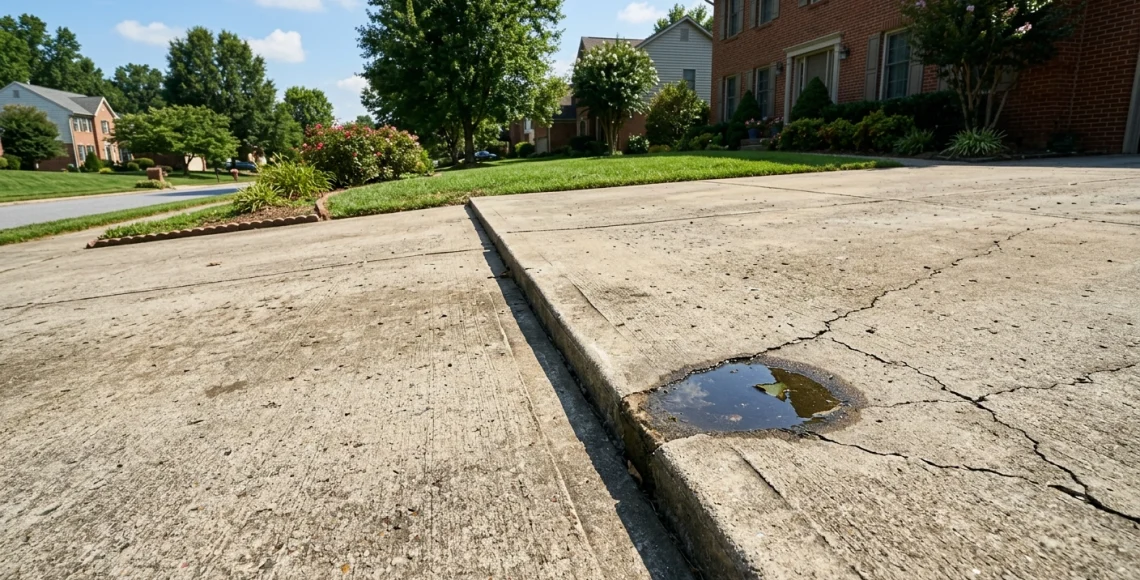
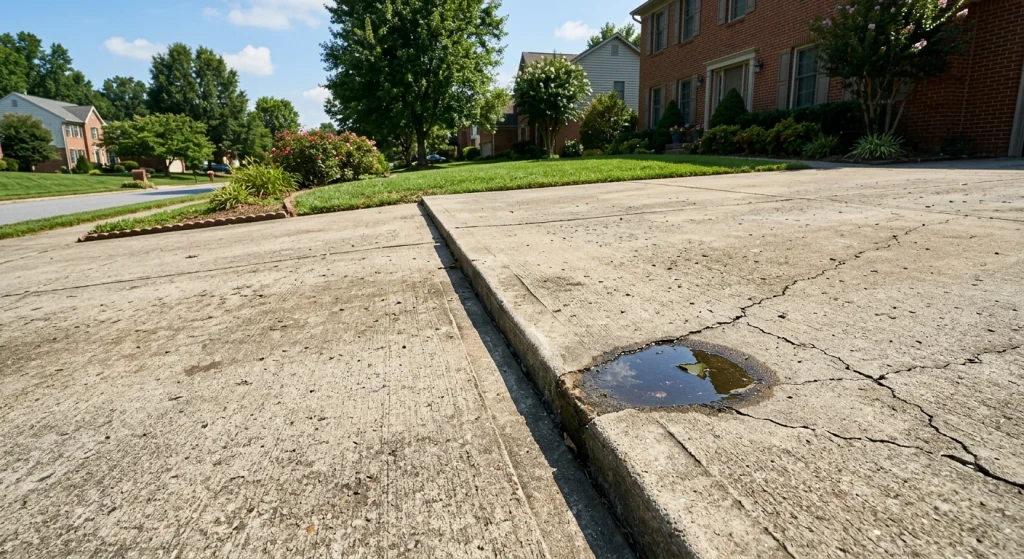
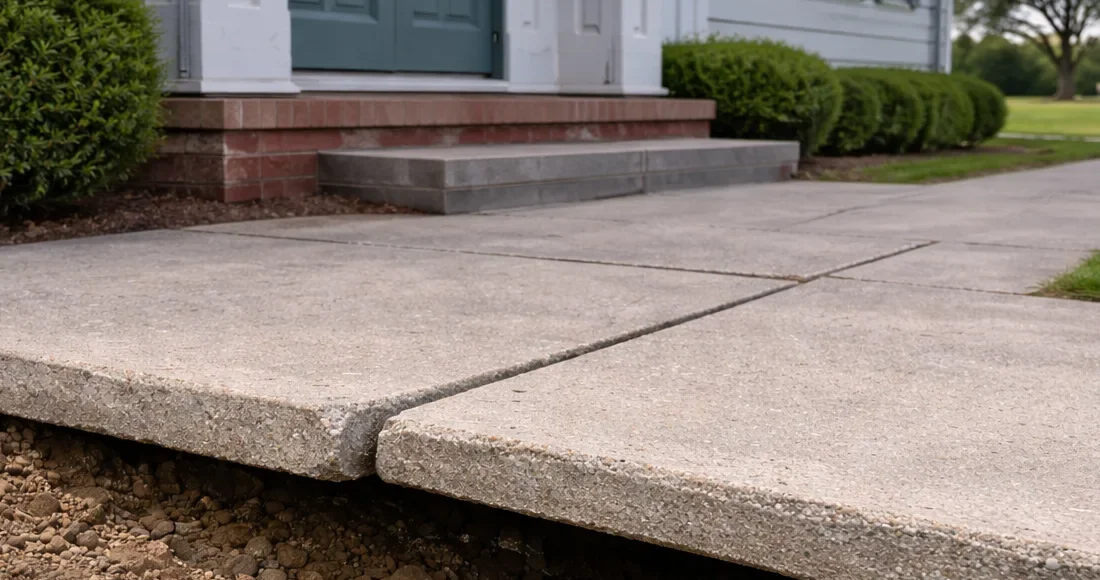
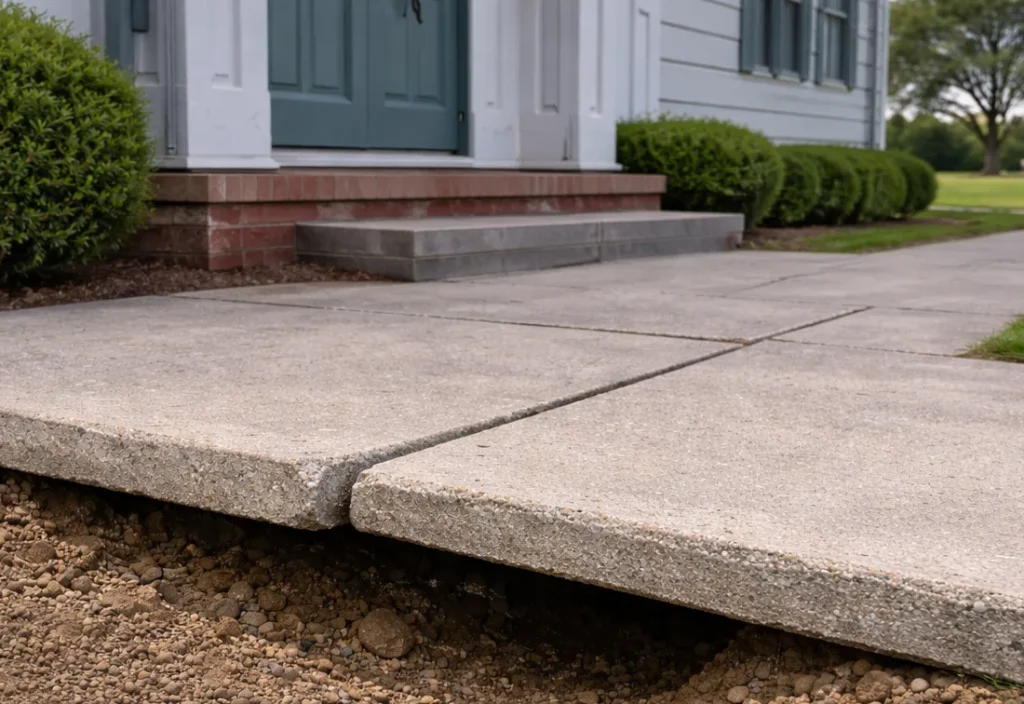
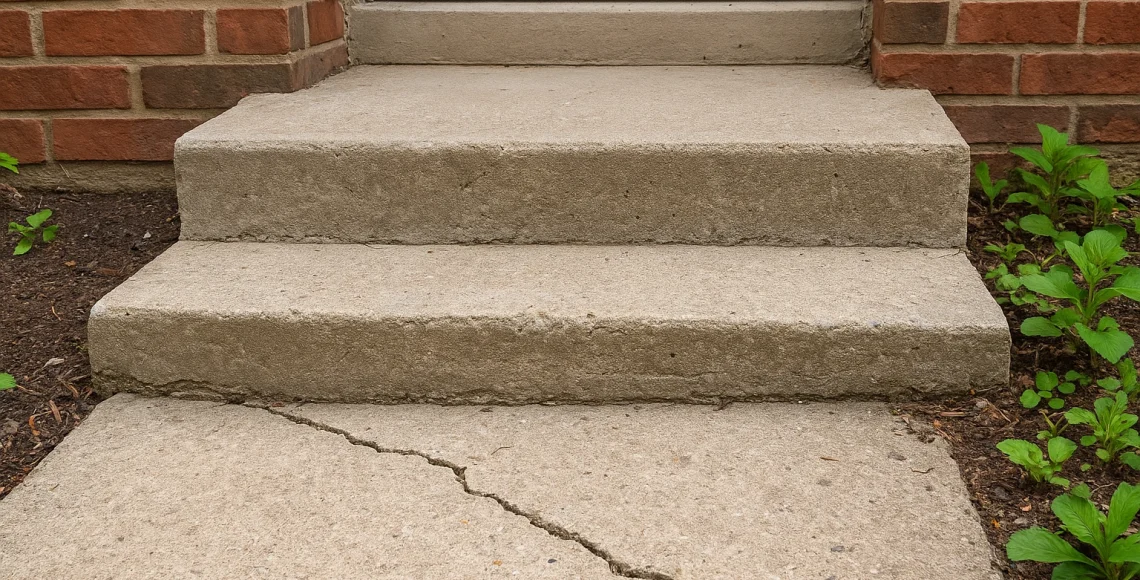
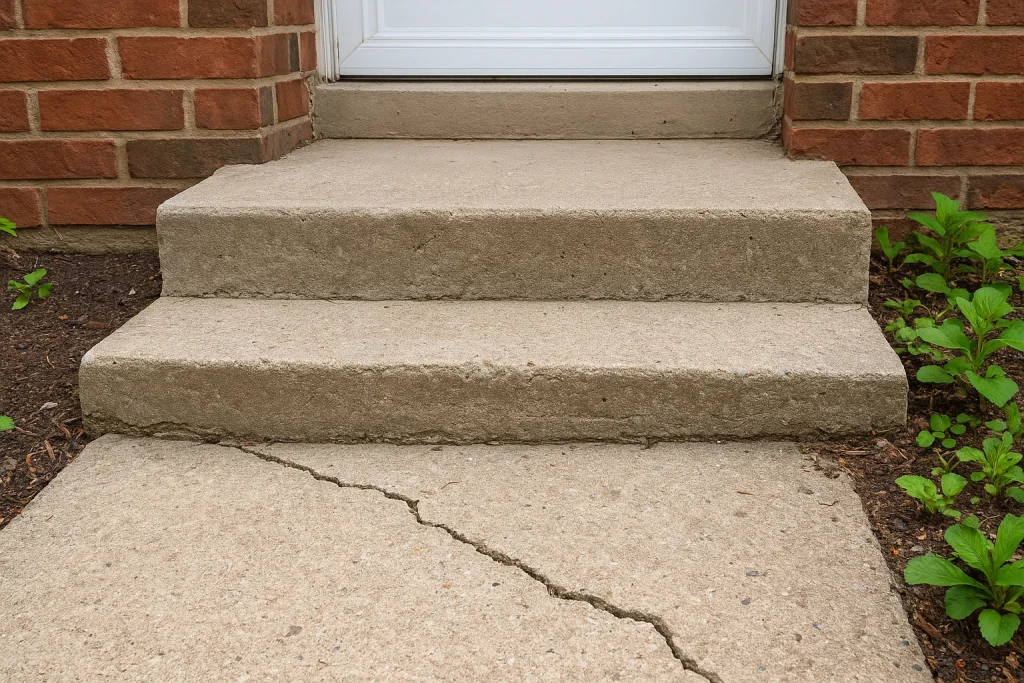
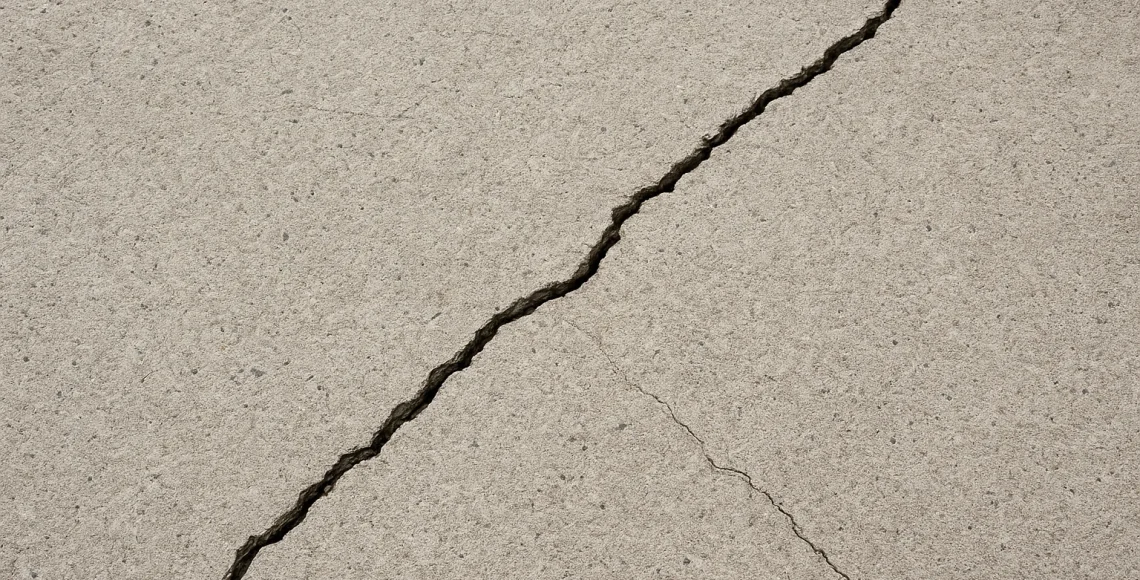
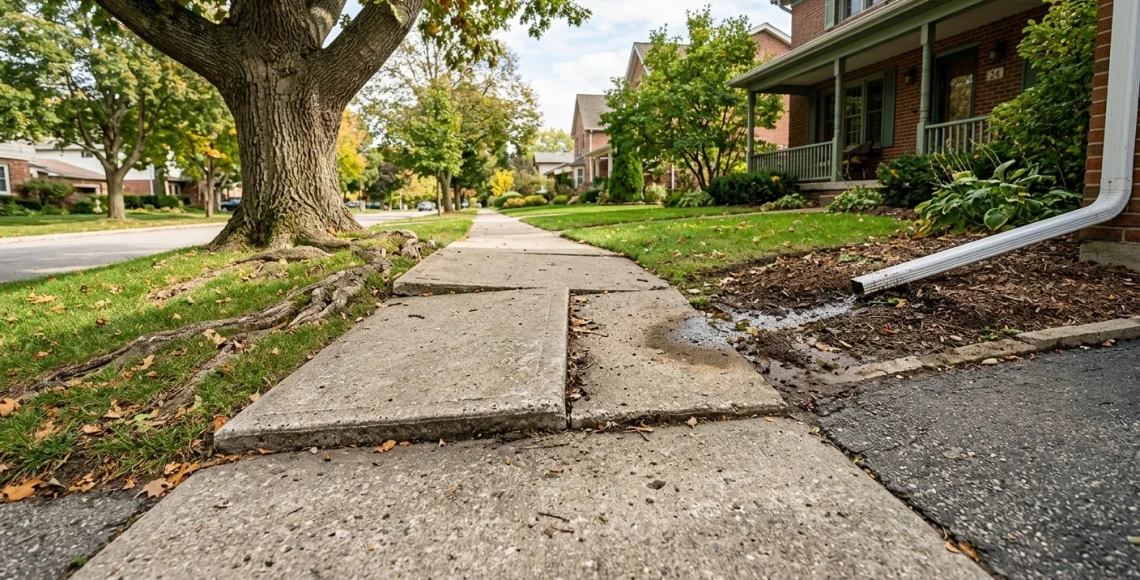
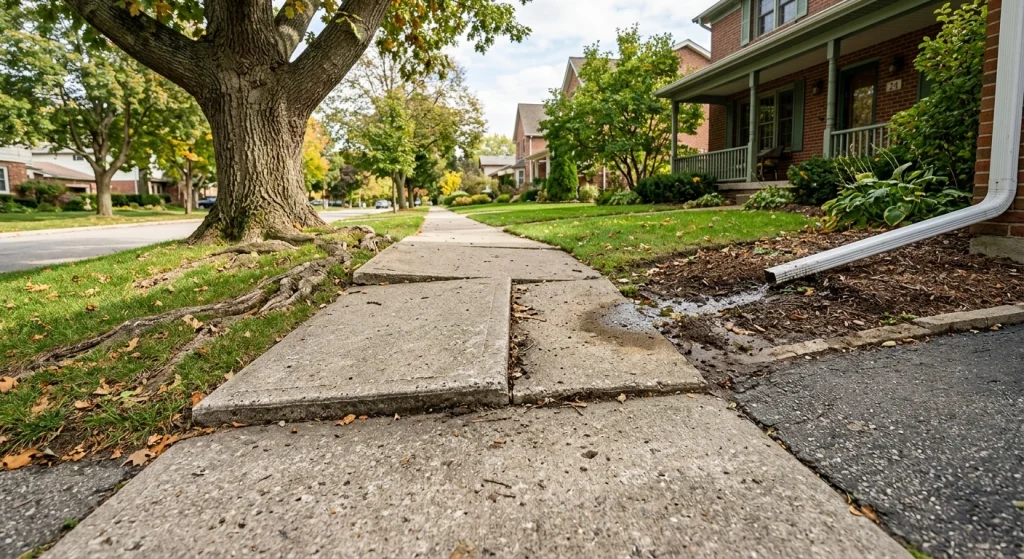
Sinking concrete usually shows up as low spots, tilted panels, and visible gaps between slabs and adjacent structures.
- A driveway that dips toward the garage or street.
- Sidewalk sections where one slab is lower than the next.
- Patio or pool deck slabs that tilt and collect water.
- A sunken area in front of the garage door or at entry steps.
These changes start small but often worsen over time. Left alone, sinking concrete can create trip hazards, direct water toward your foundation, and make everyday use of your property less comfortable.
How Columbus Weather Contributes to Sinking Concrete
Columbus weather is one of the biggest reasons homeowners see sinking concrete over the years. The region experiences wet springs, heavy summer rain, and winters with temperatures that bounce above and below freezing, creating repeated freeze–thaw cycles.
When water in the soil freezes, it expands and can lift or shift slabs. When it thaws, the soil contracts, often leaving small voids or weakened areas beneath the concrete. As this freeze–thaw cycle repeats, the slab may settle unevenly, leading to low spots and cracks.
In addition, saturated soil loses strength and can compress under the weight of concrete, especially clay-rich soils common in Ohio. As the soil dries, it shrinks and can leave gaps. Over time, this expansion–contraction cycle contributes directly to sinking concrete.
Soil Conditions Under Concrete in Central Ohio
Concrete is only as stable as the soil underneath it. In parts of Central Ohio, clay-heavy soils and fill material around homes play a major role in why slabs settle.
Several soil-related factors increase the risk of sinking concrete:
- Expansive clay soils: Clay holds water, expands when saturated, and shrinks when it dries. That movement can shift slabs and leave voids that cause settlement.
- Poorly compacted fill: When builders excavate for foundations, they often over-dig and then backfill around the house. If this fill is not properly compacted before the driveway or sidewalk is poured, the soil may slowly compress, allowing slabs to sink.
- Natural consolidation over time: Even reasonably compacted soil continues to consolidate over decades, especially under heavy loads. This long-term settlement can create low spots under concrete panels.
The result is uneven support: parts of a slab stay stable while other areas lose support and settle, causing the concrete to crack and sink.
How Water, Drainage, and Erosion Cause Sinking Concrete
Moisture is one of concrete’s worst enemies when it comes to settlement. Water that consistently flows or collects near slabs can erode the soil and create voids beneath the concrete.
Common drainage-related causes of sinking concrete in Columbus include:
- Downspouts dumping water near slabs: When gutters discharge directly next to a driveway, sidewalk, or patio, water can saturate or wash away supporting soil.
- Poor grading: Yards that slope toward concrete instead of away from it encourage pooling and erosion at slab edges.
- Standing water in low spots: Puddles in depressions keep soil wet and weak, making it more likely to compress under the weight of concrete.
- Leaking pipes or irrigation lines: Water leaks near or under slabs can quietly wash out the base material, creating voids that eventually allow the slab to sink.
When the soil washes away or stays saturated, it loses its ability to bear the load. Over time, this hidden erosion leads to sinking concrete and visible unevenness at the surface.
Construction Issues and Heavy Loads
In some cases, sinking concrete is tied to how the slab was built and how it has been used. Concrete is strong, but it still depends on proper installation and reasonable loading.
Key construction-related causes include:
- Poor soil compaction before pouring: If workers do not adequately compact the subgrade, the slab may rest on loose soil that compresses later, causing settlement.
- Thin or under‑designed slabs: Concrete that is too thin for heavy use, or placed over low-quality base material, can crack and flex as the soil moves, making settlement more likely.
- Utility trenches and over‑dig areas: Trenches for utilities or foundation footings are sometimes backfilled quickly without proper compaction, creating soft zones where slabs later sink.
- Heavy loads can accelerate these problems. Driveways that support large trucks, RVs, or multiple vehicles can impose more than 4,000 pounds per vehicle, stressing slabs and any weak soil beneath them.
Tree Roots and Soil Changes
Trees and large shrubs add beauty and shade, but their roots and water use can affect the soil beneath concrete. As roots grow, they can displace soil and lift some sections of a slab. Later, as roots die and decompose, they may leave voids that contribute to settlement.
In dry periods, mature trees can draw moisture out of surrounding clay soils, causing the soil to shrink and lose volume. This shrinkage can leave gaps beneath concrete panels, leading to sinking and cracking over time.
When Sinking Concrete Becomes More Than a Cosmetic Issue
At first, sinking concrete may look like a minor aesthetic problem: a slightly dipped slab or a hairline crack. Over time, though, these changes can cause real functional and safety issues.
Common consequences of sinking concrete include:
- Trip hazards on sidewalks and walkways.
- Water flowing toward the foundation or garage instead of away from the home.
- Standing water that accelerates erosion and encourages freeze–thaw damage.
- Reduced curb appeal and property value.
Because sinking concrete is often caused by underlying soil and drainage problems, ignoring it rarely makes the situation better. Most slabs continue to move until the root causes are addressed.
Fixing Sinking Concrete in Columbus: Why Leveling Is Often the Best Option
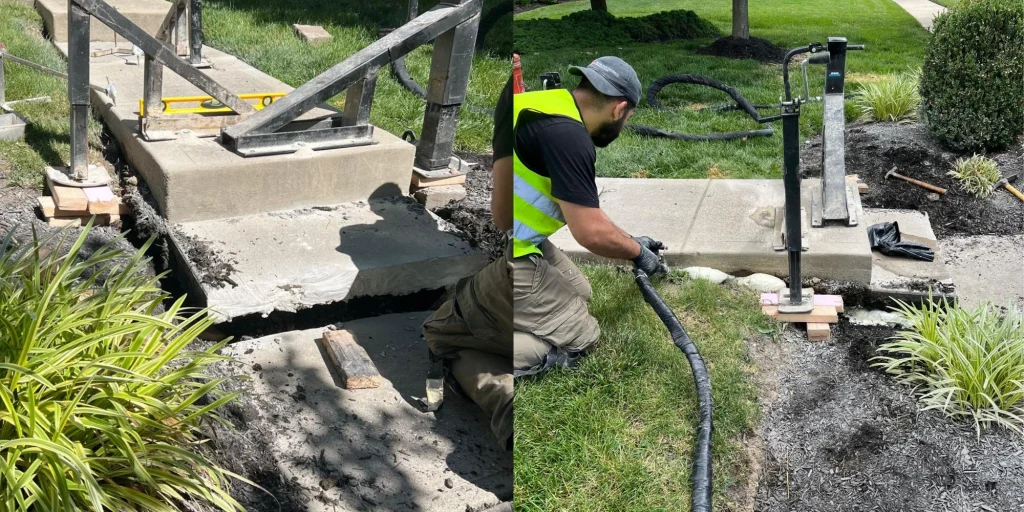
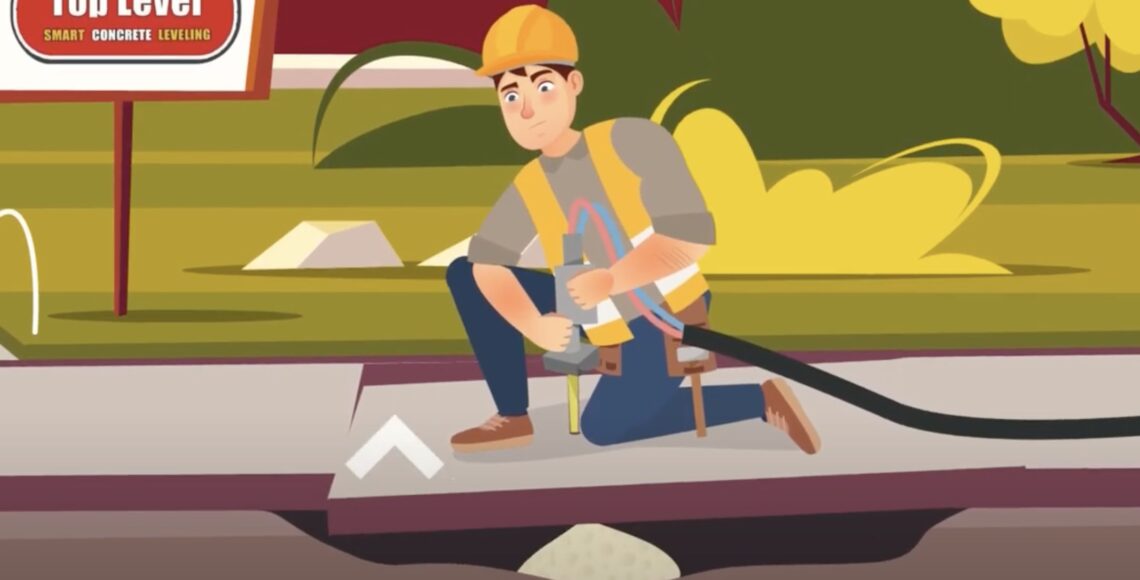
When homeowners in Columbus search for “sinking concrete” solutions, they usually find three main options: doing nothing, replacing the slab, or lifting it with concrete leveling methods such as polyurethane foam injection.
Full replacement involves demolition and repouring, which can be time‑consuming and more expensive, especially if the underlying soil and drainage issues are not resolved.
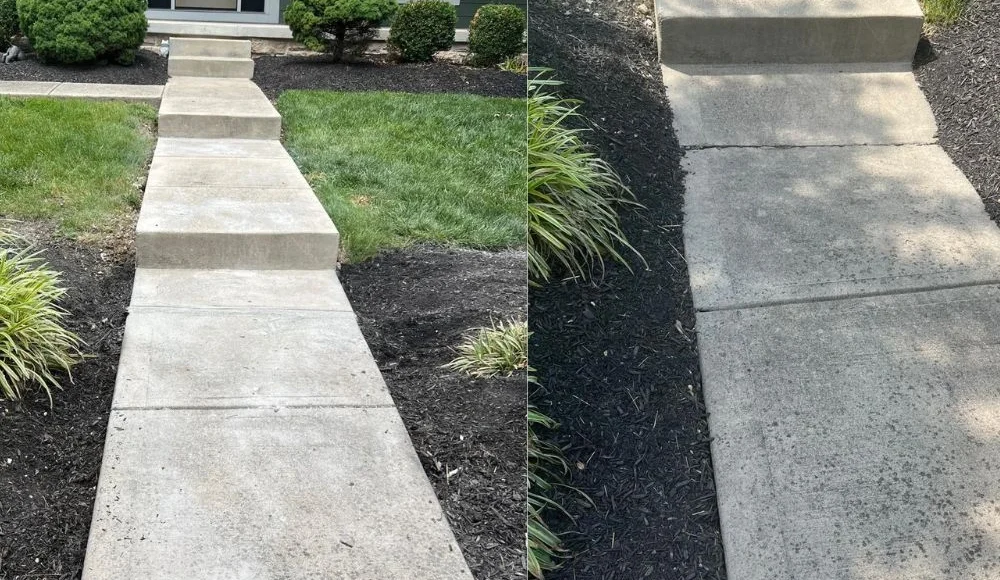
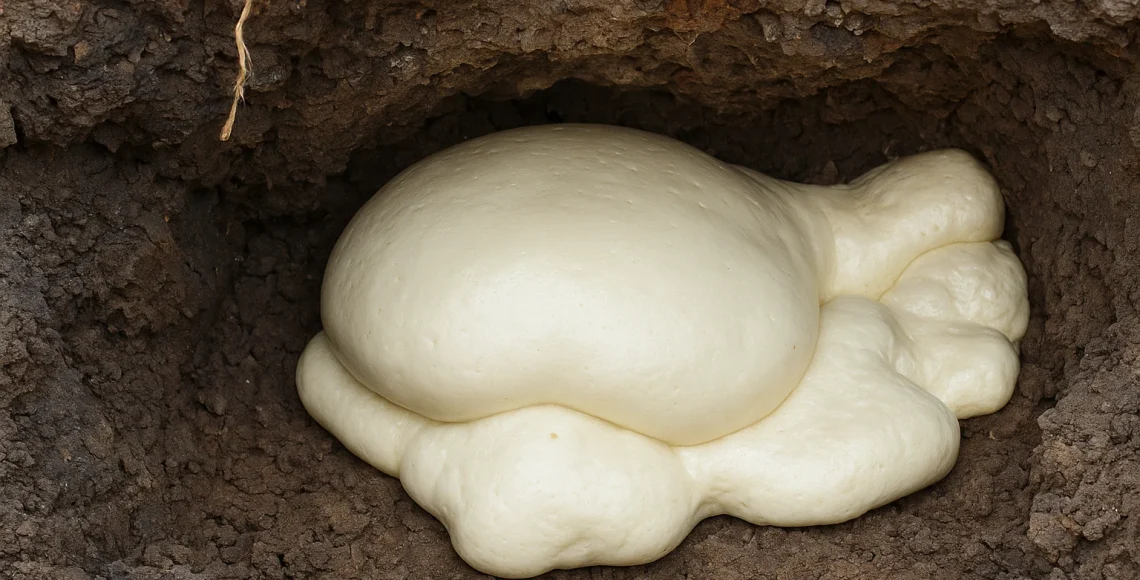
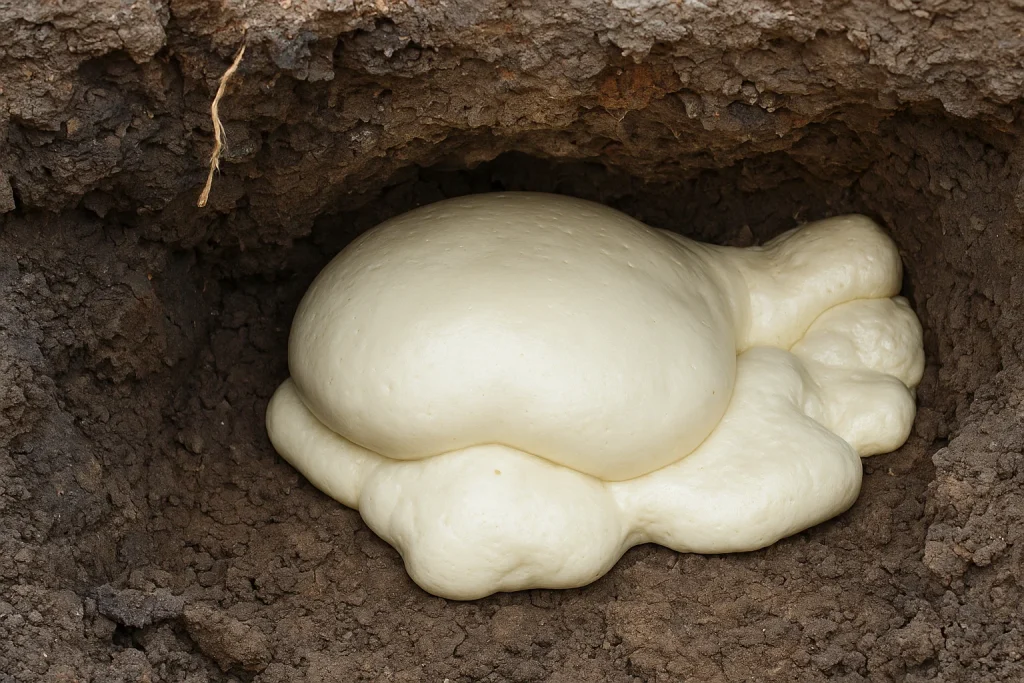
- Fill voids beneath the slab.
- Restore more even support.
- Lift the concrete back toward its original position.
- Reduce trip hazards and drainage problems with less disruption.
Modern leveling methods are typically faster and less invasive than traditional “mudjacking,” using lightweight materials that do not add significant weight to the soil. For many Columbus homeowners dealing with sinking concrete, leveling offers a practical way to correct uneven slabs and extend the life of the existing concrete.
Frequently Asked Questions About Sinking Concrete in Columbus
Why is my concrete sinking instead of staying level?
Concrete sinks when the soil beneath it can no longer support its weight. Common causes include expansive clay soils, poor initial compaction, water erosion, freeze–thaw cycles, and heavy loads on the slab.
Is sinking concrete just a cosmetic issue?
No. Sinking concrete can create trip hazards, direct water toward your foundation or garage, and lead to pooling that accelerates further damage and erosion.
Does Columbus weather really make sinking concrete worse?
Yes. Wet springs, heavy rain, and repeated freeze–thaw cycles in Columbus all contribute to soil movement, erosion, and voids under slabs, which are major drivers of sinking concrete.
Can poor drainage around my home cause sinking concrete?
Absolutely. Downspouts discharging near slabs, overflowing gutters, poor grading, and standing water all keep soil wet or wash it away, making concrete more likely to settle unevenly.
Is concrete leveling better than replacement?
In many cases, yes. Concrete leveling can fill voids and lift slabs with less cost, less disruption, and faster results than full replacement, especially when the concrete is structurally sound but uneven.
How can I prevent future sinking concrete?
Improving drainage, keeping gutters and downspouts in good condition, directing water away from slabs, and addressing soil issues around your home all help reduce the risk of future sinking concrete.
📞 Call Top Level Ohio: 614-305-1050
📍 Proudly serving Columbus and surrounding Central Ohio communities
💬 Free inspection, analysis, and estimate