The Economic Cost of a Fall Caused by a Raised Sidewalk: Medical and Legal Impacts
A raised sidewalk is more than a surface defect. It is a real safety issue that can lead to serious injury, major financial loss, and long-term legal exposure for homeowners, property managers, and municipalities.
What looks like a small height difference in concrete can become a costly accident. A single fall may result in medical treatment, lost income, settlement costs, and long-term care needs that far exceed the price of early repair.
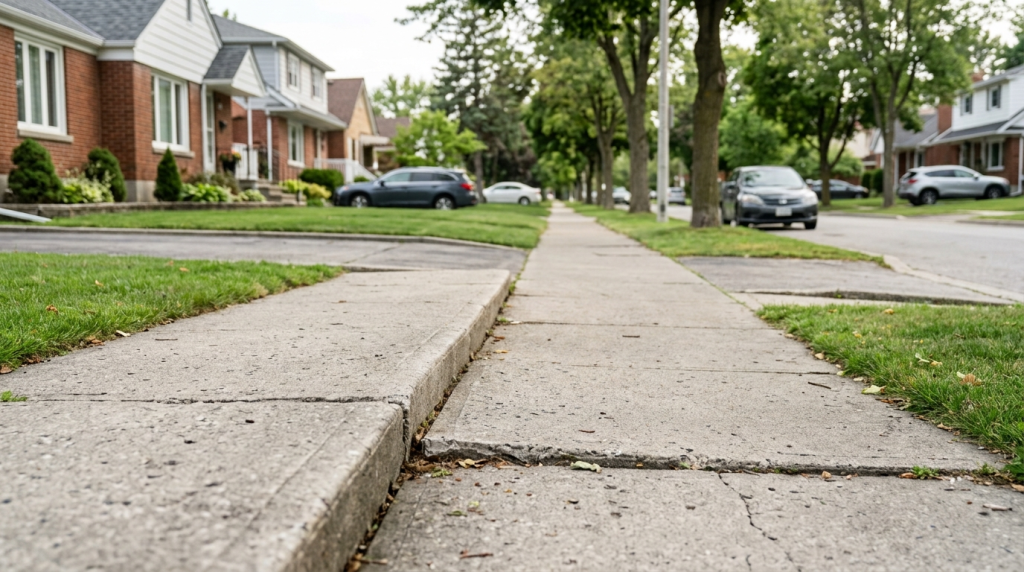
What Makes a Sidewalk Hazard Dangerous
Sidewalk hazards usually form when one slab rises above another, when joints become uneven, or when cracks create sudden changes in height. These defects may seem minor at first, but they create the kind of trip point that can send a person forward onto hard concrete.
These issues often fall under premises liability or municipal liability, depending on who owns and maintains the sidewalk. When a known hazard is left uncorrected, the risk is no longer just physical. It becomes financial and legal as well.
Medical Costs After a Fall
Medical expenses are often the largest immediate cost after a fall caused by a raised sidewalk. The injury can be minor, moderate, or severe, and each level brings a very different financial impact.
Treatment may involve emergency evaluation, imaging, follow-up visits, physical therapy, medication, surgery, rehabilitation, or long-term mobility support. For older adults, even a single fall can create lasting care needs and a loss of independence.
Typical Medical Cost Ranges
Medical costs vary widely depending on the type and severity of the injury:
- Minor soft-tissue injuries: $2,000 to $15,000
- Non-surgical fractures: $15,000 to $75,000
- Surgical fractures: $50,000 to $300,000
- Traumatic brain injuries: $100,000 to $2,000,000 or more
- Spinal cord injuries: $500,000 to $5,000,000 or more
These ranges show why a seemingly minor sidewalk defect should never be treated as a minor maintenance issue. A raised slab can lead to injuries with consequences that extend far beyond the initial medical visit.
Direct Costs of a Raised-Sidewalk Fall
A sidewalk fall can create several direct financial losses at the same time. Medical treatment may range from $2,000 for a less severe injury to more than $300,000 when surgery, hospitalization, or extensive care is required.
For older adults, long-term care can add $50,000 or more per year in serious cases. These expenses may include rehabilitation, home-care assistance, mobility equipment, transportation support, and continuing medical treatment.
Lost wages are another direct cost. Depending on the injury and the person’s occupation, time away from work can lead to weeks or months of reduced income.
Lost Work and Reduced Productivity
A fall does not only affect medical bills. It often affects a person’s ability to work, move, and live normally.
Approximately 19% of injured individuals miss more than two weeks of work after a fall. Serious construction-related fall injuries average 14 lost workdays. That kind of downtime can create immediate income loss and affect long-term productivity.
This is one of the hidden costs of a raised sidewalk. The injury may happen in seconds, but the financial impact can continue for weeks or months.
Indirect Costs That Add Up
Some of the most expensive consequences are not the most obvious ones. A fall can create indirect costs such as caregiver support, reduced mobility, long-term disability, transportation needs, and changes to daily life.
Indirect costs can be up to four times higher than direct medical expenses. That means the total cost of a fall is often much larger than the first hospital bill.
For families, this can mean lost time, added stress, and ongoing care obligations. For older adults, it can mean a permanent change in independence and quality of life.
Legal Exposure and Settlement Costs
Once a fall is tied to a raised sidewalk, legal costs can follow quickly. The responsible party may be a homeowner, business owner, property manager, or municipality, depending on ownership and maintenance responsibilities.
Premises Liability and Municipal Responsibility
Responsibility for an unsafe sidewalk is not always limited to the adjacent property owner. Some municipalities assign routine sidewalk maintenance duties to nearby owners. However, this does not always remove municipal exposure when a public walkway remains unsafe.
Public sidewalks may also create accessibility concerns when raised slabs, uneven joints, or damaged surfaces interfere with pedestrian access. Municipalities and property owners should treat these conditions as safety and maintenance priorities, particularly in high-traffic areas.
Evidence Can Increase Claim Value
The strength of the evidence can significantly affect the outcome of a sidewalk injury claim. Medical records help document the extent and cost of the injury. Photos, maintenance records, witness statements, and surveillance footage can help show how long the hazard existed and whether it should have been repaired.
Clear video evidence can increase settlement values by an estimated 40% to 60%. The more clearly the condition of the sidewalk, the incident, and the resulting injury are documented, the greater the potential legal exposure may be.
Municipal Liability Caps Do Not Eliminate Risk
Some cities and public entities have statutory limits that may cap certain damage awards. However, liability caps do not eliminate the financial consequences of a serious sidewalk injury.
Even when a payout is limited, legal defense costs, administrative time, insurance exposure, and the cost of correcting the hazard can remain substantial. Severe injuries can still result in significant settlements and long-term financial consequences.
Settlement Factors and Legal Cost Ranges
Several factors can affect settlement value in sidewalk fall claims:
- Documented medical bills and treatment records
- Proof that the hazard was known or should have been repaired
- Clear photo or video evidence
- The severity and permanence of the injury
- The length of recovery and lost work time
- The duration and complexity of litigation
- Applicable municipal liability limits
Typical legal costs can include:
- Settlement payouts: $25,000 to $1,000,000 or more
- Attorney fees: 33% to 40% contingency is common in personal-injury cases
- Municipal defense costs: These can exceed the settlement itself because of litigation time, administrative work, and legal complexity
The result is simple: once negligence is established, the legal cost of a fall can become far greater than the cost of fixing the sidewalk early.
Municipal and Community Impact
The cost of a sidewalk fall is not limited to one person or one claim. It also creates a broader burden for cities, communities, insurers, and healthcare systems.
Nonfatal falls among older adults in the United States generated an estimated $80 billion in healthcare spending in 2020. Those costs include emergency care, hospitalization, rehabilitation, follow-up treatment, and longer-term support.
Municipalities can also face substantial infrastructure and compliance costs when sidewalks are not maintained properly. Sidewalk-accessibility issues, legal claims, and compliance settlements can affect public budgets, insurance exposure, and long-term infrastructure planning.
This means a sidewalk defect can affect far more than one pedestrian. A small concrete problem can become a much larger public cost.
Why Prevention Matters More Than Reaction
The strongest message is simple: preventing sidewalk defects costs far less than dealing with the consequences after someone falls.
That is why early inspection and repair matter. Property owners and municipalities should look for:
- Raised slabs
- Uneven joints
- Cracks that create trip hazards
- Sidewalk sections that have shifted or settled
- Signs of water-related movement beneath the concrete
- Areas where uneven pavement may affect pedestrian access
Professional concrete leveling is often an effective way to correct these problems before they cause injury. It helps restore a smoother walking surface, reduce trip risk, and avoid the much higher cost of medical treatment and legal claims later.
Frequently Asked Questions
Is a sidewalk trip hazard really serious?
Yes. Even a small height difference can cause a hard fall and lead to fractures, head injuries, reduced mobility, or long-term care needs.
Who is responsible for a raised sidewalk?
Responsibility depends on the property, local rules, and maintenance obligations. It may fall on a homeowner, business owner, property manager, or municipality.
Are the medical costs really that high?
They can be. Costs may range from a few thousand dollars for soft-tissue injuries to hundreds of thousands or even millions of dollars for severe brain or spinal injuries.
What factors affect the value of a sidewalk injury claim?
Medical documentation, injury severity, recovery time, proof of negligence, and the quality of photo or video evidence can all affect claim value. Clear evidence can make it easier to establish the condition of the sidewalk and the resulting damages.
Can a city still face liability if maintenance is assigned to property owners?
Yes. Local rules vary, but assigning maintenance duties to adjacent property owners does not necessarily remove all municipal responsibility for unsafe public walkways.
How much work time can be lost after a serious fall?
Some injured people miss more than two weeks of work. Serious fall injuries can result in 14 lost workdays or more, depending on the injury and the person’s occupation.
Is it cheaper to fix the sidewalk early?
In most cases, yes. Early repair is generally much less expensive than paying for injuries, lost work time, long-term care, settlements, attorney fees, and legal claims.
Conclusion
A raised sidewalk is not a minor inconvenience. It can lead to injuries, lost work time, long-term care, settlement costs, and major liability exposure.
The real cost of waiting is usually much higher than the cost of repair. Fixing the sidewalk early protects people, reduces risk, and prevents a small concrete problem from becoming a major financial one.
📞 Call Top Level Ohio: 614-305-1050
📍 Proudly serving Columbus and surrounding Central Ohio communities
💬 Free inspection, analysis, and estimate