Articles by: hammza

Why Homeowners Delay Concrete Repairs (And How It Costs Them 3X More)

Why Homeowners Delay Concrete Repairs (And How It Costs Them 3X More)

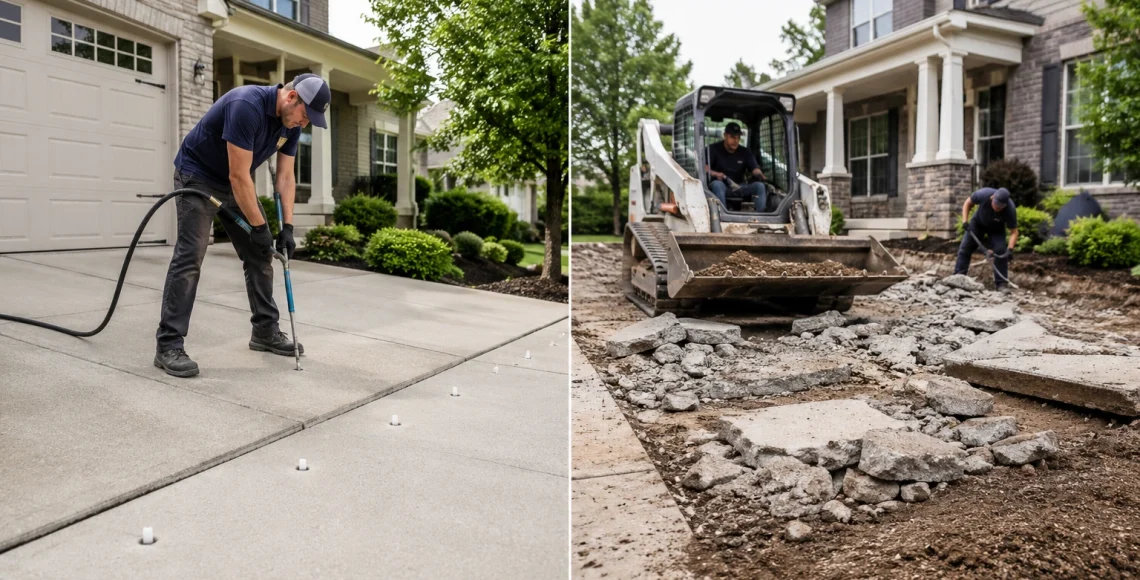
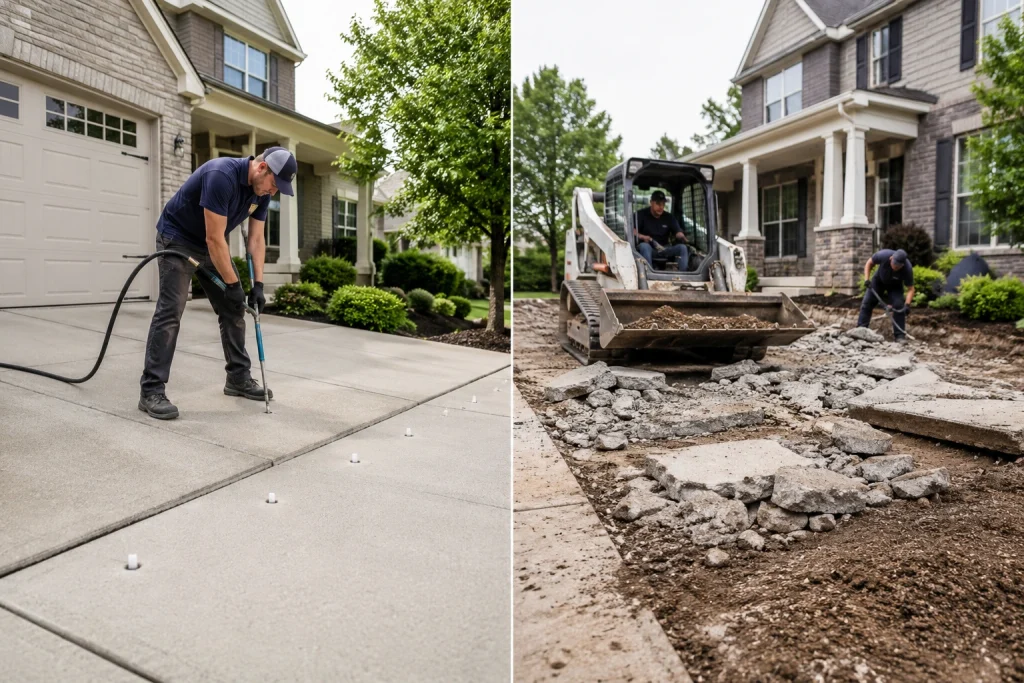
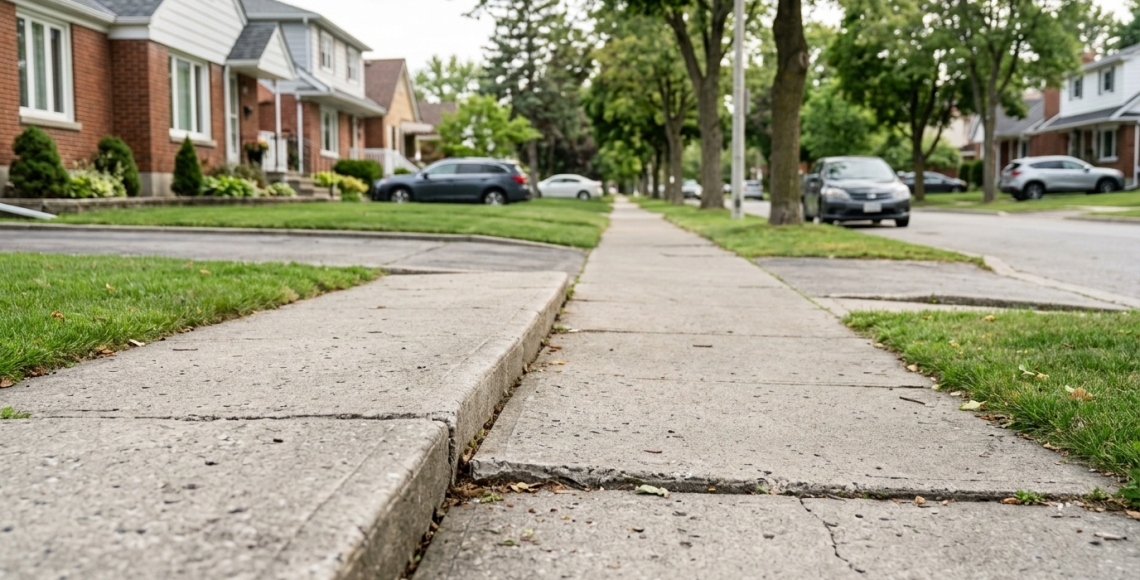
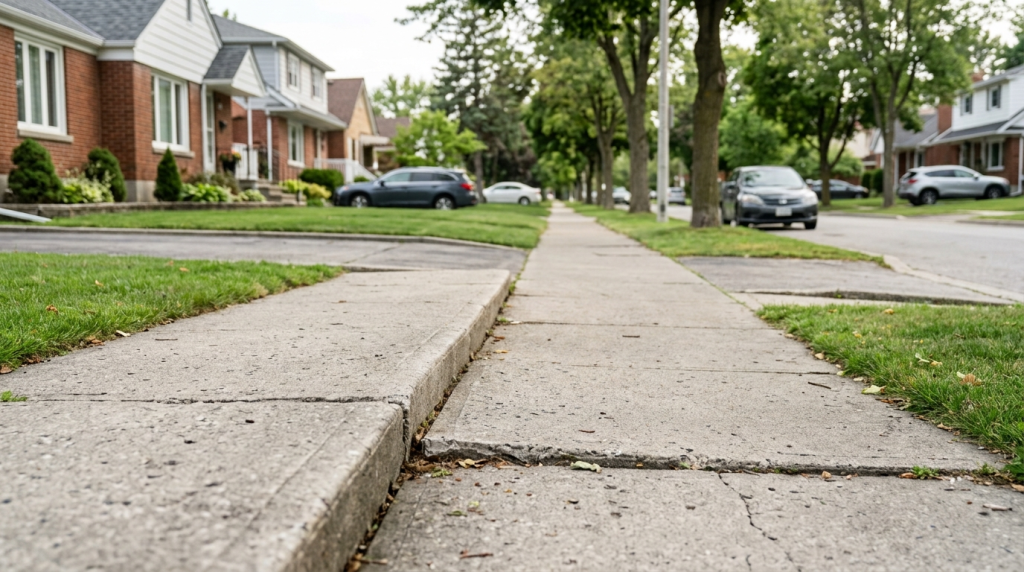
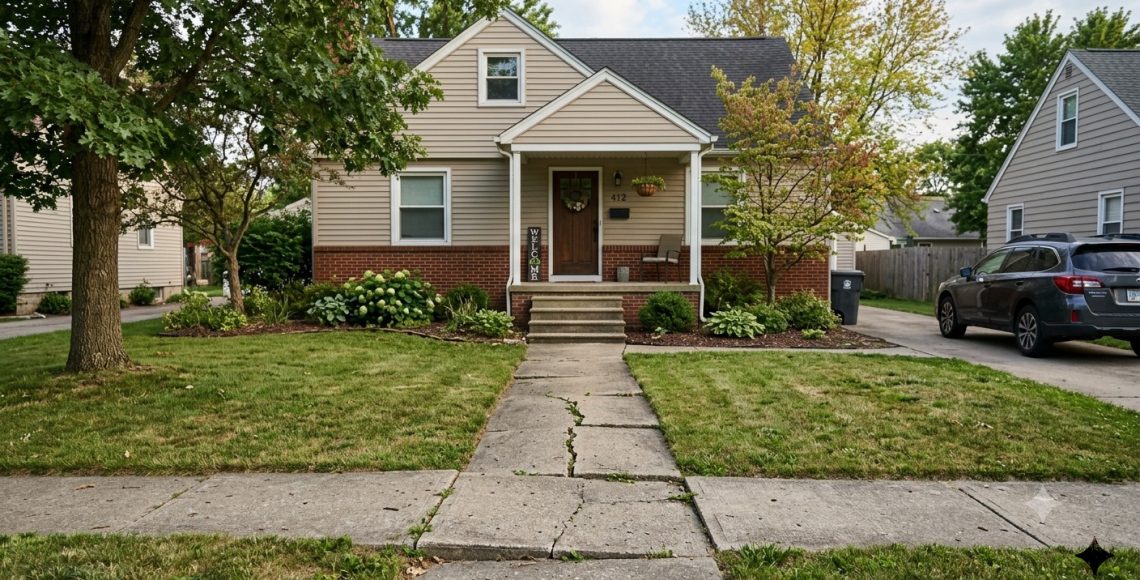
Uneven, cracked, or sunken concrete almost never starts as an emergency. It usually begins as a small flaw—a hairline crack, a slight step between slabs, or a corner that has just started to settle. Because the problem looks minor, many homeowners wait to fix it. That delay is often what turns a small repair bill into a much larger one later on.

Behind that delay are powerful psychological triggers: denial, fear of high costs, and misinformation about how concrete damage spreads over time. Understanding these triggers is the first step to breaking the cycle—and avoiding paying two or three times more than necessary in the future.

Why Homeowners Delay Concrete Repairs (And How It Costs Them 3X More)

Why Homeowners Delay Concrete Repairs

Denial and “It’s Just Cosmetic” Thinking

Many homeowners convince themselves that cracks or settlement are “normal” and only cosmetic. This is a form of optimism bias—the belief that serious consequences happen to other people, not to us.

It often sounds like this:

  • “It’s just a small crack; it’s fine.”
  • “The step is only a little uneven; no one will trip.”
  • “It has looked like that for years; it hasn’t caused a problem yet.”

Experts who study homeowner behavior note that denial creates a false sense of control. If the problem feels “not serious,” there is less pressure to act, even when warning signs are obvious.


Fear of High Costs and Bad News

Cost fear is one of the strongest reasons people delay repairs. Surveys show that many homeowners postpone work mainly because they worry about the price, even when they know waiting will probably make things worse.

In their minds, they jump straight to the worst case: full replacement, big invoices, and major disruption. To avoid that stress, they decide not to call anyone at all.

Common thoughts include:

  • “I don’t want to hear how expensive this will be.”
  • “I’ll save up and deal with it later.”

Real‑world stories from roofing and foundation repair show how this plays out. A small repair that could cost a few hundred dollars today can easily turn into a multi‑thousand‑dollar project after years of delay.


Misinformation and Underestimating the Risk

Many homeowners delay repairs because they misunderstand the risks. Typical myths include:

  • “Concrete always cracks. There’s nothing you can do.”
  • “A small height difference is not a big deal.”
  • “Trip hazards are just ugly, not dangerous.”

In reality, safety and accessibility guidelines treat vertical changes as small as 1/4 inch as potential trip hazards, and larger offsets as clearly dangerous. Legal and insurance sources warn that ignoring known hazards can lead to expensive injury claims against the property owner.


Overwhelm and Not Knowing Where to Start

Another reason people delay repairs is simple overwhelm. Many homeowners are not sure how serious the problem is, how to evaluate contractors, or what a fair price looks like. That uncertainty leads to procrastination.

It feels easier to do nothing than to research the issue, schedule inspections, and compare quotes. People also assume they can wait “one more season” without much risk, even though the damage may be getting worse underneath.


How Delays Turn into 3X Higher Costs

The idea that delay can cost three times more is not just a scare line. It reflects how concrete and structural problems grow over time—and how repair pricing changes with them.


Damage Spreads and Becomes More Complex

Concrete repair specialists explain that cracks and settlement almost never stay the same. Once damage starts, it tends to spread.

If a small crack is left open, water can get in. That water freezes, expands, and widens the crack. As seasons change, the crack grows longer and deeper. What could have been a simple fill job now requires cutting, patching, and sometimes replacement.

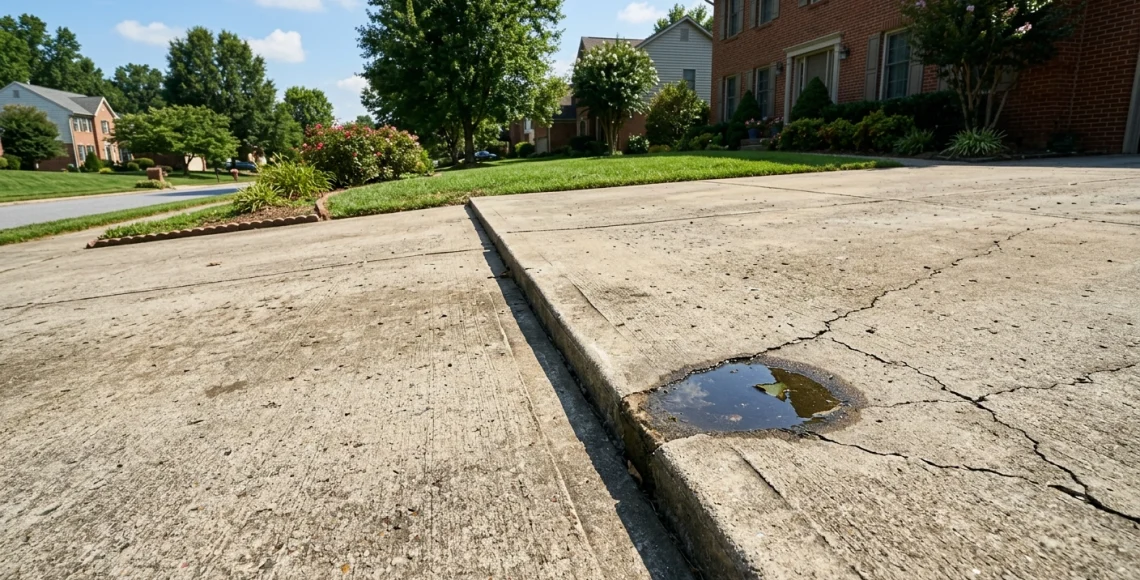
The same is true for sunken slabs. A small void under the concrete might be easy to fill early. If the slab keeps sinking, the void gets bigger, the lift distance increases, and the repair becomes more complex and expensive.

Studies on structural repairs show a similar pattern. When homeowners postpone foundation work, average project costs can rise by more than 30%. Consumer research also finds that many owners admit they ended up paying more because they waited instead of acting early.


Secondary Damage and Structural Issues

Delaying concrete repair often creates new problems that did not exist at the start. Common examples include:

  • Changed slopes that send water toward the house instead of away from it.
  • Water pooling near foundations, which can weaken soil and increase settlement.
  • Larger sections of concrete cracking or breaking as movement continues.

One concrete repair guide explains that when you wait, more material has to be replaced, more structural elements may need reinforcement, and secondary issues—like drainage or soil problems—add to the total cost.


Trip Hazards, Liability, and Insurance Risk

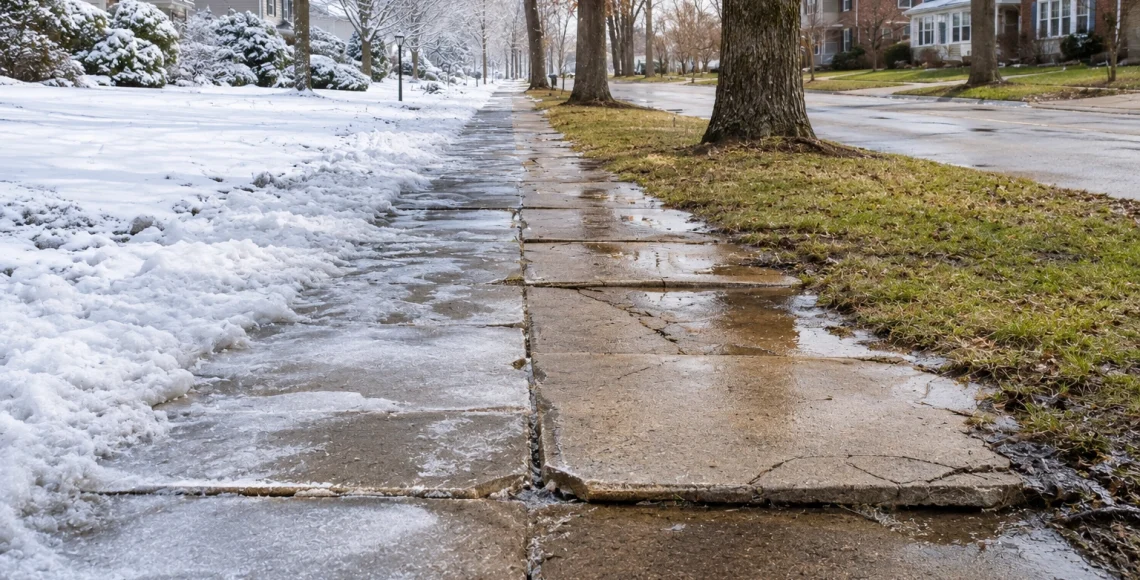
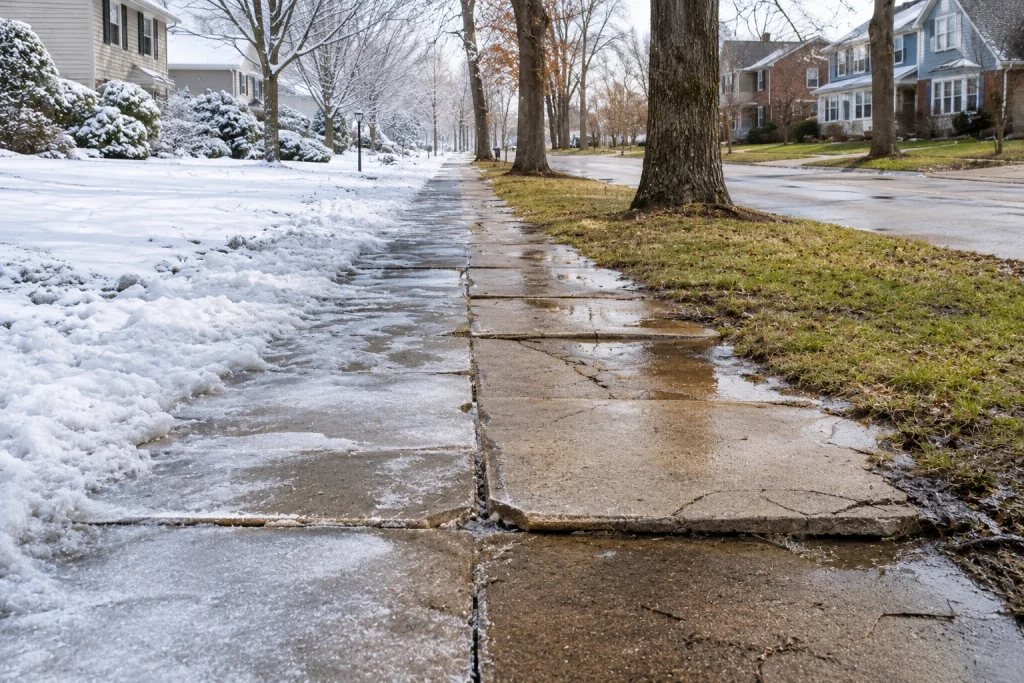
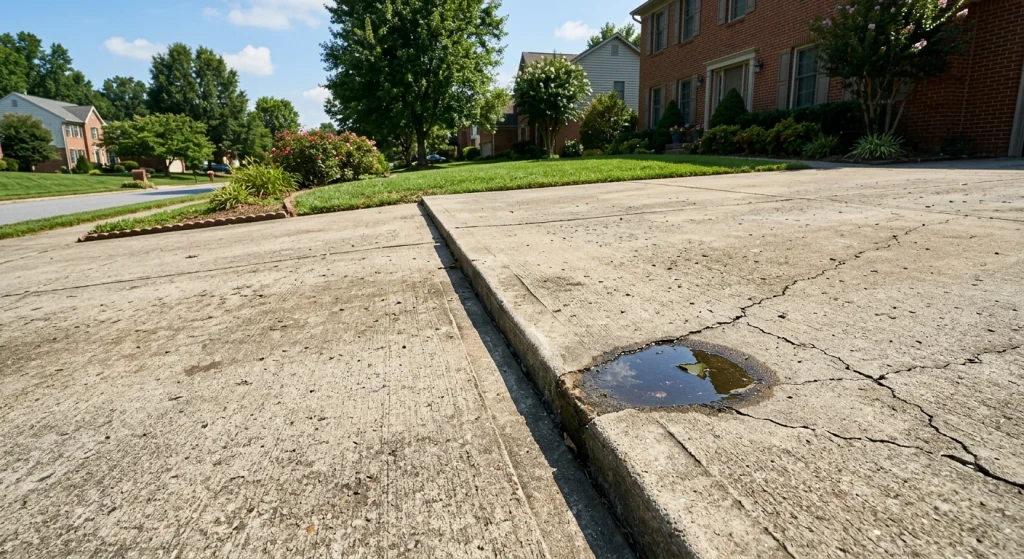
Uneven slabs create more than cosmetic issues; they create safety risks. Sunken sidewalks, raised driveway panels, and settled steps are a common cause of trip‑and‑fall accidents.

Safety standards and local codes often treat even small offsets as hazards, especially in walking paths. A raised edge of just 1/4 to 1/2 inch can be enough to cause a stumble, particularly for children, older adults, or anyone with mobility challenges.

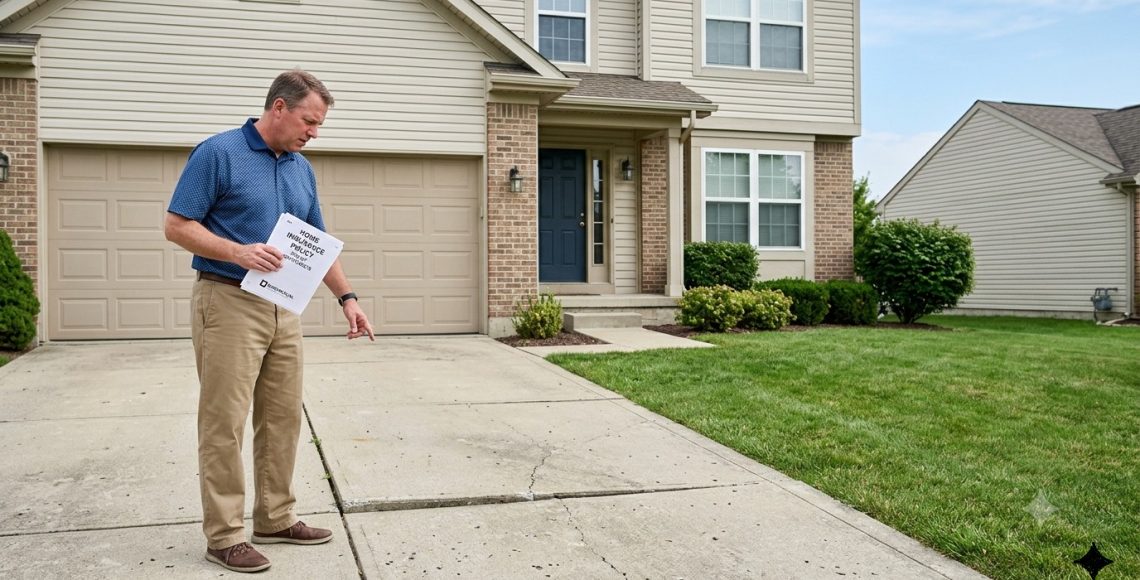
Liability and insurance sources warn that if someone is injured because of a known but neglected hazard, the property owner may face expensive claims, and insurers may push back if it appears the risk was obvious and ignored. Compared to that, the cost of early concrete leveling looks very small.


Signs You’re Slipping into “Delay Mode”

Common Thoughts That Lead to Procrastination

Homeowners rarely say, “I plan to ignore this problem.” Delay creeps in through small thoughts and excuses. You may be sliding into delay mode if you notice yourself thinking:

  • “I’ll fix it when it gets a little worse.”
  • “No one has fallen yet, so it’s probably fine.”
  • “I don’t want to hear a big number right now.”
  • “I’ll take care of it after this season.”

Surveys and psychology articles on home maintenance show that this pattern—fear, avoidance, and postponing decisions—is exactly what leads to higher costs over time.


How to Break the Delay Cycle

Replace Fear with Clear Information

Most of the stress comes from not knowing what is wrong or what it will cost. Early inspections are usually low‑pressure and low‑risk. A short visit from a concrete repair specialist can reveal whether you are facing a simple adjustment or a more serious issue.

Once you know the size of the problem, decisions become easier. Instead of imagining the worst case, you can weigh real options with real numbers.


Think in Terms of Future Savings

Concrete and foundation repair data show a simple pattern: the longer you wait, the more you pay. Small repairs almost always cost less than major rebuilds.

Treat the situation like a trip to the dentist. Fixing a small cavity is uncomfortable but manageable. Waiting until you need a root canal or crown is far more painful—and far more expensive.


See Safety and Liability as Real Costs

If you have uneven slabs in walkways, driveways, or steps, think beyond appearance. These are areas where people actually walk, push strollers, and carry groceries.

The cost of one serious fall—medical bills, lost work time, and potential legal fees—can be greater than the price of years of preventive concrete maintenance. When you include safety and liability in your “total cost” calculation, early repair becomes a much easier decision.


Start with a No‑Pressure Evaluation

One of the best ways to break through denial and cost fear is to schedule a simple, no‑pressure evaluation with a trusted local contractor. Many concrete leveling and repair companies offer free or low‑cost assessments.

An inspection does not lock you into a repair. It gives you clarity. You learn what is happening, what your options are, and what it would actually take to fix the problem—before it grows.


Frequently Asked Questions

Is it really that bad to delay concrete repairs?

Yes. Delaying repairs often makes them more expensive and more complex. Cracks widen, slabs settle further, and secondary issues like drainage or soil problems can appear.

How much more can it cost if I wait?

Studies and contractor data show that postponing structural repairs can raise project costs by 30% or more. Many homeowners report paying significantly more because they waited instead of acting early.

Why do homeowners ignore obvious concrete problems?

Common reasons include fear of high costs, denial (“it’s just cosmetic”), misinformation about risk, and feeling overwhelmed by the repair process.

Are small height differences in concrete really a safety issue?

Yes. Safety and accessibility guidelines often treat vertical changes as small as 1/4 inch as trip hazards, and larger offsets are even riskier. Ignoring them can also increase liability and insurance risk.

Is concrete leveling cheaper than replacement?

In many cases, yes. When the slab is still structurally sound and only the support beneath it has failed, lifting and leveling are usually more cost‑effective than full removal and replacement.

How do I know if my concrete can still be repaired?

If the slab is mostly in one piece, not badly crumbling, and the main issue is settlement or minor cracking, it may still be a good candidate for leveling. A professional inspection is the best way to know for sure.


Strong Call to Action

Every month you wait, concrete problems have time to grow. Cracks expand, slabs sink further, and the price you will eventually pay moves closer to that “3X more” range.

📞 Call Top Level Ohio: 614-305-1050
📍 Proudly serving Columbus and surrounding Central Ohio communities
💬 Free inspection, analysis, and estimate
https://toplevelohio.com/does-home-insurance-cover-concrete-leveling-damage-in-ohio/

Does Home Insurance Cover Concrete Leveling Damage in Ohio?

When concrete starts sinking around your home, one of the first questions most homeowners ask is whether insurance will help cover the damage. Another common question is whether home insurance will pay for concrete leveling in Ohio.

In many cases, the answer is more complicated than homeowners expect. Standard home insurance policies may cover certain types of sudden accidental damage, but they often exclude many of the most common causes of sunken concrete, settlement, and leveling-related repairs.

This article is general information only and is not legal or insurance advice. Always review your own policy and speak with your insurance agent for specific guidance.


How Home Insurance Usually Works

Home insurance is designed to cover sudden and accidental damage. It is not meant to act like a maintenance plan for long-term wear, aging, or gradual structural movement.

Typical policies may:

  • Cover damage caused by fire, wind, hail, vandalism, or some types of sudden water damage.
  • Exclude long-term deterioration, maintenance issues, neglect, and ordinary settlement.

Insurance guides that discuss foundation and structural damage explain that coverage usually depends on the cause of the damage, not simply the fact that damage exists.


Are Sunken Concrete and Settlement Covered in Ohio?

Why Settlement Is Usually Excluded

Most Ohio homeowners insurance policies treat settlement and soil movement as excluded risks. Policy language often refers to settling, shrinking, bulging, earth movement, or expansion of foundations, walls, floors, and slabs.

Insurance resources commonly note that:

  • Gradual foundation cracks caused by normal settling are usually not covered.
  • Damage caused by shifting soil or earth movement is generally excluded unless extra coverage has been added.

That means one of the most common causes of concrete leveling damage in Ohio—long-term soil movement beneath driveways, patios, sidewalks, or steps—is usually viewed as a maintenance issue rather than an insurance claim.


Sinkholes and Special Earth-Movement Risks

Some homeowners worry that sunken concrete might be related to a sinkhole. In Ohio, standard homeowners insurance policies generally do not automatically include sinkhole coverage.

Ohio insurance sources explain that:

  • Sinkhole protection may be available through separate endorsements or stand-alone coverage.
  • Even with that coverage, policies may pay for structural damage and not necessarily for every part of the ground or slab repair itself.

For most residential concrete leveling situations in Ohio, the issue is ordinary settlement, not a covered sinkhole event.


When Concrete Damage Is Usually Not Covered

In many real-world cases, insurance will not pay for concrete leveling or slab repair if the damage comes from:

  • Long-term soil settlement under a driveway, patio, sidewalk, or front steps.
  • Seasonal freeze-thaw movement or frost-related shifting.
  • Poor base compaction or original construction problems.
  • Normal aging, cracking, deterioration, or lack of maintenance.

That is because insurers generally treat these conditions as predictable long-term property issues rather than sudden losses.


When Concrete Damage Might Be Covered

There are situations where part of the concrete damage may be covered if the cause is tied directly to a covered peril.

Examples may include:

  • A tree falls during a storm and damages your driveway or entry slab.
  • A vehicle crashes into a concrete surface on your property.
  • A burst pipe suddenly washes out soil and causes a slab to drop.

Insurance guides that discuss foundation and driveway claims emphasize two important points:

  1. The cause must usually be sudden and accidental.
  2. The insurer may pay to restore the damaged area, but not necessarily for broader leveling work or upgrades beyond the original condition.

Driveways, Sidewalks, and Patios Under Your Policy

In many policies, driveways and walkways may be treated as part of the dwelling or as other structures, depending on where they are located and how they connect to the property.

Insurance coverage discussions explain that:

  • Driveways may be covered for sudden events such as falling trees, storm impact, or vehicle damage.
  • They are usually not covered for long-term cracking, spalling, or gradual sinking caused by soil settlement or age.

So if your Ohio driveway has slowly sunk over several years, your insurer will usually view it as a maintenance problem. If a sudden storm event causes direct damage, part of that repair may be covered.


What About Foundation Damage and Insurance?

Foundation damage follows many of the same coverage rules. Standard homeowners insurance typically covers foundation damage only when it results from a covered peril such as fire, explosion, or a sudden plumbing failure.

Common exclusions usually include:

  • Soil settling and shifting.
  • Faulty construction or poor materials.
  • Long-term water intrusion, neglect, or gradual deterioration.

If the foundation or slab is moving because the soil beneath it is gradually changing over time, that is usually not covered under a standard policy.


Will Insurance Pay for Concrete Leveling in Ohio?

From an insurance standpoint, concrete leveling is a repair method, not a covered category of damage by itself. Insurers usually look at what caused the problem first. They do not decide based on whether the repair method is foam leveling, polyjacking, mudjacking, or replacement.

Because settlement and soil movement are usually excluded:

  • Concrete leveling is often treated as an out-of-pocket repair.
  • Homeowners usually pay for leveling when the problem developed gradually over time.

Even when a covered event is involved, the insurer may only pay to return the structure to its previous condition. Additional leveling improvements or preventative upgrades may still remain the homeowner’s responsibility.


How to Check Your Policy in Ohio

Step 1: Read the Exclusions

Look for terms such as:

  • Settling, shrinking, bulging, or expansion.
  • Earth movement, subsidence, or ground movement.
  • Wear and tear, neglect, or maintenance.

These sections often explain why many concrete leveling claims are denied.

Step 2: Look for Extra Endorsements

Some Ohio insurance guides mention optional policy additions such as:

  • Sinkhole coverage.
  • Mine subsidence protection in certain areas.
  • Expanded earth-movement or structural endorsements.

If your policy includes one of these options, your coverage may be broader than a standard policy. Still, each endorsement has its own limits and definitions.

Step 3: Ask Specific Questions

When talking with your insurance agent, ask direct questions like:

  • “Is gradual driveway settlement covered?”
  • “What if a burst pipe causes the slab to drop?”
  • “Would a sunken sidewalk be covered if someone gets hurt?”

Insurance experts often stress that claims depend heavily on the exact cause of the damage, so specific examples help avoid vague answers.


Practical Scenarios for Ohio Homeowners

  • Gradually sinking driveway with no sudden event
    – Likely cause: long-term settlement.
    – Likely result: usually not covered.
  • Tree falls and cracks the front steps during a storm
    – Likely cause: covered peril.
    – Likely result: damage may be covered, depending on the deductible and policy terms.
  • Burst pipe causes the slab to sink suddenly
    – Likely cause: sudden accidental water damage.
    – Likely result: part of the structural repair may be covered.
  • Sunken sidewalk becomes a trip hazard over time
    – Likely cause: long-term settlement.
    – Likely result: repair is usually not covered, even though liability concerns may still exist if someone is injured.

Frequently Asked Questions

Does home insurance cover concrete leveling damage in Ohio?

Usually not. Most policies exclude settlement, earth movement, and long-term deterioration, which are the most common causes of sunken concrete.

Will home insurance pay for concrete leveling?

In most cases, no. Concrete leveling is usually considered a repair method for a maintenance-related issue unless the damage was caused by a covered peril.

Is a sinking driveway covered by insurance?

Only in limited cases. If the damage happened because of a sudden covered event, there may be coverage. If it happened gradually, it is usually excluded.

Does insurance cover foundation settlement in Ohio?

Standard homeowners insurance generally does not cover foundation settlement caused by soil movement or gradual shifting. Coverage may apply only if a covered event directly caused the damage.

Is sinkhole coverage included in Ohio homeowners insurance?

Not usually. Sinkhole coverage is often separate and may need to be added by endorsement or purchased as separate protection.

Can I file a claim if someone trips on my uneven sidewalk?

You may be able to file a liability-related claim if someone is injured, but that does not mean the insurer will pay to fix the long-term settlement that created the hazard.


When to Call a Concrete Leveling Contractor Instead

For most residential concrete settlement problems in Ohio, homeowners end up paying for the repair themselves. That is because insurance is meant for sudden covered losses, not long-term settlement or routine structural maintenance.

In those situations, professional concrete leveling is often the practical next step. Instead of leaving the surface uneven and hoping insurance will pay later, homeowners can correct the issue early, improve safety, and reduce the chance of future damage or liability.


📞 Call Top Level Ohio: 614-305-1050
📍 Proudly serving Columbus and surrounding Central Ohio communities
💬 Free inspection, analysis, and estimate

How to Tell If Your Sunken Concrete Is Still Repairable

Sunken concrete does not always mean full replacement is necessary. In many cases, a settled slab can still be lifted and stabilized when the concrete itself is still in usable condition and the main problem is loss of support beneath the surface.

At Top Level Ohio, concrete leveling is often the better option when the slab is still mostly intact and the issue is uneven settlement rather than complete structural failure. This is especially true for walkways, entry slabs, steps, patios, and driveways around the home.

What Sunken Concrete Usually Means

When concrete sinks, the slab is often reacting to conditions below it rather than failing on its own. Common causes include soil erosion, poor compaction, water intrusion, voids under the slab, and long-term settlement over time.

That matters because a slab can often still be repaired if the surface itself remains largely intact. If the concrete is still usable, leveling may restore support, improve drainage, and reduce unsafe height differences without removing the whole slab.

Signs the Concrete May Still Be Repairable

A sunken slab is often repairable when the concrete has dropped but has not completely broken apart. The most common signs include:

  • One section of concrete sits lower than the next.
  • The surface creates an uneven transition near a door, walkway, patio, or driveway.
  • The slab has minor or moderate cracks but is still mostly in one piece.
  • Water collects because the surface no longer drains correctly.
  • Gaps or voids appear around the slab, showing lost support underneath.

These signs usually point to a support problem under the slab, not necessarily a slab that needs to be torn out. In many cases, that makes concrete leveling a practical repair option.

When Replacement May Be the Better Option

Not every slab should be lifted. If the concrete is badly shattered, crumbling, or damaged across multiple sections, replacement may be the better long-term choice.

Replacement may make more sense when the slab has deep or widespread cracks, severe deterioration, repeated failed repairs, or settlement so extreme that the concrete is no longer stable enough to lift reliably. Some sources also note that very heavy settlement or recurring underlying soil problems can push a project closer to replacement than leveling.

Front Entry Case Study

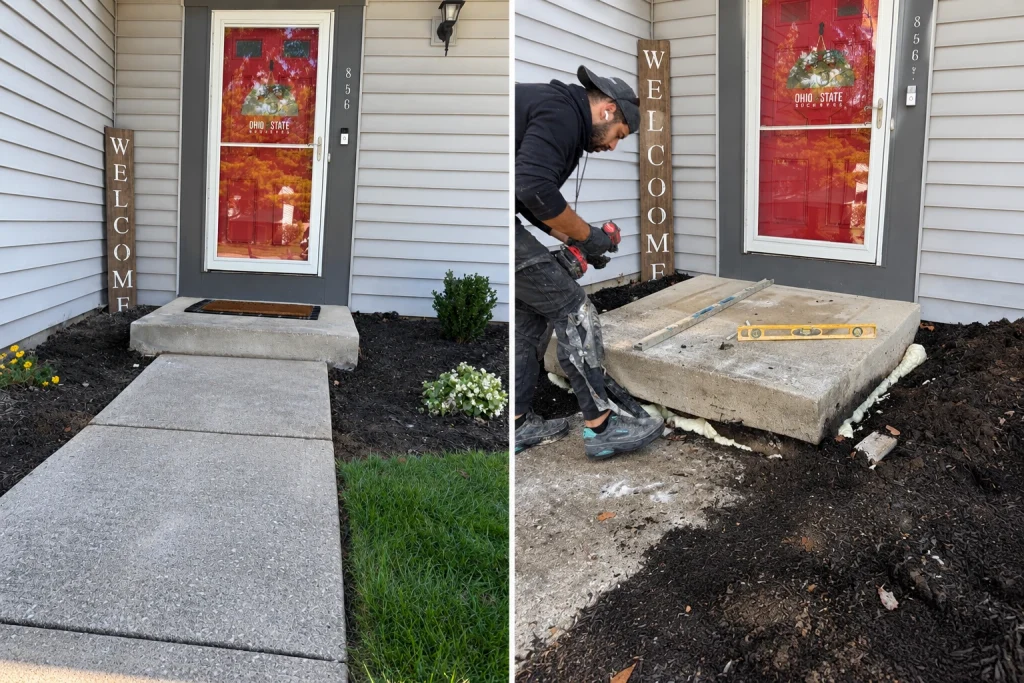
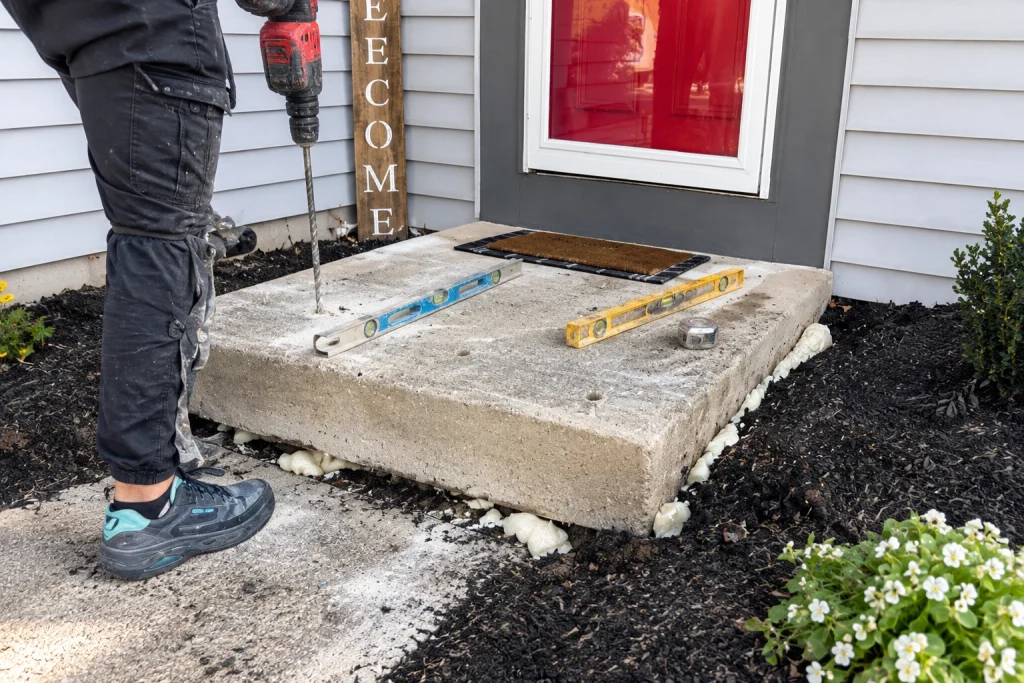
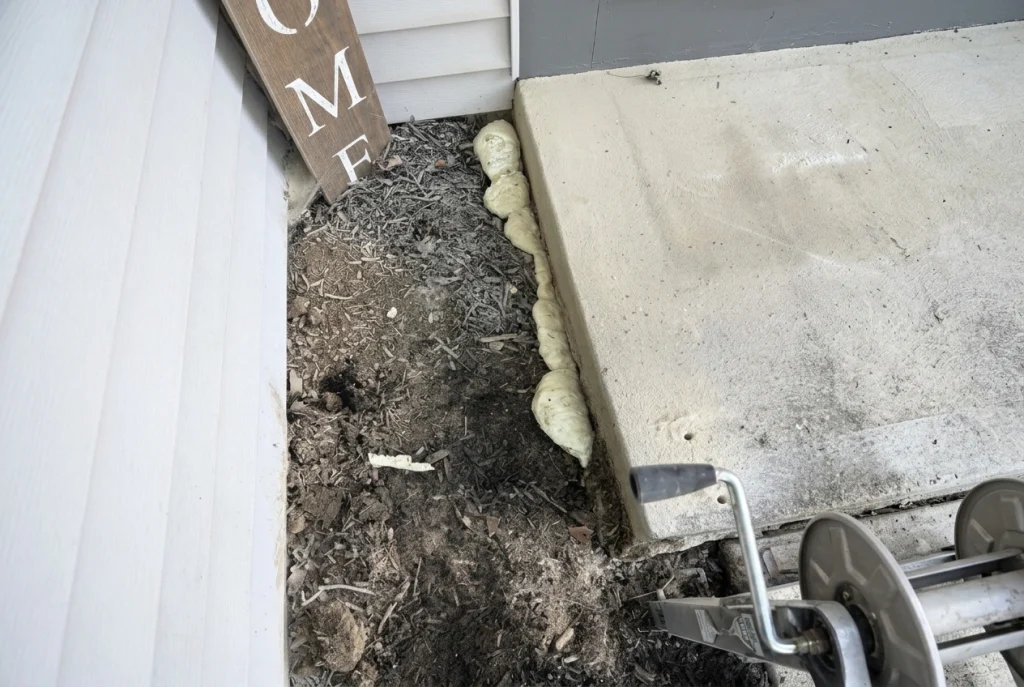
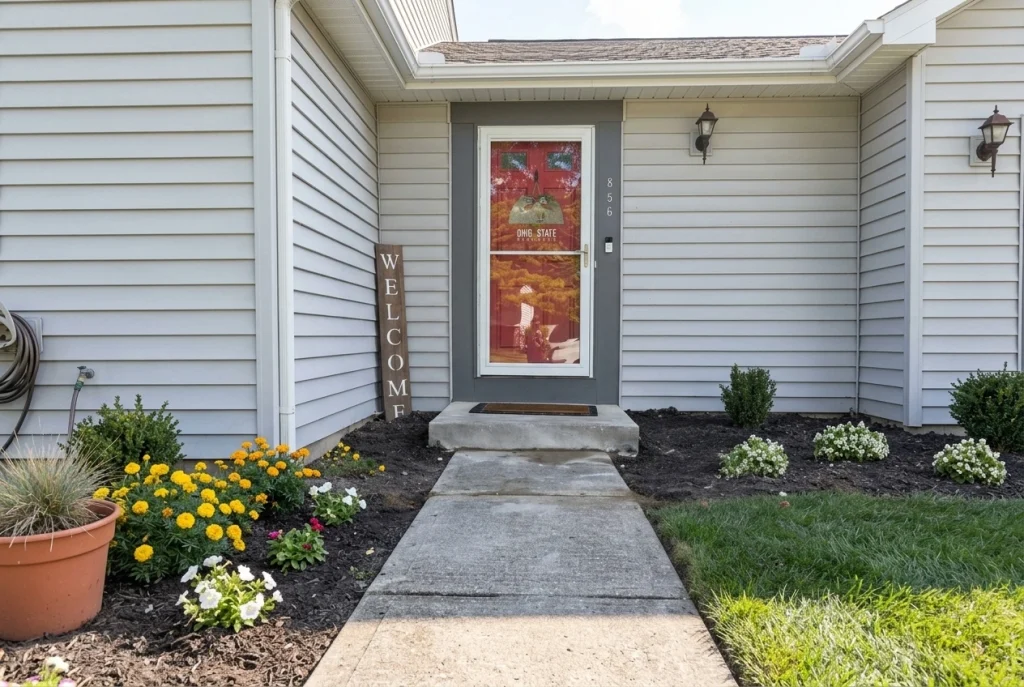
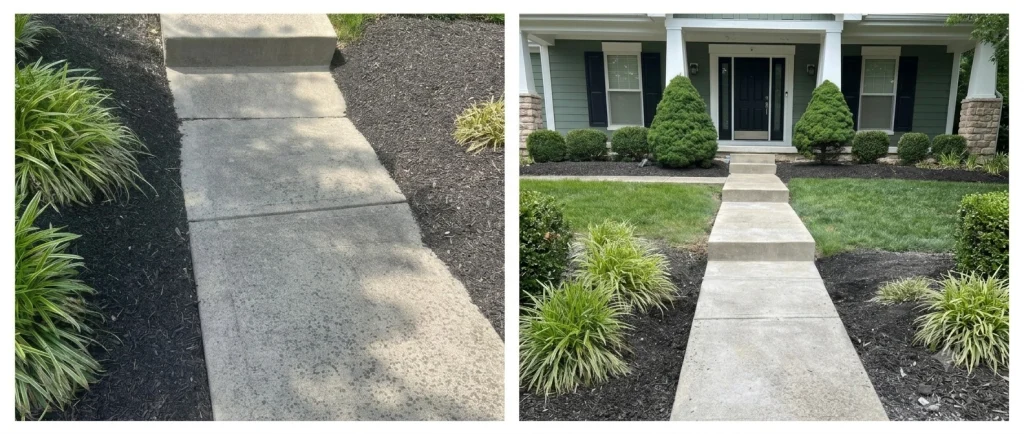
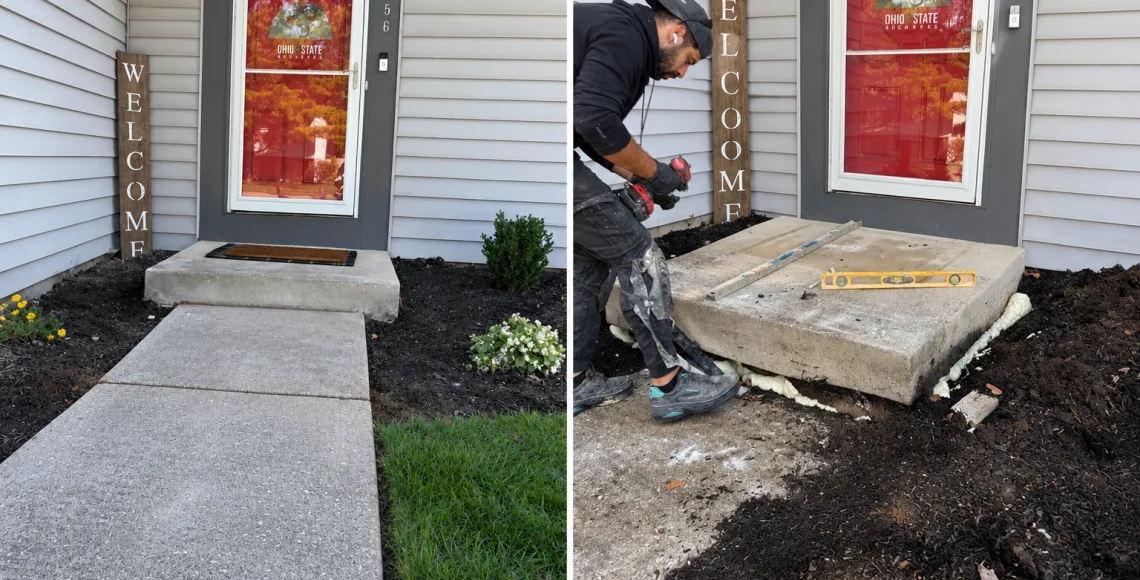
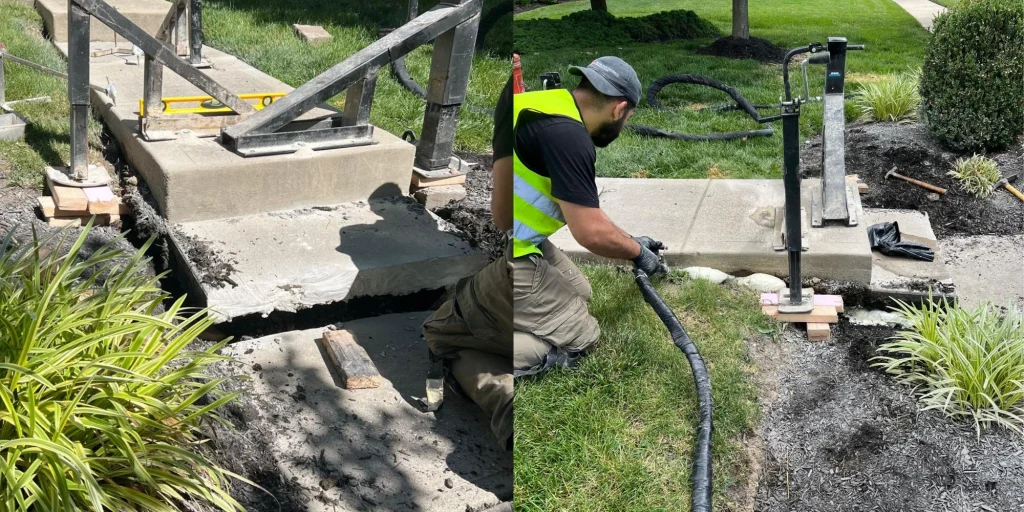
In this front entry example, the photos show a concrete stoop and adjoining walkway with visible settlement at the connection point near the front door. The transition between the stoop and the walkway appears uneven, which is exactly the kind of issue that can affect both safety and curb appeal at a home entry.

The good sign here is that the concrete appears largely intact rather than broken into multiple failed sections. Based on the photos, the visible problem looks more like settlement and misalignment than total slab failure, which is the type of condition that is often a good candidate for repair through leveling rather than full replacement.

For residential entry slabs like this, the goal is usually to restore a smoother and safer transition without the cost and disruption of removing the entire area. When the slab is still structurally usable, polyurethane foam lifting is often a strong solution because it can fill voids, improve support, and raise the settled section in a controlled way.

How Polyurethane Foam Repair Works

Top Level Ohio uses polyurethane foam injection as a repair method for settled concrete. Small holes are used to place material beneath the slab, where the expanding foam fills empty spaces, restores support, and helps raise the slab with controlled lift.

This approach is often preferred because it is faster and less disruptive than full replacement in many repairable cases. It is commonly used for sidewalks, patios, steps, porches, driveways, and other residential concrete surfaces that are still worth saving.

Frequently Asked Questions

Can sunken concrete be repaired without replacing it?

Yes, in many cases it can. If the slab is still mostly intact, leveling is often a good alternative to replacement.

Is concrete leveling better than replacement?

It depends on the slab condition. Leveling is often best for minor to moderate settlement, while replacement is better for severe breakage or major deterioration.

What causes concrete to sink near a house?

Common causes include poor soil compaction, water washout, drainage issues, and voids beneath the slab. These are some of the most frequently cited reasons concrete settles over time.

How do I know if my concrete is too damaged to lift?

If it is badly shattered, crumbling, or cracked across multiple unstable sections, replacement may be the better option. If it is still mostly in one piece, it may still be repairable.

How long does concrete leveling take?

Many leveling jobs can be completed much faster than replacement, often within a few hours depending on the slab size and condition.

Is polyurethane foam lifting worth it?

It is often worth it when the slab is still serviceable and the main issue is settlement. It avoids full demolition and is commonly used to restore support under sunken concrete.

Why is my front step or walkway sinking?

Front steps and walkways often sink because the soil beneath them shifts, erodes, or loses strength over time. Water around the home can make this problem worse.

Is uneven concrete a safety problem?

Yes. Uneven concrete can create trip hazards, especially near entryways, sidewalks, and transitions between slabs.

📞 Call Top Level Ohio: 614-305-1050
📍 Proudly serving Columbus and surrounding Central Ohio communities
💬 Free inspection, analysis, and estimate
Backyard Concrete Leveling Case Study in Columbus, Ohio

Backyard Concrete Leveling Case Study in Columbus, Ohio

Uneven backyard concrete is more than just an appearance issue. In Columbus, Ohio, settled patio slabs can create drainage problems, visible gaps, and unsafe walking surfaces around the home.

At Top Level Ohio, we help homeowners identify why concrete settles and when concrete leveling Columbus service is the right solution. This backyard concrete leveling case study in Columbus, Ohio shows how a sunken slab can be restored without full replacement.

The Problem: Sunken Backyard Concrete

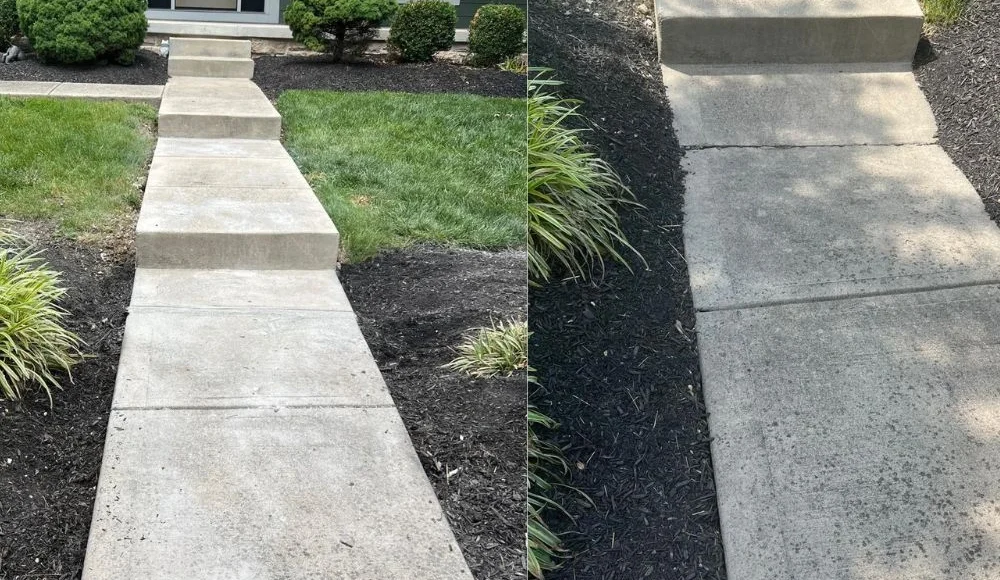
In this backyard project, the concrete surface had developed a clear height difference between slab sections. Before the repair, the middle joint showed visible settlement, which created an uneven transition across the patio area near the back door.

From both before angles, the concrete no longer looked level or uniform. The offset between the slabs made the surface look worn, out of alignment, and less functional for everyday backyard use.

This kind of movement is common when the soil beneath the slab loses support over time. In many Columbus properties, changing moisture conditions, drainage issues, and soil movement can all contribute to this type of settlement.

Before: What the Surface Looked Like

Before the leveling work, the settled slab created a noticeable ridge through the center of the concrete area. The uneven joint disrupted the appearance of the backyard and created a more obvious trip hazard near the walking path from the rear entry.

The problem was not limited to looks alone. When one section of a patio or backyard slab drops lower than the next, it can also affect how water moves across the surface and make the area less comfortable to use.

Backyard Concrete Leveling Case Study in Columbus, Ohio

Why Concrete Leveling Was the Right Solution

At Top Level Ohio, we look at whether the slab is still structurally usable before recommending a repair approach. In this case, the concrete itself was still a strong candidate for repair, which made concrete leveling a practical alternative to full replacement.

Instead of removing the entire slab, the goal was to restore proper support and bring the settled section back into alignment. That approach helps homeowners improve safety, appearance, and usability without the cost and disruption of tearing everything out.

How Polyurethane Foam Concrete Leveling Works

Top Level Ohio uses modern concrete leveling methods that rely on polyurethane foam injection to lift and stabilize settled slabs. This repair approach is designed to restore support beneath the concrete without the mess and downtime of full slab replacement.

The process typically works like this:

  • Small holes are drilled through the settled concrete slab so the repair material can be placed beneath the surface.
  • Polyurethane foam is injected below the slab, where it expands into empty spaces and weak areas beneath the concrete.
  • As the foam expands, it helps fill voids, improve support, and carefully raise the slab toward its proper position.
  • Once the slab is leveled, the drill holes are patched, leaving the surface cleaner and far less disruptive than replacement.

This method is especially valuable for backyard concrete because it is fast, efficient, and well suited for slabs that are still structurally repairable. It also helps address the underlying support issue below the surface, not just the visible height difference above it.

The Leveling Process

For backyard concrete like this, the goal is to lift the settled section and restore a more even surface. Concrete leveling Columbus service is often the best option when the slab has dropped but is still in repairable condition.

By correcting the height difference and restoring support beneath the slab, the surface can be made safer and more visually consistent. This also helps the backyard feel more finished and easier to use on a daily basis.

After: The Backyard Surface After Leveling

After the repair, the concrete surface looked far more even and uniform. The slab sections were brought back into alignment, and the raised ridge that was clearly visible before was no longer dominating the center of the patio area.

The after photo shows a cleaner, flatter transition across the backyard concrete. The space now looks more usable, more polished, and much better suited for normal foot traffic just outside the back door.

Backyard Concrete Leveling Case Study in Columbus, Ohio

What This Backyard Concrete Leveling Project Shows

This before and after project shows how much difference concrete leveling can make when settlement is caught before full replacement becomes necessary. A slab that looked uneven and separated can often be restored to a safer and more consistent condition.

For homeowners in Columbus, Ohio, backyard slabs, patios, and rear entry concrete surfaces can all develop settlement over time. When that happens, concrete leveling Columbus service can provide a faster and more cost-effective solution than replacement.

Backyard Concrete Leveling in Columbus, Ohio

At Top Level Ohio, we help homeowners restore uneven concrete surfaces by addressing the settlement problem directly. Whether the issue affects a backyard patio, walkway, driveway, or entry slab, the right repair approach can improve both safety and appearance.

If your backyard concrete is sinking, separating, or becoming uneven, Top Level Ohio can help. We provide expert concrete leveling Columbus service to restore stable, level surfaces without unnecessary replacement.

👉 Contact Top Level Ohio today at 614-305-1050 for a free evaluation and expert concrete leveling Columbus service.

Signs Your Columbus Driveway Needs Concrete Leveling

Signs Your Columbus Driveway Needs Concrete Leveling

A sinking or uneven driveway is more than a cosmetic issue. In Columbus, Ohio, changing soil conditions, poor drainage, and freeze-thaw weather can cause driveway slabs to settle, crack, and become unsafe over time.

At Top Level Ohio, we help homeowners understand why concrete moves. We also explain the warning signs that often appear before the damage becomes more serious. In many cases, these early issues are what lead homeowners to search for concrete leveling Columbus services.

When one section of a driveway starts to sink, the problem rarely stays isolated. Over time, weak support beneath the slab can create larger gaps and more visible cracking. It can also cause water to collect and trip hazards to grow.

Signs Your Columbus Driveway Needs Concrete Leveling

Why Driveway Settlement Happens

Concrete depends on stable, well-supported soil beneath it. When the ground under a driveway begins to erode, soften, or shift, the slab above can lose support. Once that happens, it may settle unevenly.

In Columbus, drainage issues often make the problem worse. Water can collect near the slab or move beneath it. That moisture may wash away fine soil particles and create voids. Those voids often lead to visible sinking.

Vehicle traffic adds even more stress to weak areas. Once the base becomes unstable, daily use can make the driveway continue dropping in the same sections.

Common Signs Your Driveway Needs Attention

Some warning signs are easy to spot. Others develop slowly over time. If you notice any of the issues below, your driveway may be a good candidate for concrete leveling Columbus service.

  • Cracks spreading across the surface or getting wider over time can mean the slab is moving because of weak support below.
  • Uneven sections or one slab sitting lower than another are among the clearest signs of settlement.
  • Water pooling on the driveway after rain often means the surface is no longer level.
  • Trip edges between slabs can create a safety issue and usually indicate ongoing movement under the concrete.
  • Gaps forming under slab edges may point to erosion or empty spaces beneath the driveway.
  • Sinking near the garage or street connection is a common pattern in driveways with repeated load stress and unstable soil.

Why These Signs Should Not Be Ignored

Driveway settlement usually starts small. However, it tends to get worse when the underlying cause is left untreated. Minor cracking or slight height differences can turn into larger structural and safety concerns.

That is why early action matters. If the slab is still in repairable condition, leveling can often restore the surface. It may also help you avoid more extensive repairs later.

Additional Problems Homeowners Often Notice

In many Columbus neighborhoods, homeowners first notice the problem when the driveway starts holding water. In many cases, that area used to drain properly. This change often means part of the slab has already shifted.

Another common sign is a driveway that feels rougher or less stable when driving over it. The settlement may look minor from a distance. With daily use, though, the height difference often becomes easier to notice.

What Causes Driveways to Settle in Columbus

Several site conditions can contribute to driveway movement. Poor drainage is a major one. Soil washout, freeze-thaw cycles, and repeated water exposure also play a role. These conditions are commonly linked to settlement problems in Ohio concrete surfaces.

In many cases, the concrete itself is not the original problem. The real issue is that the soil beneath the slab has changed over time. That is why concrete leveling Columbus work often focuses on restoring support instead of replacing the entire driveway.

When to Schedule an Inspection

If the driveway is cracking, sinking, or collecting water more often than before, it is usually time for an evaluation. Waiting too long can allow the settlement pattern to spread. It can also make the surface harder to restore.

At Top Level Ohio, we look at both the visible slab movement and the site conditions around it. That includes drainage-related issues and soil instability. This approach helps homeowners understand whether concrete leveling Columbus service is the right next step.

Professional Concrete Leveling Columbus Service

A driveway that is sinking, uneven, or holding water should never be dismissed as a small appearance issue. These signs often point to deeper support problems. If left untreated, those problems can continue getting worse.

At Top Level Ohio, we help homeowners identify these issues early. We also determine the most practical repair approach for long-term results. If your driveway is showing signs of settlement, professional concrete leveling Columbus service may be the right solution before the damage spreads further.

👉 Contact Top Level Ohio today at 614-305-1050 for a free evaluation and expert concrete leveling Columbus service.

How Poor Drainage Causes Sinking Concrete in Columbus Ohio

How Poor Drainage Causes Sinking Concrete in Columbus Ohio

Poor drainage does more than create puddles around your home. In Columbus, Ohio, it is one of the leading causes of sinking concrete surfaces, including driveways, sidewalks, patios, and entry slabs.

At Top Level Ohio, we help homeowners understand the real causes behind settling concrete and why drainage issues often lead people to search for concrete leveling Columbus services.

When water repeatedly collects near or beneath a slab, it weakens the soil foundation. Over time, this loss of support leads to uneven surfaces, visible sinking, and potential safety hazards.

How Poor Drainage Causes Sinking Concrete in Columbus Ohio

Why Drainage Is Critical for Concrete Stability

Concrete relies entirely on the soil beneath it for long-term support. When the soil remains compact and dry, the slab can stay level for decades.

However, poor drainage introduces excess moisture into the ground, causing:

  • Soil softening
  • Erosion and washout
  • Voids beneath the slab
  • Uneven load-bearing capacity

This is one of the most common root causes behind concrete leveling Columbus projects we handle.


Common Drainage Problems That Lead to Concrete Settlement

Many homeowners don’t realize that small drainage issues can eventually lead to major concrete problems.

1. Downspouts Discharging Near Concrete

When downspouts release water too close to slabs, repeated flow erodes the soil beneath.

2. Improper Yard Grading

If your yard slopes toward your home or concrete surfaces, water collects instead of draining away.

3. Clogged or Overflowing Gutters

Overflowing gutters dump water directly next to foundations and slabs, increasing soil saturation.

4. Low Spots and Poor Yard Drainage

Standing water in low areas keeps soil consistently wet, weakening its ability to support concrete.

These conditions are frequently found in homes that later require concrete leveling Columbus services.


How Poor Drainage Causes Concrete to Sink

Concrete settlement doesn’t happen overnight—it develops gradually.

Here’s how the process works:

  1. Water enters the soil beneath the slab
  2. Fine particles wash away, creating empty spaces
  3. Soil becomes soft and unstable
  4. The slab loses support and begins to sink

In Columbus, freeze-thaw cycles make the situation worse. Water expands when frozen and contracts when thawed, further destabilizing the soil.

This cycle significantly increases the need for concrete leveling Columbus Ohio solutions.


Warning Signs of Drainage-Related Concrete Problems

Recognizing early signs can save homeowners from costly repairs.

Watch for:

  • Water pooling near concrete after rain
  • Soil separating from slab edges
  • Uneven or sloping surfaces
  • Sunken areas near downspouts
  • Cracks forming at slab corners
  • Trip hazards getting worse over time
  • Concrete staying wet longer than surrounding areas

If you notice these issues, it may be time to consider concrete leveling Columbus services.


Why Fixing the Concrete Alone Isn’t Enough

Many homeowners make the mistake of repairing the slab without fixing the drainage problem.

While leveling restores the surface, it does not address the underlying cause.

Without proper drainage correction:

  • Soil continues to weaken
  • Voids can reform
  • The slab may settle again

At Top Level Ohio, we focus on both the symptom (sunken concrete) and the cause (poor drainage) to ensure long-lasting results.


Long-Term Solutions for Concrete Leveling in Columbus

For durable results, a combination of repair and prevention is essential.

Effective solutions include:

  • Extending downspouts away from slabs
  • Regrading soil to improve runoff
  • Installing proper drainage systems
  • Sealing gaps around concrete edges

When combined with professional concrete leveling Columbus services, these steps help protect your property long-term.


Professional Concrete Leveling Columbus Services

Poor drainage is one of the most common hidden causes of sinking concrete in Columbus, Ohio. Addressing it early can prevent serious structural and safety issues.

At Top Level Ohio, we specialize in identifying the root cause of settlement and providing reliable concrete leveling Columbus Ohio solutions using advanced polyurethane foam technology.

If your driveway, patio, sidewalk, or entry slab is sinking or uneven, don’t wait for the problem to worsen.

👉 Contact Top Level Ohio today at 614-305-1050 for a free evaluation and expert concrete leveling Columbus service.

Resurfacing Project Before and After Case Studies in Columbus Ohio

Resurfacing Project Before and After Case Studies in Columbus Ohio

Concrete surfaces can lose their clean and attractive appearance over time. Patios and driveways often become faded, stained, and worn due to weather, moisture, and daily use. When the base concrete is still solid, concrete resurfacing in Columbus becomes a practical way to restore the look without the cost and disruption of full replacement.

At Top Level Ohio, we specialize in helping homeowners restore worn concrete surfaces with efficient resurfacing solutions. Instead of removing and replacing entire slabs, our approach focuses on renewing the surface to create a cleaner, more uniform finish.

In this article, we’re sharing two real projects completed in Columbus, Ohio. One focuses on a patio transformation, and the other highlights a driveway upgrade. These examples show what resurfacing can achieve in real situations.


Patio Before and After in Columbus, Ohio

The Patio Condition Before Resurfacing

The first project involved a residential patio that had clearly lost its original appeal. The surface showed visible signs of wear, including fading, discoloration, and stains from long-term outdoor exposure. The finish looked uneven, and the patio no longer felt like an inviting part of the home.

Like many outdoor spaces, years of moisture, debris, and daily use had taken a toll. Although the concrete was still structurally sound, the surface made the entire backyard feel older and less maintained.

The homeowner wanted a practical way to improve the space without going through the time and cost of full replacement.

Resurfacing Project Before and After Case Studies in Columbus Ohio

The Resurfacing Process and Results

After evaluating the patio, Top Level Ohio determined that resurfacing was the right solution. Since the base concrete was still in good condition, the focus was on restoring the surface rather than replacing it.

Preparation was a key part of the process. The patio was thoroughly cleaned and properly prepared to ensure strong bonding of the new layer. This step plays a major role in achieving a long-lasting and consistent finish.

Once the resurfacing was completed, the transformation was clear. The patio looked cleaner, brighter, and far more uniform. The refreshed surface gave the space a more polished and inviting feel, making it enjoyable to use again.

Resurfacing Project Before and After Case Studies in Columbus Ohio

Driveway Before and After in Columbus, Ohio

The Driveway Condition Before Resurfacing

The second project focused on a residential driveway that had developed an aged and worn appearance over time. The surface showed uneven coloring, visible wear patterns, and areas of discoloration, especially along the main driving path and near the garage.

Because the driveway is one of the first things people notice, it had a strong impact on the home’s curb appeal. Even though the concrete was still functional, it made the property look less maintained.

The homeowner was looking for a way to refresh the appearance without removing the existing slab.


The Driveway Transformation After Resurfacing

After inspection, Top Level Ohio confirmed that the driveway was a strong candidate for resurfacing. The issues were mostly surface-level, making it possible to significantly improve the look without full replacement.

As with the patio, proper preparation came first. The surface was cleaned and prepared to ensure the new coating would bond effectively and perform well over time.

After the resurfacing process was complete, the driveway looked noticeably improved. The worn and faded appearance was replaced with a cleaner, more consistent finish. The result gave the front of the home a sharper, more maintained look and significantly improved overall curb appeal.


Two Projects, One Clear Result

Although these projects focused on different areas of the home, they shared the same challenge: the concrete was still structurally sound, but the surface had deteriorated over time.

In both cases, resurfacing provided a practical solution. The patio became more inviting, and the driveway became more visually appealing. These transformations show that when the base is still solid, resurfacing can completely change how a space looks—without the cost and disruption of replacement.


Why Concrete Resurfacing Matters

Many homeowners are not fully aware of how effective resurfacing can be. Real project examples like these help show what’s possible. Instead of replacing entire slabs, resurfacing focuses on improving the surface and restoring a clean, updated appearance.

In Columbus, Ohio, concrete surfaces are constantly exposed to changing weather conditions, moisture, and daily use. Over time, this leads to fading, staining, and general wear. Concrete resurfacing offers a reliable way to restore these surfaces and extend their visual lifespan.

More importantly, it improves how homeowners feel about their property. A refreshed patio can make outdoor spaces enjoyable again, while a clean driveway can significantly enhance curb appeal.


Concrete Resurfacing Services by Top Level Ohio

At Top Level Ohio, every project starts with evaluating the condition of the concrete. When the base is still solid but the surface has worn down, resurfacing is often the most efficient and cost-effective solution.

These two projects demonstrate what’s possible with the right preparation and approach. A weathered patio can become inviting again, and a worn driveway can regain a clean, finished appearance.

If your patio or driveway is starting to look faded, stained, or outdated, concrete resurfacing in Columbus may be the right next step. With the right solution, you can restore the look of your surfaces and improve the overall appearance of your property—without full replacement.

We're Now Open! Call Us For A Free Quote

X