Concrete Sinking Repair in Columbus: How to Prevent Slabs from Settling Again
Concrete slabs are designed to provide stable, durable surfaces for driveways, sidewalks, patios, and foundations. But when the soil beneath a slab loses strength or shifts, the concrete can begin to settle unevenly. This process—commonly referred to as concrete sinking—can create safety hazards, drainage issues, and long-term structural problems.
At Top Level Ohio, we believe Concrete Sinking Repair is not just about lifting a slab so it looks level again. True repair means restoring the support system beneath the concrete so the slab stays stable long after the work is complete.
This guide explains why concrete slabs sink, why settlement can sometimes return after a repair, and what steps homeowners can take to ensure long-lasting stability.
Understanding Why Concrete Sinking Happens
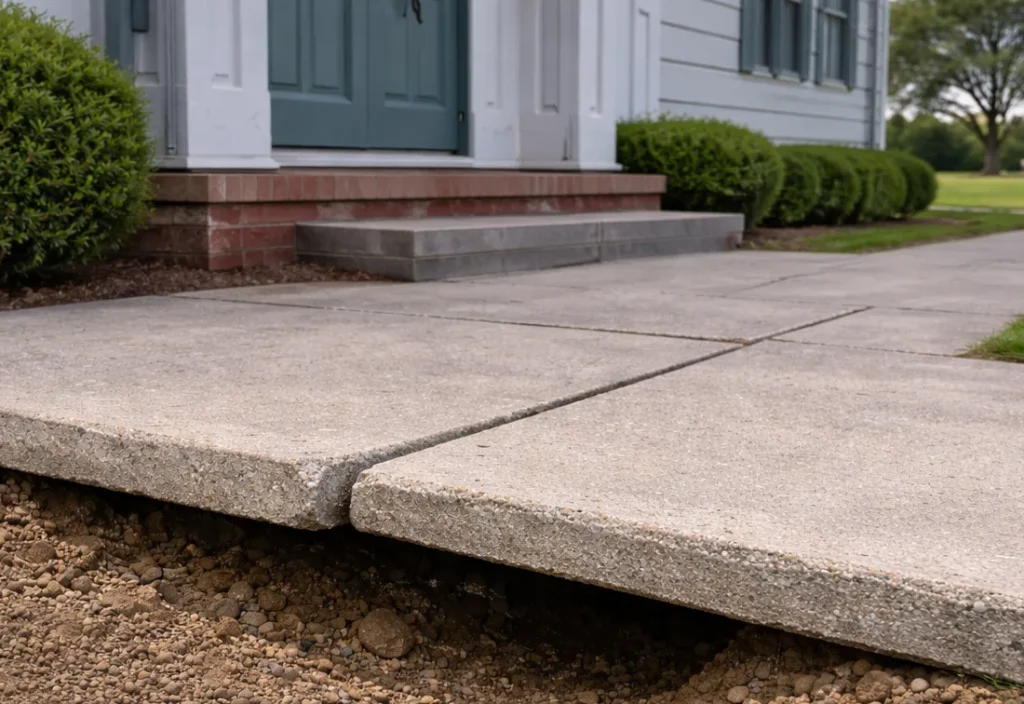
Concrete rarely sinks because the slab itself fails. In most cases, the issue comes from changes in the soil beneath the concrete. When that support system weakens or shifts, the slab loses the ability to distribute weight evenly.
Common causes of sinking concrete include:
Soil Erosion
Rainwater and runoff can wash away fine soil particles beneath the slab. Over time, this erosion creates empty spaces or voids, leaving the concrete unsupported.
Poor Soil Compaction
If the ground was not properly compacted before the slab was poured, the soil may gradually compress under weight. As the soil settles, the concrete above it begins to drop.
Expansive or Weak Soil
Some soils expand when wet and shrink when dry. This repeated movement weakens the ground beneath concrete slabs and contributes to uneven settlement.
Plumbing or Drainage Issues
Underground leaks or poor drainage can soften soil and cause erosion beneath driveways, sidewalks, or patios.
Freeze–Thaw Cycles
In colder climates like Ohio, water trapped in soil expands when it freezes. This movement can disrupt soil stability and accelerate concrete settlement.
Understanding these causes is critical because Concrete Sinking Repair must address the soil conditions—not just the slab itself.
Why Concrete Sinking Can Return After a Repair
Many homeowners assume that once a slab is lifted, the problem is permanently solved. However, a slab can settle again if the underlying conditions that caused the sinking are still active.
Some common reasons sinking returns include:
Water Still Reaching the Soil Beneath the Slab
If downspouts, gutters, or landscape grading direct water toward the concrete, the soil may continue eroding after the repair.
Voids Were Not Fully Stabilized
In some repair methods, the slab is lifted but empty spaces underneath are not completely filled. The slab may then bridge over weak areas and sink again later.
Weak Soil Was Never Reinforced
If the soil beneath the slab remains soft or inconsistent, it cannot reliably support the weight of vehicles or foot traffic.
Poor Repair Planning
Concrete leveling requires a strategic injection plan. Without identifying the true support zones, a repair may correct the visible problem but leave hidden weaknesses beneath the surface.
For long-term success, Concrete Sinking Repair must restore support beneath the slab and prevent future soil movement.
The Difference Between Lifting Concrete and Repairing Concrete Sinking
Not all leveling methods are designed to provide lasting support.
Some traditional approaches simply raise the concrete surface, correcting the visible issue without stabilizing the base below.
Effective Concrete Sinking Repair, however, focuses on two critical outcomes:
- Restoring the slab to a safe, functional height
- Rebuilding consistent support beneath the concrete
When both goals are achieved, the slab can distribute loads evenly across the soil, greatly reducing the chance of future settlement.
Modern Concrete Sinking Repair with Polyurethane Foam
Today, many professional contractors use polyurethane foam leveling to repair sinking concrete.
This method involves injecting high-density expanding foam beneath the slab through small drilled holes. As the foam expands, it fills empty spaces, stabilizes the soil, and gently lifts the concrete back into position.
Benefits of Polyurethane Foam Concrete Leveling
Lightweight but strong
The foam adds minimal weight to the soil while providing excellent support.
Fills voids completely
Expanding foam flows into empty spaces and weak zones beneath the slab.
Quick curing time
Many repairs can be completed in hours, with surfaces ready for use the same day.
Minimal disruption
Small injection holes allow repairs without major demolition or removal.
Long-lasting stabilization
When applied correctly, polyurethane foam creates a stable base that resists future settlement.
Because it lifts and stabilizes simultaneously, this technology has become one of the most reliable solutions for Concrete Sinking Repair in Columbus.
Signs You May Need Concrete Sinking Repair
Homeowners often overlook early warning signs of settlement until the damage becomes severe.
Watch for these indicators that your concrete may be losing support:
- Uneven sidewalks or driveway sections
- Trip hazards between adjacent slabs
- Water pooling on patios or walkways
- Gaps forming along slab edges
- Cracks appearing near slab corners
- Steps or porch slabs pulling away from the house
Addressing these issues early can prevent further sinking and reduce repair costs.
Post-Repair Checklist: How to Prevent Concrete Sinking from Returning
After a slab is repaired, homeowners can take several steps to protect the stability of the soil beneath the concrete.
Maintain Proper Drainage
Gutters should direct water away from the foundation and concrete surfaces.
Extend Downspouts
Water should discharge several feet away from the slab edge to prevent erosion.
Improve Yard Grading
The ground around concrete should slope slightly away from the structure so rainwater flows outward.
Monitor Soil Around the Slab
If soil begins to pull away from the concrete edge, it may indicate erosion beneath the slab.
Seal Joints and Cracks
Keeping joints sealed helps prevent water from migrating beneath the slab.
These preventive measures remove the conditions that often cause Concrete Sinking to reappear.
Why Professional Concrete Sinking Repair Matters
While some homeowners attempt temporary fixes such as patching cracks or filling gaps, these solutions rarely address the real issue beneath the concrete.
Professional repair services provide several advantages:
Accurate Diagnosis
Experienced technicians identify the root cause of settlement, including drainage issues and soil instability.
Strategic Injection Planning
Professionals determine the correct injection points and foam volume to rebuild support beneath the slab.
Controlled Lifting
Specialized equipment allows contractors to lift concrete gradually, reducing the risk of cracking or over-correction.
Long-Term Stabilization
Modern repair techniques restore the slab’s load-bearing support rather than simply improving appearance.
Investing in professional Concrete Sinking Repair ensures the underlying problem is properly addressed.
Concrete Sinking Repair for Different Areas of Your Property
Settlement can occur in many areas around a home or business property.
Driveways
Vehicle weight and water runoff often cause driveway slabs to sink near garage entrances or expansion joints.
Sidewalks
Sidewalk settlement creates trip hazards and may violate local safety regulations.
Patios
Sunken patio slabs can collect water, accelerate cracking, and reduce the usability of outdoor living spaces.
Garage Floors
Settlement inside garages may lead to structural stress and water intrusion.
Pool Decks
Uneven pool decks pose safety hazards and drainage issues.
Each area requires a slightly different repair strategy, making professional evaluation important for successful Concrete Sinking Repair.
When Additional Diagnostics Are Necessary
Some properties experience repeated settlement because the underlying problem is more complex.
Extra diagnostic steps may be required when:
- Large voids exist beneath the slab
- Settlement affects multiple areas of the property
- Utility lines or structural elements complicate drilling locations
- The sinking pattern does not match visible surface damage
Advanced inspection techniques allow contractors to design a more precise repair plan that stabilizes the true cause of settlement.
Early Warning Signs Concrete Sinking Is Returning
Even after a successful repair, homeowners should occasionally monitor their concrete surfaces.
Look for:
- New gaps along expansion joints
- Water collecting in the same area repeatedly
- Minor trip edges reappearing
- Fresh cracks near slab corners
- Soil pulling away from the slab perimeter
Catching these signs early allows repairs to be made before significant damage develops.
Choosing the Right Concrete Repair Contractor
Selecting the right contractor plays a major role in the long-term success of Concrete Sinking Repair.
Ask potential contractors questions such as:
- How do you locate voids beneath the slab?
- What method do you use to stabilize the soil?
- How do you determine injection spacing and foam volume?
- What steps do you recommend to improve drainage after the repair?
A contractor who focuses on soil stabilization and drainage control is more likely to deliver lasting results.
Why Homeowners in Columbus Trust Top Level Ohio
At Top Level Ohio, we specialize in modern polyurethane foam leveling solutions designed to provide long-term stability for residential and commercial concrete surfaces.
Our approach focuses on more than just lifting slabs—we work to restore structural support beneath the concrete, ensuring the repair lasts for years to come.
Our services include:
- Driveway concrete leveling
- Sidewalk and walkway repair
- Patio and pool deck leveling
- Garage floor stabilization
- Void filling and soil stabilization
Every project begins with a careful inspection so we can identify the root cause of settlement and design the most effective repair plan.
Schedule Your Concrete Sinking Repair Inspection
If you notice uneven concrete, trip hazards, or signs of soil erosion around your property, addressing the problem early can prevent more serious damage.
Top Level Ohio provides professional Concrete Sinking Repair in Columbus, OH, along with free inspections and estimates.
Call 614-305-1050 today to schedule your evaluation and restore safe, stable concrete surfaces around your home.