Blog

Latest news from our company

Never stop learning.

Interior Concrete Lifting with Foam Injection: A Cost-Saving Solution for Ohio Homeowners

Concrete lifting using polyurethane foam injection has long been recognized as an effective solution for outdoor concrete surfaces such as driveways, walkways, sidewalks, patios, and porches. However, at Top Level Ohio, we have recently seen a growing demand for interior concrete lifting in Ohio, as homeowners look for reliable solutions to slab settlement issues inside their homes.

Homeowners are discovering that interior concrete leveling can solve serious structural concerns without the disruption, mess, and high cost associated with traditional concrete replacement methods.


Why Interior Concrete Slabs Settle

Many homes in Ohio are built on slab-on-grade foundations, including monolithic slab designs. While durable, these slabs can become vulnerable when subsurface soil is compromised.

One of the most common causes we encounter is underslab washout, often resulting from:

  • Malfunctioning or clogged gutter systems
  • Poor drainage around the home
  • Failing or misdirected drainage lines
  • Water intrusion beneath slab foundations

These same conditions frequently affect home additions, such as sunrooms or attached storage areas, where soil compaction and drainage are often overlooked during construction.

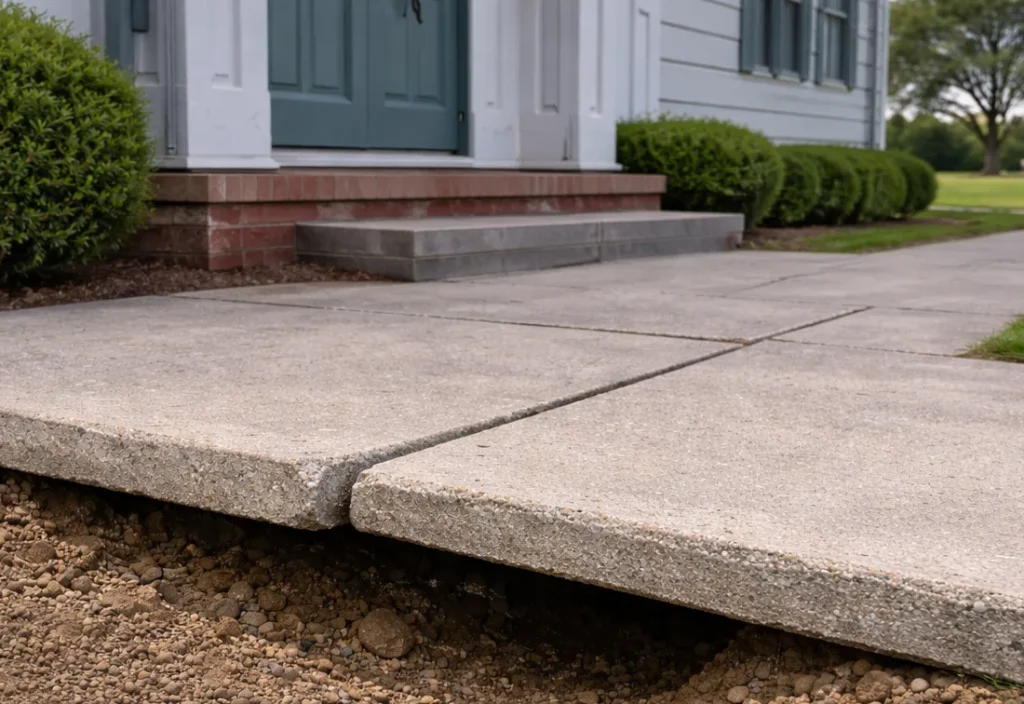
Over time, voids form beneath the slab, leading to uneven floors, cracks, and noticeable settlement inside the home.


Interior Concrete Lifting Using Foam Injection

At Top Level Ohio, interior concrete lifting begins with a thorough inspection and analysis. We do not simply lift concrete; we identify and address the root cause.

Before any lifting work begins, we advise homeowners to correct all drainage issues first. This step is critical to ensure the long-term stability of the slab and prevent future settlement.

Once the environment is properly prepared, our team carefully evaluates the interior space, including:

  • Carpeted floors
  • Ceramic tile
  • Luxury Vinyl Tile (LVT)
  • Finished or occupied living areas

Our priority is to avoid surface damage and minimize disruption throughout the process.


Precision Lifting with Real-Time Monitoring

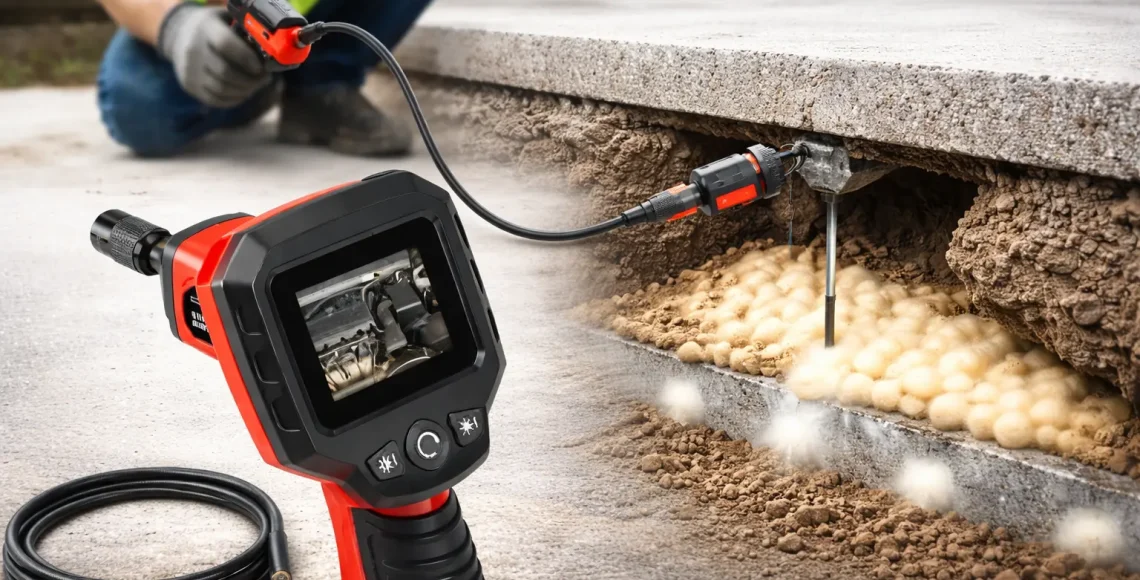
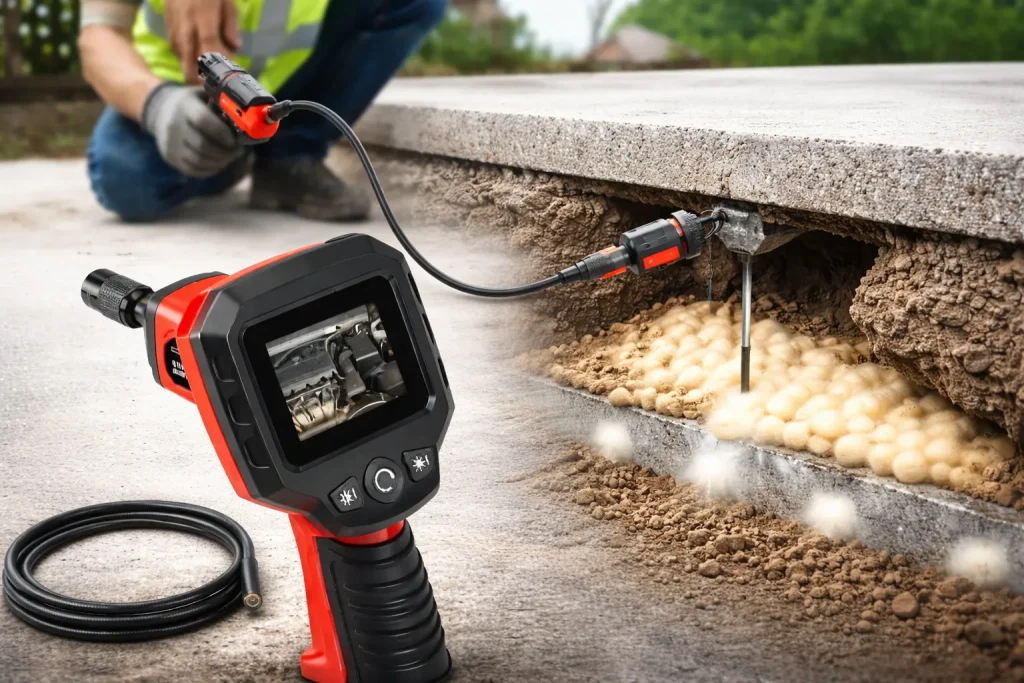
During the lifting process, we install level dials to closely monitor slab movement. Polyurethane foam concrete repair is performed slowly and precisely beneath the slab, allowing us to:

  • Control lift height with accuracy
  • Stabilize weak or voided soil
  • Prevent over-lifting or structural stress

This controlled approach ensures the slab returns to a stable, level position while maintaining the integrity of interior finishes.


Proven Results and Successful Projects

Every interior concrete lifting Ohio project completed by Top Level Ohio has been a success. Homeowners consistently express relief and satisfaction after seeing their floors stabilized without the need for demolition or reconstruction.

Many of our customers are surprised to learn how much money they saved by choosing concrete lifting in Ohio using foam injection over alternatives such as slab replacement or foundation reconstruction.

Their reviews stand as a strong testimony to the effectiveness, efficiency, and value of this solution.


Why Homeowners Choose Top Level Ohio

  • Specialized expertise in interior and exterior concrete lifting
  • Advanced polyurethane foam injection technology
  • Minimal disruption to finished living spaces
  • Cost-effective alternative to concrete replacement
  • Honest diagnostics and solution-first approach
  • Proven results backed by real customer reviews

Real Projects, Real Results

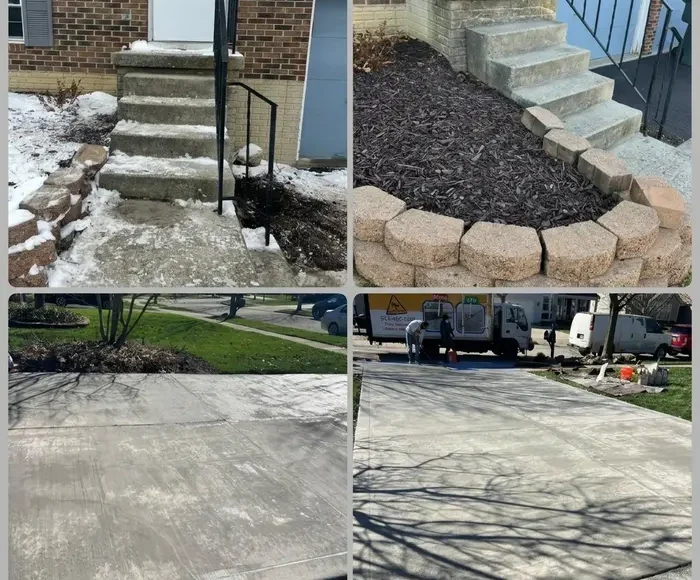
Below are photos and videos from actual interior concrete lifting Ohio projects completed by the Top Level Ohio team. These real-world case studies show how foam injection concrete lifting and polyurethane foam concrete repair successfully stabilized interior slabs, corrected uneven floors, and restored confidence for homeowners dealing with slab settlement inside their homes.


Schedule a Free Interior Slab Evaluation

If you are noticing uneven floors, cracks, or settlement inside your home, do not wait for the problem to worsen. Interior concrete lifting with foam injection may be the most efficient and affordable solution.

Contact Top Level Ohio today at 614-305-1050 to schedule your free estimate ,consultation and analysis,. Let our experience restore the stability of your home from the inside out.

waterproofing solutions in Columbus

Basement Waterproofing in Columbus: Stopping Water Pressure Before It Damages Your Home

A basement doesn’t flood all at once. Most water problems begin quietly—through a thin crack, a damp corner, or a faint musty smell that appears after heavy rain. By the time standing water becomes visible, the damage beneath the surface has often been developing for years. At Top Level Ohio, basement waterproofing is not about reacting to visible water—it’s about controlling the forces that push water into your foundation in the first place.

waterproofing solutions in Columbus

The Hidden Forces Working Against Your Basement

Your basement walls are constantly resisting pressure from the surrounding soil. When the ground becomes saturated, that pressure increases dramatically. In Columbus, this is especially common due to seasonal rain patterns, clay-heavy soil, and aging foundation drainage systems.

When foundation drains clog or lose efficiency, water has nowhere to go. Instead of flowing away from the structure, moisture builds up against the basement walls. This creates hydrostatic pressure, a force strong enough to push water through concrete, mortar joints, and even solid foundation walls over time.

Concrete is strong, but it is not flexible. As pressure increases, the wall finds relief in the weakest point—often in the form of small, hairline cracks.

Why Basement Cracks Should Never Be Ignored

Many homeowners believe that small foundation cracks are cosmetic. In reality, cracks act like open invitations for water. Even cracks too narrow to fit a coin can allow moisture to pass through, especially during prolonged rainfall.

Once water begins to enter:

  • Cracks slowly expand
  • Moisture weakens the surrounding concrete
  • Mold-friendly conditions develop
  • Structural stress increases over time

Ignoring a small leak doesn’t save money—it allows a manageable repair to become a costly structural problem.

Why Traditional Waterproofing Isn’t Always the Best Answer

Interior drainage systems and sump pumps are often marketed as permanent waterproofing solutions. While they can manage water after it enters the basement, they don’t stop water from penetrating the foundation wall itself.

These systems typically require:

  • Cutting channels into the basement floor
  • Installing drainage trenches along the perimeter
  • Relying on mechanical pumps that require maintenance

While effective in certain situations, these methods treat the symptom, not the cause. Water still enters the wall—it’s simply redirected.

At Top Level Ohio, we focus on stopping water at the entry point.

A Smarter Way to Seal Basement Walls

Our waterproofing method is designed to work with the structure—not against it. Instead of excavation or interior trenching, we use a dual-stage injection process that seals foundation cracks from both sides.

Step One: Exterior Crack Sealing Without Excavation

Using a long stainless-steel injection pipe, we inject specialized foam through the foundation wall directly to the exterior side. This allows us to seal the crack where water pressure is highest—without digging up your yard or exposing your foundation.

The foam expands upon injection, filling voids, sealing pathways, and bonding with the surrounding material. Once cured, it forms a flexible, waterproof barrier capable of handling future soil movement.

Step Two: Interior Structural Reinforcement

After sealing the exterior, we address the crack from inside the basement using a combination of foam injection and epoxy. This step reinforces the wall, restores structural integrity, and ensures the crack is permanently sealed.

This inside-and-outside approach provides complete protection—not just temporary relief.

Why Foam Injection Works So Well

Foam injection isn’t just a patch—it’s an engineered solution. Unlike rigid materials, injected foam remains flexible, allowing it to adapt to natural foundation movement without breaking the seal.

Key advantages include:

  • Resistance to water and moisture
  • No shrinkage or breakdown over time
  • Strong bonding with concrete and masonry
  • Ability to withstand soil pressure

Because the repair targets the crack itself, water never enters the basement wall system.

Cost-Effective Without Compromising Results

One of the biggest benefits of this method is cost efficiency. Since there’s no need for:

  • Exterior excavation
  • Interior floor cutting
  • Drainage channel installation

Homeowners save significantly on labor and restoration costs. The repair process is faster, cleaner, and far less disruptive to daily life.

Most projects are completed quickly, allowing homeowners to return to normal use of their basement without extended downtime.

Designed for Columbus Homes

Basements in Columbus face unique challenges due to soil composition, weather patterns, and older construction methods. A one-size-fits-all waterproofing approach simply doesn’t work.

Top Level Ohio evaluates each basement individually, considering:

  • Soil pressure levels
  • Drainage performance
  • Crack location and direction
  • Signs of ongoing structural movement

This engineering-based evaluation ensures the solution fits the problem—not the other way around.

Proven Results Through Real Projects

Top Level Ohio has successfully completed numerous basement waterproofing projects throughout Columbus, achieving consistent, long-lasting results. Homeowners often notice immediate improvement—not only in dryness, but in air quality and overall basement usability.

A dry basement becomes usable space, protected storage, and a stronger foundation system overall.

Free Consultation Backed by Engineering Experience

Every project begins with a free consultation, professional analysis, and free estimate. We take the time to explain what’s happening behind your walls, why the issue developed, and how our solution addresses it permanently.

No pressure. No unnecessary upselling. Just clear information and a smart repair plan.

Take Action Before Water Takes Control

Water intrusion rarely improves on its own. Pressure builds, cracks grow, and repairs become more complex over time. Early intervention protects your foundation, your investment, and your peace of mind.

If your basement shows signs of moisture or foundation cracking, it’s time to act.

📞 Call Top Level Ohio today
614-305-1050
Schedule your free inspection and personalized waterproofing plan.

Columbus winter concrete damage

Columbus Winter Snow Damage: How Freeze Destroy Concrete and How Top Level Ohio Restores It Quickly

Columbus winters bring more than cold temperatures and beautiful snowfall—they bring some of the toughest conditions a home’s concrete surfaces will ever face. Heavy snow accumulation, ice melt, rapid temperature swings, and repeated freeze–thaw cycles cause hidden soil movement and structural stress beneath driveways, sidewalks, patios, and garage floors.

For many homeowners in Columbus, winter damage doesn’t appear immediately. It builds slowly under the surface, only becoming visible once the snow melts. Suddenly, a driveway that looked fine in November is cracked, sinking, or uneven by early March. A sidewalk that once looked perfect now has dangerous trip hazards. A patio begins tilting toward the home, directing water toward the foundation.

This article breaks down exactly how Columbus snow and winter weather damage your concrete, what signs to watch for, and why Top Level Ohio’s polyurethane leveling is considered one of the most reliable solutions for winter-related concrete settlement.

Columbus winter concrete damage

Why Columbus Winters Cause Serious Concrete Damage

Columbus sits in a climate region where snow, ice, rain, and constant temperature changes stress concrete more than most people realize.

Here are the main winter factors that weaken concrete and the soil beneath it.


1. Freeze–Thaw Cycles Expand and Contract the Ground

Columbus often experiences dramatic temperature swings—from freezing nights to above-freezing afternoons. When moisture in the soil freezes, it expands. When it thaws, it contracts.

This constant push-pull effect causes:

  • Soil shifting
  • Voids forming under slabs
  • Cracks in the concrete surface
  • Slab movement and tilting

Even small temperature changes can cause noticeable settlement by springtime.


2. Snowmelt Saturates Soil Beneath Driveways and Sidewalks

After heavy snowfalls, melting snow releases a large amount of water into the soil. If the ground is already frozen, the water has nowhere to go and starts flowing under the slab instead of downward.

This leads to:

  • Soil washout
  • Underground voids
  • Unsupported slabs that sink or tilt

Driveways are especially vulnerable due to their large surface area.


3. Road Salt Accelerates Concrete Deterioration

In Columbus, road salt use is unavoidable during winter. But salt increases the amount of water that penetrates the concrete surface, weakening it over time.

Salt-heavy moisture:

  • Seeps into cracks
  • Expands when refrozen
  • Corrodes the concrete structure

Salt doesn’t only damage the concrete—it makes the soil beneath it more prone to erosion.


4. Ice Expansion Beneath Slabs Pushes Concrete Upward

When water becomes trapped under a slab and freezes, it expands. This “frost heave” lifts sections of the concrete upward. When temperatures rise, the slab drops unevenly, causing misalignment.

Common signs of frost heave include:

  • Raised corners on sidewalks
  • Driveway panels at different heights
  • Uneven garage floors

Once the slab settles unevenly, it will continue shifting unless the soil is stabilized.


Winter Damage Warning Signs Columbus Homeowners Should Watch For

Most concrete problems show up after snow begins melting. The following symptoms typically indicate freeze–thaw damage or winter erosion.

1. New or widened concrete cracks

Cracks often appear deeper and wider after a winter season because freezing water expands inside them.

2. Sunken or unlevel driveway sections

This is caused by melting snow washing out soil beneath the slab.

3. Sidewalk trip hazards

Frost heave lifts some sidewalk sections while others remain in place.

4. Water pooling on the driveway or patio

Standing water means the slab is no longer level due to winter soil movement.

5. Gaps between the slab and your house

Snowmelt erosion pulls soil away from the foundation.

6. Garage floor settlement

Fluctuating winter moisture weakens subsoil beneath garage slabs.

If you notice any of these issues in early spring—or even during winter warm-ups—it’s a strong sign of serious underlying soil problems.


Why Columbus Homeowners Experience More Concrete Damage Than Expected

Columbus is in a unique weather zone that mixes snow, freezing rain, sleet, and rapid thawing. This combination is more damaging than heavy snow alone.

Additional factors include:

• Clay-heavy and moisture-sensitive soils

Large parts of Columbus sit on expansive clay soils that shift dramatically with moisture changes.

• Older residential developments

Many homes built 30–50 years ago have compacted soil that is breaking down over time.

• Increased winter rain

In recent years, Columbus winters have delivered more rain than snowfall, creating pools of water that seep under slabs and freeze.

• Heavy salting of neighborhood roads

Runoff from salted roads flows across driveways and sidewalks, promoting cracking and erosion.

These conditions make concrete leveling and soil stabilization especially important for long-term stability.


The Best Fix for Winter Concrete Damage: Polyurethane Foam Leveling

Top Level Ohio specializes exclusively in polyurethane foam injection, a modern method that lifts, levels, and stabilizes concrete affected by winter weather.

Here’s why this solution is ideal for Columbus freeze–thaw damage.


1. Polyurethane Fills Voids Created by Snowmelt and Frost Heave

Winter conditions often create hidden air pockets beneath concrete. Polyurethane expands to fill and strengthen these voids, restoring full support.

2. It Lifts Sunken Concrete Back Into Place

As the foam expands, it raises the slab with precision—far more accurately than older methods like mudjacking.

3. The Material Is Waterproof and Winter-Resistant

Polyurethane does not absorb moisture. It will not freeze, thaw, crack, or wash away—making it the best long-term solution for winter climates.

4. Lightweight Yet Extremely Strong

Unlike mudjacking slurry, polyurethane does not add pressure to the soil. It strengthens the sub-base instead of weighing it down.

5. Fast Same-Day Results

The foam cures within minutes, even in cold temperatures. Your driveway or sidewalk can be used the same day.

6. Protects Against Future Winter Damage

By stabilizing the soil, polyurethane prevents repeat settlement during future freeze–thaw cycles.


How Top Level Ohio Repairs Columbus Winter-Damaged Concrete

Top Level Ohio follows a streamlined process designed to minimize disruption and deliver long-lasting results.

Step 1: Winter Damage Assessment

We inspect the slab, identify freeze–thaw effects, and locate voids caused by snowmelt or soil expansion.

Step 2: Micro-Drilling of Injection Points

Small holes—smaller than a penny—are drilled strategically for foam injection.

Step 3: Polyurethane Foam Injection

The expanding foam fills voids, strengthens soil, and lifts concrete back into position.

Step 4: Surface Crack Sealing (Optional)

Any stress cracks from winter damage are sealed to prevent water penetration next season.

Step 5: Final Stabilization

The foam hardens within minutes and creates a waterproof, resilient sub-base.


Most Common Columbus Surfaces Affected by Snow and Ice

Driveways

Winter runoff and freezing soil cause sinking and cracking.

Sidewalks

Frost heave raises panels, creating dangerous height differences.

Patios

Snowmelt pushes water beneath the slab, causing tilting and settlement.

Garage Floors

Temperature swings weaken the soil beneath garage slabs.

Basement Slabs

Moisture infiltration causes movement and cracking over the winter.

If these surfaces are left unaddressed, damage usually worsens the following winter.


How Columbus Homeowners Can Prevent Winter Concrete Damage

Once your slabs are leveled and stabilized, maintenance is key. Here’s how Columbus homeowners can reduce future issues.

  • Clear snow quickly to prevent meltwater infiltration
  • Seal cracks before winter to keep water out
  • Ensure downspouts drain far from concrete
  • Avoid piling snow directly against driveways or sidewalks
  • Maintain proper grading to direct water away
  • Consider foam leveling before winter if the slab already shows minor sinking

Proactive steps go a long way toward reducing freeze–thaw stress.


Top Level Ohio: Columbus’s Trusted Winter Concrete Repair Specialists

Winter in Columbus puts major stress on concrete surfaces, but you don’t have to wait until spring to solve the problem. Top Level Ohio provides fast, long-lasting, and winter-proof polyurethane leveling that restores safety and prevents future damage.

Why Columbus Homeowners Choose Top Level Ohio

  • Fast same-day lifting
  • Environmentally friendly materials
  • No heavy equipment
  • Affordable alternative to replacement
  • Durable, waterproof, long-term stability
  • Expert assessment tailored to Columbus soil and winter conditions

Whether your driveway has sunk, your sidewalk is uneven, or your patio shifted after snow and ice, Top Level Ohio can restore it quickly and correctly.


Get a Free Winter Damage Inspection Today

📞 Call: 614-305-1050
Top Level Ohio offers free assessments and honest recommendations for repairing concrete damaged by Columbus snow, ice, and freeze–thaw cycles.

Trip Hazard Laws in Ohio: How Uneven Concrete Can Lead to Liability and How to Fix It Fast

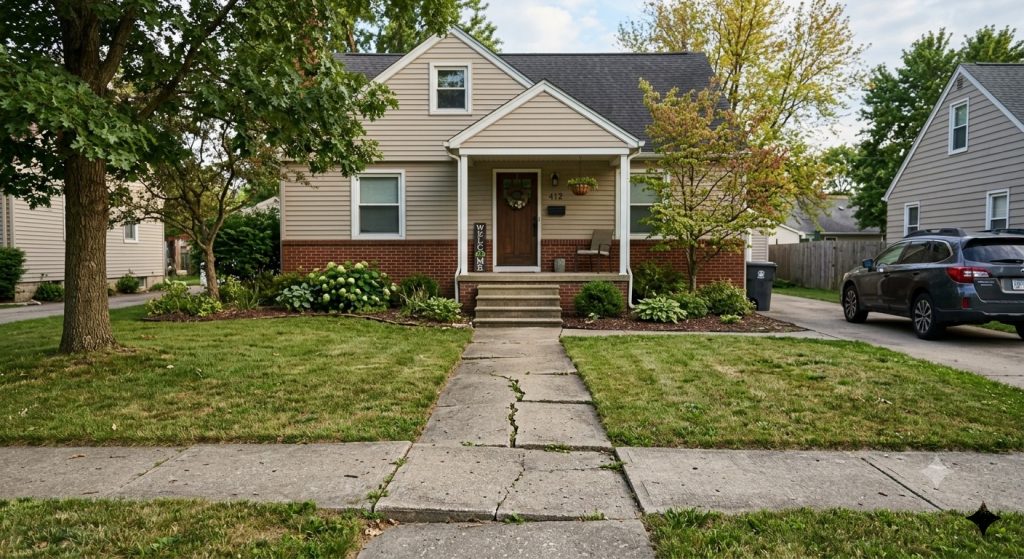
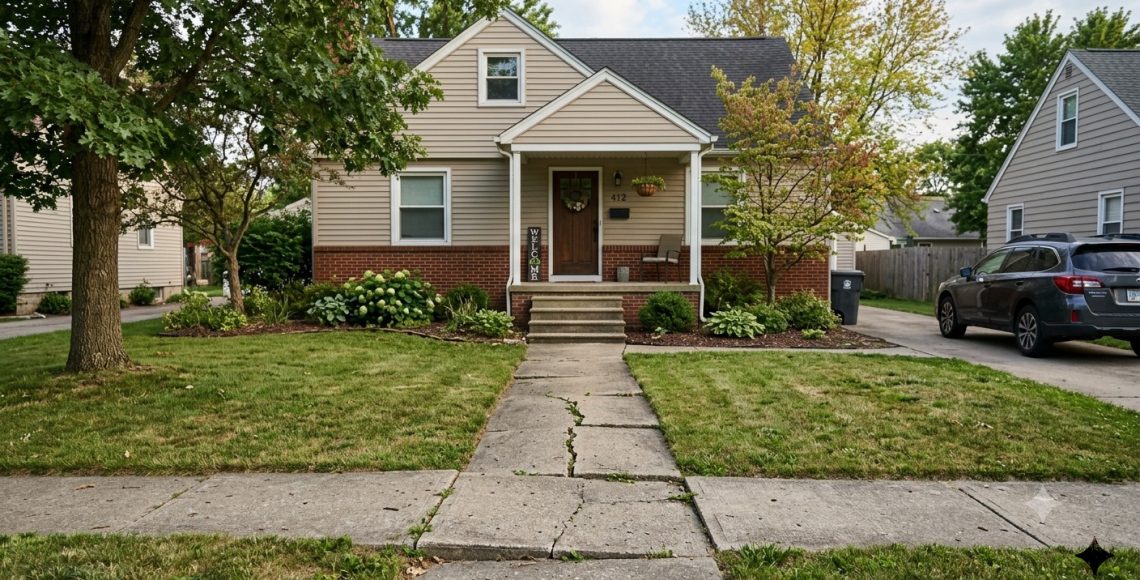
Uneven sidewalks and sinking concrete slabs are a serious safety risk—and in many cases, a direct legal liability. In Ohio, especially in cities like Columbus, any raised or settled slab can qualify as a trip hazard. For homeowners, HOAs, and commercial property owners, ignoring these hazards increases the risk of lawsuits, insurance claims, and citations.

This guide explains how trip hazard laws work, who is responsible, why sidewalk trip hazard repair Ohio is becoming essential, and why polyurethane leveling is the fastest and most cost-effective fix.

Trip Hazard Laws in Ohio

What Counts as a Trip Hazard in Ohio?

Ohio follows general ADA guidelines, which identify a trip hazard as:

  • Any vertical change over ¼ inch on a walking surface

Local Ohio municipalities—Columbus, Westerville, Grove City, Dublin, Hilliard—use this standard when issuing citations and evaluating property maintenance.

Even a small ½-inch rise can trigger responsibility and create a potential claim, making sidewalk trip hazard repair Ohio a critical service for property owners.


Who Is Responsible? Understanding Ohio Liability

Liability depends on the type of property:

1. Ohio Homeowners

Ohio cities often require homeowners to maintain the public sidewalk adjacent to their property. If someone trips, the homeowner can share or fully bear responsibility.

2. HOAs

Homeowners Associations are responsible for:

  • Community sidewalks
  • Shared pathways
  • Clubhouse entries
  • Pool deck walkways

If an HOA delays repairs, it can face negligence claims from residents or visitors. Fast and proper sidewalk trip hazard repair Ohio helps avoid these disputes.

3. Commercial Properties

Businesses, property management companies, and landlords in Ohio face the highest liability. Raised sidewalks, damaged walkways, and uneven entrances fall under Ohio’s Duty-of-Care requirements.

Slip-and-fall claims in Ohio commercial locations can reach $15,000–$45,000, and higher if elderly individuals are involved.

This is why many commercial sites now prioritize scheduled sidewalk trip hazard repair Ohio as part of their safety compliance plans.


What Causes Trip Hazards in Ohio?

Ohio’s climate and soil conditions create an environment where concrete easily shifts. The most common causes are:

Freeze–Thaw Cycles

Columbus can experience dozens of freeze–thaw cycles each year. As the soil expands and contracts, concrete slabs lift or sink.

Clay-Rich Columbus Soil

Much of Central Ohio sits on expansive clay, which becomes unstable when saturated. This leads to voids and uneven sidewalks.

Erosion

Heavy rainfall or poor drainage washes out the base beneath the concrete.

Tree Roots

Roots can push up slabs, making them unsafe.

Each of these issues creates trip hazards that require prompt sidewalk trip hazard repair Ohio to restore uniform walking surfaces.


Legal and Financial Consequences of Ignoring Trip Hazards

Neglecting uneven concrete exposes property owners to several risks:

1. Injury Claims

Slip and fall incidents can lead to:

  • Medical bills
  • Lost wages
  • Attorney fees
  • Pain and suffering compensation

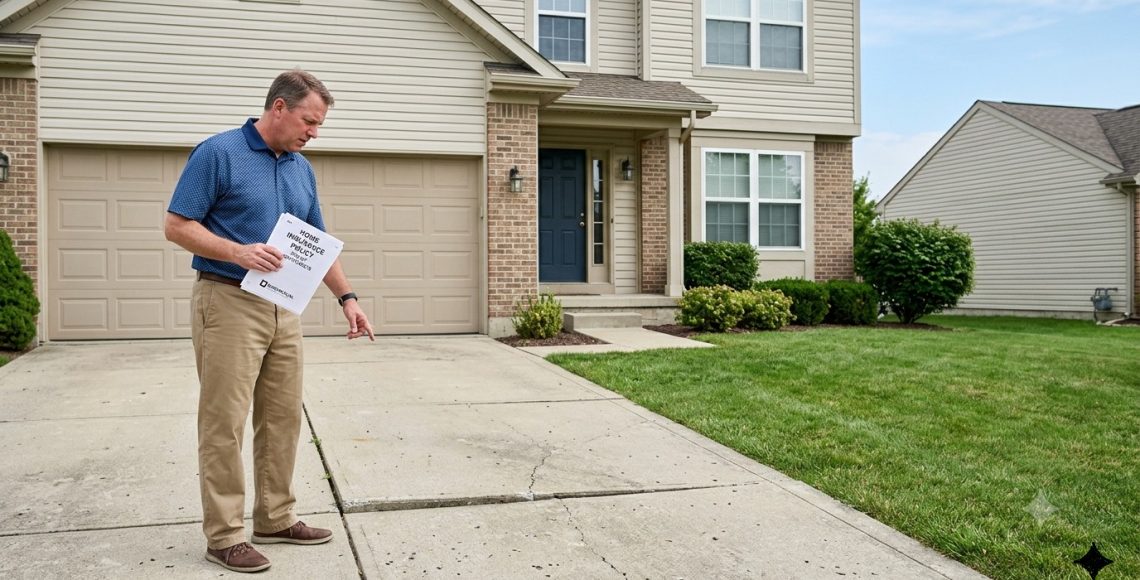
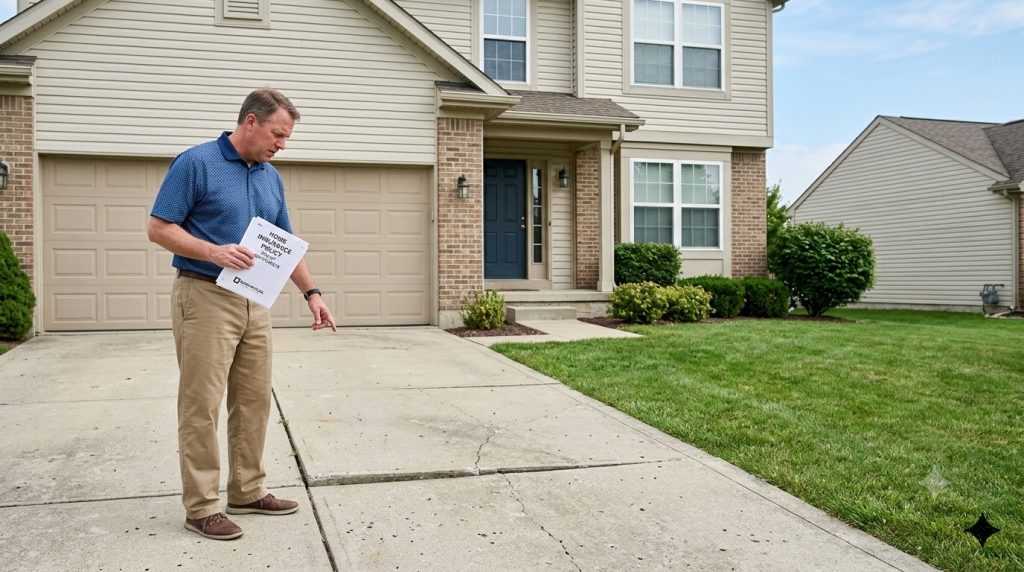
Insurance companies often deny coverage if a hazard was ignored.

2. HOA Liability

Residents can sue their HOA for failure to maintain safe walkways.

3. City Citations

Cities across Ohio can issue notices requiring sidewalk repairs within a specific timeframe.

4. Property Value Decrease

Potential buyers view uneven concrete as a sign of larger structural or drainage issues.

5. ADA Non-Compliance for Businesses

Failing to maintain accessible walkways can trigger:

  • Federal penalties
  • Mandatory upgrades
  • Loss of ADA compliance status

The simplest way to avoid these issues is timely sidewalk trip hazard repair Ohio using safe, long-term methods.


Why Polyurethane Leveling Is the Best Fix in Ohio

Traditional concrete replacement is slow, messy, and expensive. Polyurethane foam lifting has become the preferred solution across Ohio because it provides fast, precise results.

How Polyurethane Lifting Works

  1. Small holes are drilled into the slab.
  2. Expanding polyurethane foam is injected.
  3. The foam fills voids, lifts the slab, and stabilizes the soil.
  4. The area is walkable in minutes.

Benefits for Ohio Conditions

  • Perfect for Ohio’s clay soil
  • Ideal for freeze–thaw stability
  • Quick curing for minimal disruption
  • Precision lifting for ¼–2-inch hazards
  • Long-term soil stabilization
  • Cost-effective compared to full replacement

This makes polyurethane an excellent choice for residential homeowners, HOAs, and commercial properties that require sidewalk trip hazard repair Ohio done quickly and professionally.


When Ohio Property Owners Should Schedule Repair

You should request an inspection if:

  • A slab is lifted more than ¼ inch
  • There are visible voids under a sidewalk
  • The walkway slopes or tilts
  • Erosion is appearing at slab edges
  • Trip complaints have occurred
  • A city notice was issued

If hazards exist, immediate sidewalk trip hazard repair Ohio is recommended to prevent incidents or liability.


Why Top Level Ohio Is the Trusted Local Expert

Top Level Ohio specializes in polyurethane leveling designed for Ohio’s soil and weather conditions. We provide:

  • Residential concrete lifting
  • HOA walkway and sidewalk leveling
  • Commercial trip hazard removal
  • Fast, affordable, long-lasting solutions
  • Minimal disruption to residents and businesses

Our approach ensures safe walkways, reduced liability, and improved property value—all through proven sidewalk trip hazard repair Ohio techniques.


Final Thoughts

Trip hazards pose a serious legal and financial risk to Ohio property owners. Whether it’s a single uneven sidewalk slab or multiple walkway issues across an HOA or commercial property, fast action is critical.

Polyurethane leveling offers one of the fastest and most reliable ways to eliminate hazards and restore safety. For anyone responsible for maintaining safe pedestrian areas, investing in professional sidewalk trip hazard repair Ohio is not just smart—it’s essential.

How Concrete Lifting Increases Property Value Before Selling Your Home

Introduction: A Solid Foundation for a Higher Home Value

When preparing to sell your home in Ohio, most homeowners think about fresh paint, modern fixtures, or upgraded landscaping. Yet one area that often goes unnoticed—but significantly impacts curb appeal and resale value—is your concrete surfaces.
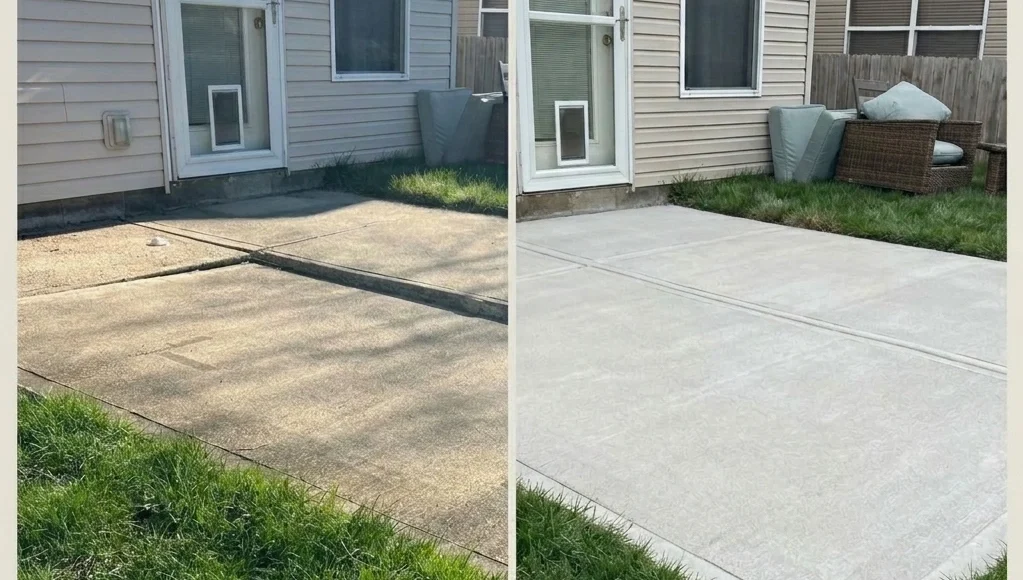
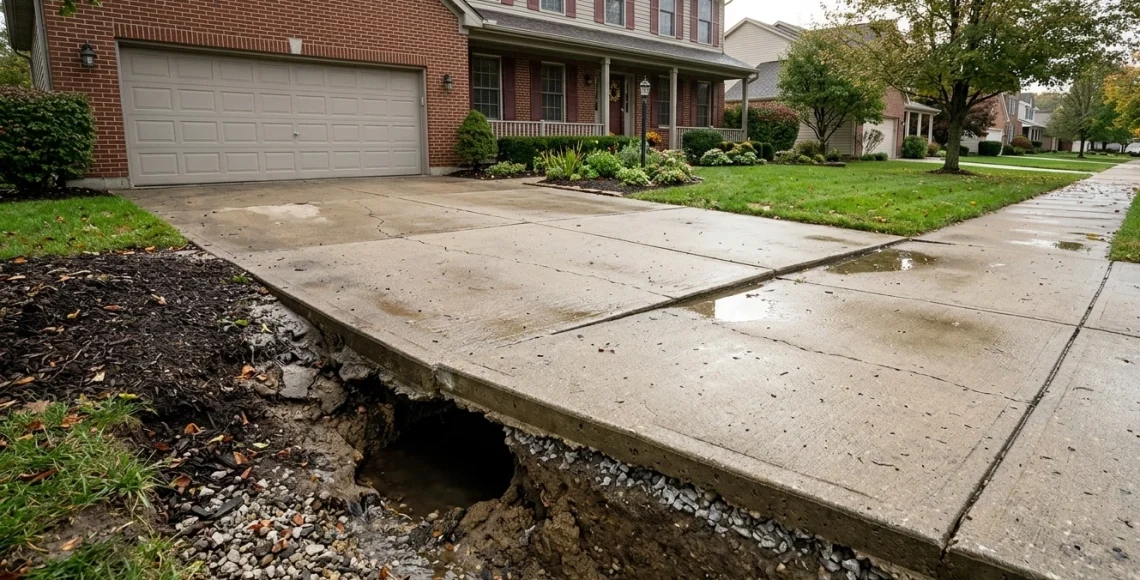
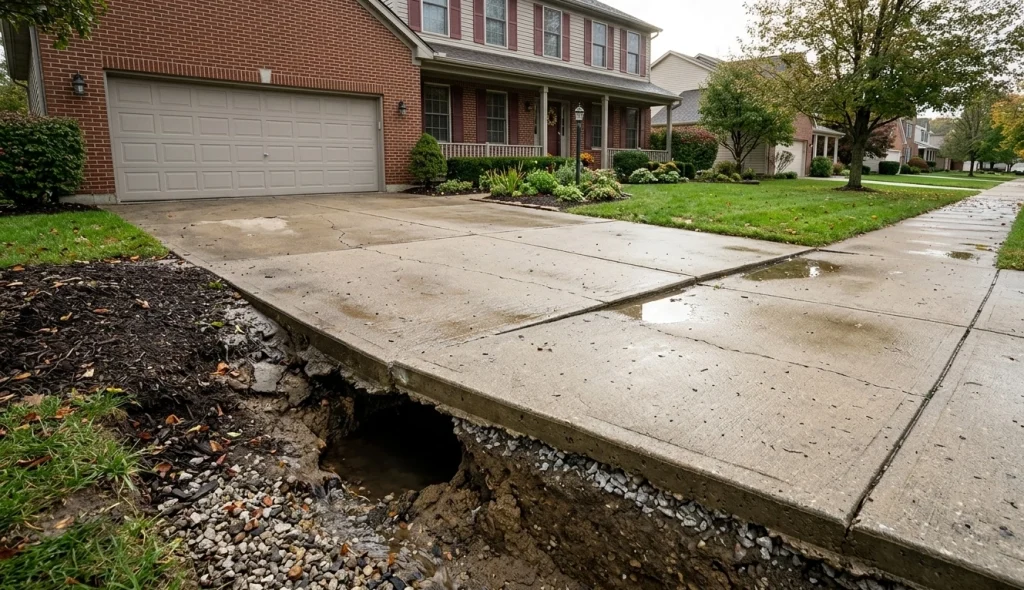
Cracked, uneven, or sunken driveways and patios can instantly lower a buyer’s first impression and raise concerns about foundation or drainage issues. Fortunately, there’s a quick, cost-effective solution: concrete lifting near me in Ohio.

Professional concrete lifting restores the appearance and structural integrity of your property without the high cost of full replacement. More importantly, it helps you sell faster and often at a higher price.


The Problem: How Uneven Concrete Hurts Your Home’s Value

Uneven or settled concrete isn’t just an eyesore—it’s a red flag for potential buyers.
In a competitive Ohio real estate market, even minor flaws can make your property stand out for the wrong reasons.

Common issues caused by concrete settlement include:

  • Visible cracks and sinking slabs in driveways or walkways
  • Water pooling near the foundation or garage
  • Trip hazards and safety concerns for buyers
  • Reduced curb appeal and lower perceived property quality

A buyer seeing a sunken driveway may assume larger structural issues are lurking beneath the surface, making them hesitant—or prompting them to lower their offer.


Why Concrete Lifting Near Me in Ohio Is the Smarter Alternative to Replacement

Traditional concrete replacement can be expensive, time-consuming, and disruptive. Demolishing and re-pouring concrete often costs double or triple what professional concrete lifting near me in Ohio would.

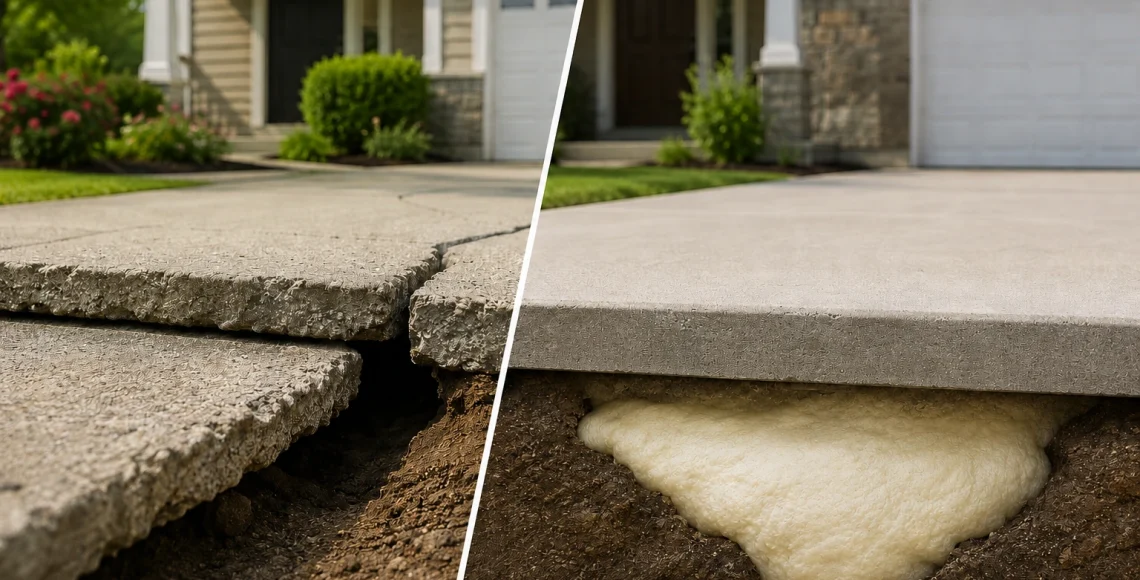
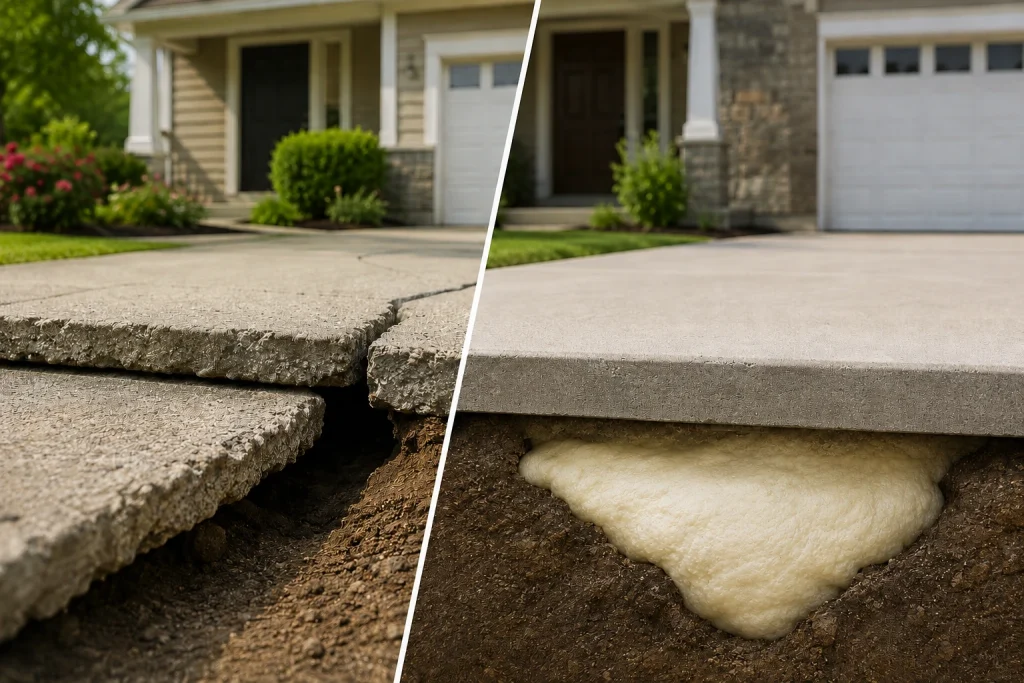
Concrete lifting (also called polyurethane lifting or slab jacking) involves injecting high-density polyurethane foam beneath the sunken concrete. The foam expands to lift the slab back to its original position, filling voids and stabilizing the soil below.

Benefits of choosing concrete lifting near me in Ohio before selling include:

  • Cost efficiency: Typically 50–70% cheaper than replacement.
  • Quick completion: Most jobs are done in just a few hours.
  • Instant usability: You can walk or drive on lifted concrete within minutes.
  • Long-lasting results: The foam used is waterproof, durable, and designed to resist future soil movement.
  • Minimal disruption: No demolition, noise, or dust to frustrate neighbors or buyers.

The Science Behind Polyurethane Concrete Lifting

At Top Level Ohio, we use advanced polyurethane foam injection to lift and stabilize settled concrete surfaces. The process is both simple and precise:

  1. Assessment – Our team inspects the affected concrete and determines the cause of settlement (soil erosion, water infiltration, or voids).
  2. Drilling small holes – Tiny holes, about the size of a penny, are drilled strategically into the slab.
  3. Foam injection – Expanding polyurethane foam is injected beneath the slab. As it expands, it gently raises the concrete back to level.
  4. Sealing and finishing – The holes are patched, leaving a clean and restored surface that looks brand new.

This innovative technology not only improves aesthetics but also strengthens the structural foundation, reassuring potential buyers that the property is well-maintained.


How Concrete Lifting Near Me in Ohio Enhances Curb Appeal

Curb appeal can make or break a sale. The moment buyers pull up to your home, they’re evaluating its condition.
Clean, level concrete surfaces show that your home has been cared for and properly maintained—giving buyers confidence even before stepping inside.

Concrete lifting near me in Ohio enhances curb appeal by:

  • Smoothing uneven driveways and entryways
  • Eliminating cracks and gaps between slabs
  • Preventing water damage and staining
  • Making outdoor areas like patios and walkways safer and more inviting

A leveled driveway instantly transforms a property from “needs work” to “move-in ready.” This improvement can influence both appraisers and buyers, leading to stronger offers.


Adding Long-Term Structural Value

While the visual impact is immediate, concrete lifting near me in Ohio also contributes to the long-term health of your property.
Uneven concrete often indicates underlying soil instability—a problem that can worsen over time and impact your foundation. By stabilizing the soil and filling voids, polyurethane lifting prevents future settlement and costly repairs.

This proactive step signals to buyers that you’ve invested in preventative maintenance, a powerful selling point in Ohio’s property market. Many real estate agents note that small improvements like this can yield large returns when it’s time to sell.


Comparing ROI: Concrete Lifting vs. Other Home Improvements

When preparing your home for sale, every dollar counts. Kitchen remodels, landscaping, and new flooring are all popular improvements—but not all offer the same return on investment (ROI).

Here’s how concrete lifting near me in Ohio stacks up:

Improvement TypeAverage CostTypical ROITime to Complete
Concrete Lifting Near Me in Ohio$800–$2,00080–100%1 day
Driveway Replacement$4,000–$8,00050–60%1–2 weeks
Landscaping$2,000–$5,00070–90%3–7 days
Exterior Painting$3,000–$6,00055–80%3–5 days

Concrete lifting offers one of the highest ROI rates among pre-sale home improvements because it’s affordable, fast, and visibly improves the exterior.


How Buyers View a Leveled Driveway or Patio

Modern buyers in Ohio are increasingly cautious. They inspect every detail of a property before making an offer, often hiring home inspectors to uncover hidden issues.
When they see level, stable concrete surfaces, it sends a strong message: the home has been properly maintained from the ground up.

It also helps avoid potential inspection red flags. Appraisers and inspectors often note uneven driveways, sinking slabs, or drainage issues in their reports—problems that can reduce appraisal value or delay closings.
Concrete lifting near me in Ohio eliminates those concerns upfront, creating smoother transactions and stronger buyer confidence.


Environmentally Friendly and Non-Invasive Solution

Top Level Ohio takes pride in offering an eco-friendly concrete repair method. The polyurethane foam used in our lifting process is environmentally safe, inert, and requires minimal material compared to full replacement.

Unlike tearing out and replacing slabs—which sends tons of debris to landfills—concrete lifting near me in Ohio reuses your existing concrete, reducing waste and preserving resources.
It’s a green solution that aligns with sustainable home improvement trends, another selling advantage for eco-conscious buyers.


Why Choose Top Level Ohio

When you’re preparing to sell your home, time and quality matter. Top Level Ohio specializes in polyurethane concrete lifting near me in Ohio, serving homeowners across the state with reliable, long-lasting solutions.

Why Ohio homeowners trust us:

  • Experienced technicians specializing in foam injection
  • Quick, clean, and cost-effective results
  • Advanced polyurethane technology designed for Ohio’s soil and climate
  • Commitment to customer satisfaction and safety
  • Proven track record of raising property values before sale

We understand that selling a home can be stressful, so we focus on delivering fast, professional results that make your property market-ready with minimal disruption.


Final Thoughts: Level Up Your Property Before You Sell

Before listing your home, take a moment to inspect your driveway, patio, and walkways.
If you notice uneven slabs, cracks, or sinking concrete, addressing these issues now can make a measurable difference when it’s time to sell.

Professional concrete lifting near me in Ohio not only improves appearance—it strengthens your property’s foundation, enhances safety, and increases buyer confidence.
By partnering with Top Level Ohio, you’re choosing a trusted team that delivers lasting value through precision, innovation, and care.


Call to Action

Ready to boost your home’s value before selling?
Contact Top Level Ohio today at 614-305-1050 to schedule your free estimate and see how concrete lifting near me in Ohio can transform your property’s appearance, safety, and resale potential.

Top Level Ohio — Raising concrete, raising value.

Thermal and Environmental Dynamics of Polyurethane Foam Expansion in Ohio Soil Stabilization Projects

Thermal Dynamics of Polyurethane Foam Expansion in Columbus Soil Conditions

In the heart of Columbus, Ohio, where temperature fluctuations and mixed soil types challenge every construction project, polyurethane foam stabilization has become a proven solution for long-lasting concrete and foundation repair. Yet, behind every successful lift or soil stabilization project lies a highly technical process — one that depends heavily on thermal dynamics.

Polyurethane foam reactions are inherently exothermic, meaning they generate heat as they expand and cure. Understanding how local thermal conditions — from cold winters to humid summers — affect this process is critical to achieving uniform results. This article explores the thermochemical principles behind polyurethane soil stabilization and how Top Level Ohio applies engineering-level control to deliver consistent, durable performance beneath Columbus properties.

Thermal and Environmental Dynamics of Polyurethane Foam Expansion in Ohio Soil Stabilization Projects

1. Chemical Kinetics of Polyurethane’s Exothermic Reaction

Polyurethane foam is created when two components — an isocyanate and a polyol — mix and react. This reaction generates carbon dioxide, causing rapid expansion while producing heat. The process can raise the local temperature of the reaction zone by more than 120°F (50°C), even underground.

In Columbus’s climate, where soil temperature ranges from 40°F in winter to 80°F in summer, the exothermic balance changes dramatically.

  • In cooler soil, the foam expands more slowly, leading to a denser structure and reduced spread.
  • In warmer soil, expansion occurs faster, but the foam may form larger cell structures with slightly reduced density.

Top Level Ohio’s technicians monitor these reaction dynamics carefully, adjusting component temperature, ratio, and injection rate to stabilize performance across different seasonal conditions.


2. Soil Temperature Gradients and Expansion Uniformity

The thermal gradient in soil — how temperature changes with depth — directly influences polyurethane expansion uniformity. Columbus soils typically consist of a mix of clay and loam, which retain moisture and temperature differently depending on depth.

At a shallow depth (less than 2 feet), soil temperatures fluctuate sharply with weather. Deeper layers, however, maintain relatively stable temperatures year-round.
This gradient can cause uneven foam expansion unless properly managed.

Top Level Ohio addresses this by:

  • Pre-heating or conditioning injection materials during cold months.
  • Using temperature-calibrated reaction models to predict expansion ratios.
  • Deploying thermal probes to measure subgrade temperature before injection.

By matching foam kinetics to the real-time soil temperature profile, the company ensures consistent lift and density — even across large slabs.


3. Managing Injection Pressure in Varying Thermal Zones

Injection pressure plays a critical role in controlling how polyurethane foam expands through the soil matrix. When the foam encounters colder or wetter zones, resistance increases, often requiring higher injection pressures to maintain flow and reach.

In the Columbus winter, soil near the surface can be partially frozen or saturated. Injecting polyurethane under these conditions demands careful control. Excess pressure risks fracturing the soil or over-lifting slabs; too little, and the foam may not fill voids completely.

Top Level Ohio uses pressure-compensated injection systems, which adapt to real-time resistance readings. This dynamic control allows technicians to:

  • Maintain optimal expansion pressure across thermal boundaries.
  • Ensure uniform density and complete void filling.
  • Avoid stress concentrations that might later cause uneven settling.

This adaptive approach prevents “thermal banding” — areas where foam expands inconsistently due to temperature variations underground.


4. Seasonal Data: Summer vs. Winter Injection Performance in Columbus

A comparative analysis of foam performance across seasons reveals how Columbus’s environment affects stabilization results.

ConditionAverage Soil TempReaction SpeedExpansion RatioResult
Winter (Jan–Feb)38°F–45°FSlower1.6xHigher density, less spread
Spring (Apr–May)55°F–60°FModerate2.0xBalanced expansion, uniform cure
Summer (Jul–Aug)75°F–80°FFast2.5xSlightly larger cell structure
Fall (Oct–Nov)55°F–65°FModerate2.0xStable performance

During cold months, foam density increases — beneficial for structural lifting where strength matters most. In summer, expansion is more efficient for larger voids or soil stabilization projects.
Top Level Ohio adjusts component viscosity and reaction rates seasonally to achieve consistent results regardless of external temperature shifts.


5. Foam Cell Structure and Subsurface Thermal Behavior

The microstructure of polyurethane foam determines its load-bearing and water-resistant properties. Each cell forms as gas expands within the polymerizing resin — and the size, shape, and uniformity of these cells depend heavily on local temperature and humidity.

In humid Columbus summers, excess moisture can interact with isocyanates, producing additional CO₂ and slightly altering cell geometry. If unmanaged, this can lead to softer foam or irregular density.

Top Level Ohio prevents this by:

  • Using low-moisture injection systems and closed-loop barrels.
  • Calibrating reactive catalysts that moderate gas generation under humid conditions.
  • Implementing multi-stage curing cycles to promote smaller, uniform cell structures.

The result: a stable foam matrix capable of supporting heavy concrete slabs even during freeze-thaw cycles common in Central Ohio.


6. Thermal Stress and Curing Control

As the foam cures, it transitions from a liquid to a semi-solid and finally a rigid structure. The internal temperature of the reaction zone can exceed 150°F briefly, causing localized thermal stress.

If cooling happens too quickly (as in winter), differential contraction can cause internal micro-cracks. Conversely, in hot soil, slow cooling can prolong curing, reducing overall stability.

Top Level Ohio utilizes controlled curing protocols, which include:

  • Thermal staging, injecting in smaller volume sequences to manage internal heat.
  • Active temperature monitoring using infrared sensors to track reaction peaks.
  • Cure verification testing, ensuring foam density meets engineering specifications before backfill or load-bearing.

This ensures not only strength but also dimensional stability, critical for concrete slabs supporting vehicle loads or heavy equipment.


7. Influence of Columbus Soil Composition on Thermal Conductivity

The thermal conductivity of soil dictates how heat moves during foam expansion. Columbus’s dominant soil type — a silty clay loam — conducts heat less efficiently than sandy soils, meaning heat generated by the foam dissipates slowly.

This slower dissipation can be advantageous, allowing deeper curing and extended expansion in some cases. However, it also requires careful monitoring to prevent overheating in confined zones.

Top Level Ohio engineers adjust injection spacing and reaction timing based on thermal transfer coefficients of each site. For instance:

  • Clay-heavy zones: lower reaction intensity, longer interval between injections.
  • Mixed loam areas: standard injection timing, optimal for even spread.

Such thermally adaptive procedures ensure consistent stabilization throughout the subsurface matrix.


8. Field Application: Optimizing Performance in Real Columbus Conditions

Real-world projects in Columbus often involve residential driveways, sidewalks, and industrial slabs affected by freeze-thaw cycles and groundwater fluctuation.
In these conditions, maintaining thermal balance during injection is essential for durability.

Top Level Ohio’s field workflow includes:

  1. Thermal soil scanning before injection to map variable zones.
  2. Pre-conditioning foam components to match target reaction temperature (typically 70°F–75°F).
  3. Real-time density logging, ensuring the foam expands uniformly within thermal tolerances.
  4. Post-injection core sampling to validate density and curing uniformity.

By treating every site as a controlled thermal system rather than a simple injection job, Top Level Ohio achieves laboratory-level precision in the field.


9. Advancing Polyurethane Soil Stabilization Through Thermal Management

The science of polyurethane thermal reaction soil stabilization is still evolving. Most industry references discuss mechanical performance but overlook the thermodynamic factors that govern foam reliability underground.

Top Level Ohio stands apart by integrating thermal analytics into every project, optimizing:

  • Energy release during polymerization
  • Thermal balance between soil and foam
  • Controlled heat dissipation to prevent over-curing

This attention to the thermo-chemical profile of polyurethane reactions enables the company to guarantee lasting soil stabilization — even in the most thermally dynamic environments of Central Ohio.


10. The Top Level Ohio Advantage

Polyurethane injection might appear simple, but its performance depends on managing complex chemical and thermal variables below ground. Top Level Ohio’s commitment to engineering precision sets the standard for reliability across Columbus.

What sets Top Level Ohio apart:

  • Custom-calibrated injection systems for Columbus’s variable soil temperatures.
  • Seasonally adaptive foam formulations.
  • Real-time data logging and thermal modeling.
  • Sustainable, minimal-disruption application with long-term durability.

Every project — from a sunken driveway to large industrial floor stabilization — benefits from a process grounded in scientific control and local expertise.


Conclusion

In Columbus, where temperatures shift drastically between seasons and soils hold varying moisture and heat levels, the thermal dynamics of polyurethane foam expansion determine the success of every stabilization project.

Through advanced monitoring, precise thermal calibration, and a deep understanding of polyurethane’s chemical behavior, Top Level Ohio delivers consistent, durable, and environmentally responsible soil stabilization.

The science behind polyurethane thermal reaction soil stabilization isn’t just theory — it’s what makes Columbus foundations, driveways, and walkways last for decades.

Driveway Leveling in Columbus

Driveway Leveling in Columbus | Polyurethane Concrete Repair That Lasts

Cracked, uneven driveways are a common sight across Columbus — from Dublin and Hilliard to Grove City and Westerville. Many homeowners assume a full replacement is the only solution. In reality, driveway leveling in Columbus using polyurethane technology offers a cleaner, faster, and far more effective way to restore your concrete’s appearance and strength.

This innovative technique doesn’t just fix cracks — it stabilizes the soil beneath, extending the life of your driveway and protecting your home’s foundation.

Driveway Leveling in Columbus

Why Driveways in Columbus Settle and Crack

Columbus soil is a blend of clay and loam — both highly reactive to Ohio’s freeze-thaw cycles. During winter, the soil expands as it freezes; when it thaws, it contracts, leaving voids under your driveway. These voids cause slabs to settle unevenly, creating dips, cracks, and trip hazards.

That’s where polyurethane driveway repair comes in — a modern solution engineered to combat these soil challenges while maintaining the integrity of your concrete surface.


What Is Polyurethane Driveway Leveling?

Driveway leveling in Columbus involves injecting high-density polyurethane foam beneath the sunken concrete. Once injected, the foam expands, filling empty spaces and gently lifting the slab back into position.

The foam’s strength lies in its density — it stabilizes the soil, supports the concrete, and provides long-term reinforcement. This approach has become a favorite among Columbus homeowners because it’s clean, efficient, and environmentally friendly.


The Advantages of Polyurethane Driveway Repair

1. Precision and Control

Unlike old-fashioned mudjacking, polyurethane leveling allows for millimeter-level precision. Technicians control the lift process using specialized equipment, ensuring each section of your driveway aligns perfectly with adjacent slabs.

2. Immediate Results

Repairs are often completed within a few hours, and the surface is ready for use the same day. Homeowners can park their cars or walk on the leveled concrete shortly after the process — a major advantage for busy households.

3. Weather and Water Resistance

Because polyurethane driveway repair uses hydrophobic foam, it resists water infiltration. That means even during Ohio’s rainy months, your driveway remains stable and protected from soil washout or erosion.

4. Eco-Friendly and Long-Lasting

The foam used is inert and environmentally safe, meaning it won’t break down, leach chemicals, or affect surrounding soil. Its long lifespan ensures your concrete remains level for many years to come.


Soil Stabilization: The Secret Behind Long-Term Results

What makes driveway leveling in Columbus so effective is not just the lift, but the soil stabilization that comes with it. The expanding polyurethane foam compacts and reinforces the ground beneath the driveway, preventing future settlement and void formation.

This added stability is crucial in areas like Reynoldsburg and Worthington, where clay-heavy soil can shift seasonally. Once stabilized, your driveway stands firm even during heavy rains and freeze-thaw transitions.


Minimal Disruption, Maximum Impact

Homeowners love that polyurethane driveway leveling requires no demolition, loud machinery, or mess. The process involves drilling small, dime-sized holes in the affected areas, injecting the foam, and sealing the holes seamlessly afterward.

Your landscaping, sidewalks, and garage entry remain completely untouched — the result is a driveway that looks brand-new without the cost or downtime of replacement.


Local Expertise You Can Trust

Every region’s soil behaves differently, and driveway leveling in Columbus requires a tailored approach. At Top Level Ohio, we understand the local soil structure and weather patterns that affect your concrete. Our technicians use specialized methods to ensure a durable and precise lift every time.

From Westerville to Grove City, our polyurethane solutions have helped hundreds of Columbus homeowners enjoy smooth, level, and safe driveways year-round.


Beyond Driveways: Versatile Concrete Leveling Applications

Polyurethane leveling isn’t limited to driveways. The same technology works wonders for:

  • Sidewalks and walkways
  • Pool decks
  • Patios and porches
  • Garage floors
  • Basement slabs

With polyurethane driveway repair, you get more than a lift — you get a full structural improvement that enhances safety, appearance, and performance.


Polyurethane: The Science of Strength

The foam reaches 90% of its compressive strength within 15 minutes, allowing for same-day use. It creates a strong bond with both the concrete and subsoil, preventing future shifts. Even under heavy vehicle loads or water exposure, polyurethane remains stable and strong — a true long-term investment for Columbus homeowners.


Choose Top Level Ohio for Driveway Leveling in Columbus

At Top Level Ohio, we specialize in polyurethane driveway repair and driveway leveling in Columbus. Our technicians combine geotechnical knowledge with advanced equipment to restore your driveway’s strength, alignment, and curb appeal — quickly and professionally.

Whether your driveway has sunk, cracked, or tilted, we can restore it to its original position using our clean, eco-friendly, and efficient process.

📞 Call 614-305-1050 today for a free inspection and learn how Top Level Ohio can bring your concrete back to life.

Fixing Sinking Walkways and Entry Steps in Columbus Homes

Fixing Sinking Walkways and Entry Steps in Columbus Homes

The Problem Every Columbus Homeowner Eventually Faces

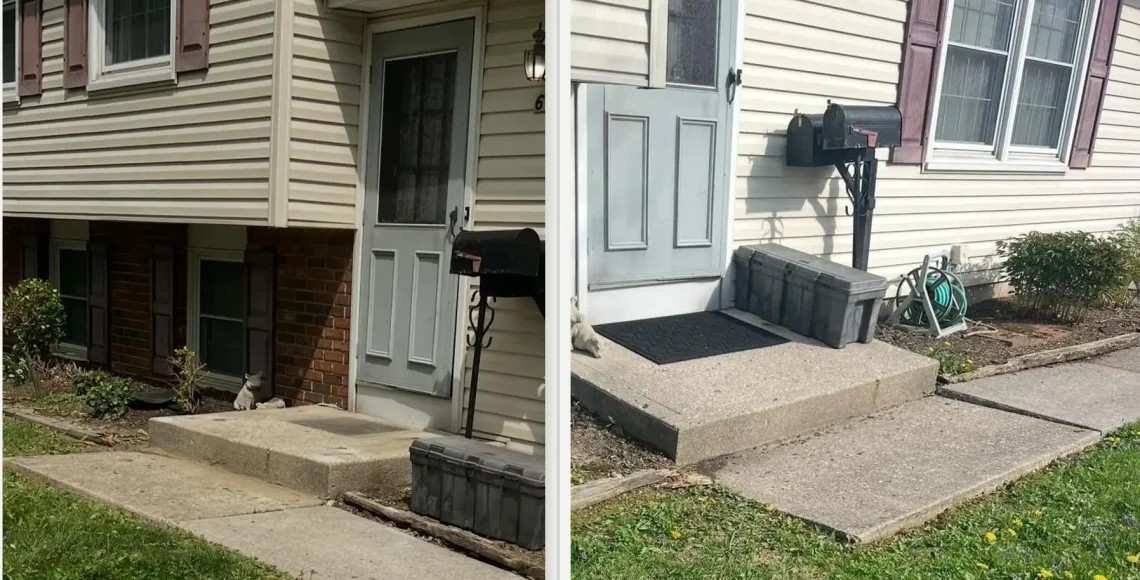
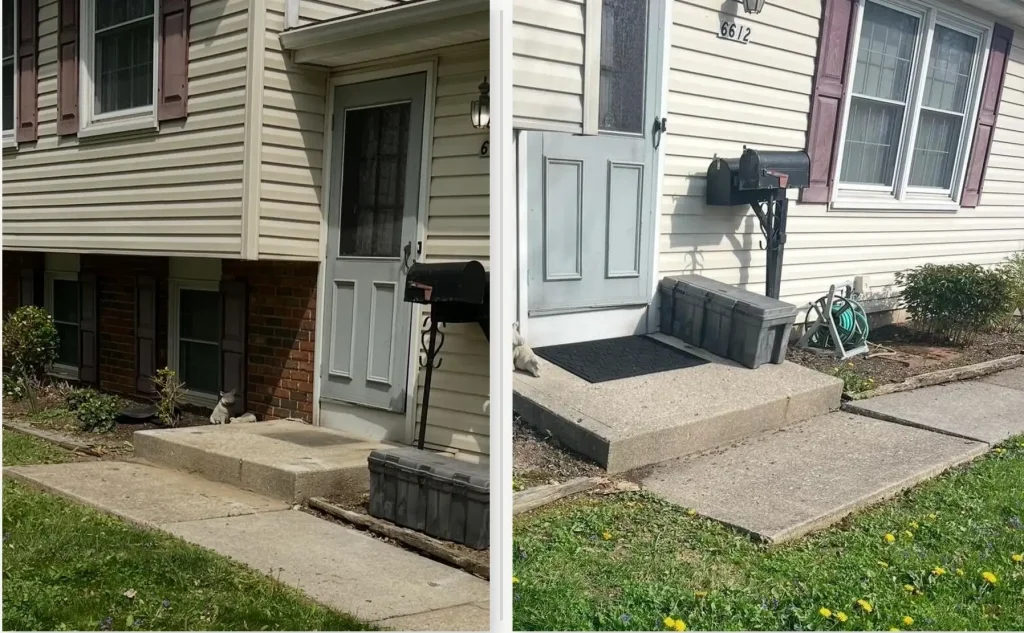
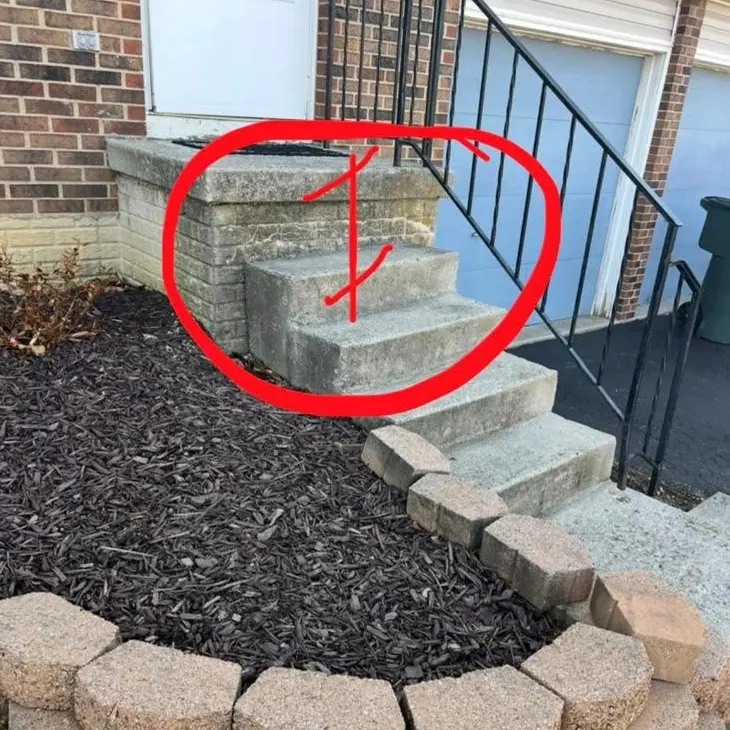
If you’ve started noticing uneven or sinking steps leading to your Columbus home, you’re not alone. Across Central Ohio, sinking steps Columbus issues are becoming one of the most common homeowner complaints. What begins as a tiny tilt or small crack in your concrete can quickly grow into a serious structural and safety problem.

This isn’t just about looks — it’s about stability, safety, and long-term home value. Beneath your walkway or porch, Ohio’s shifting clay soils and unpredictable moisture cycles are silently moving. Over time, they create hollow pockets under your concrete, causing it to settle unevenly.

Fixing Sinking Walkways and Entry Steps in Columbus Homes

Fortunately, today’s technology has transformed how homeowners handle this. Instead of replacing your entire concrete walkway or entry steps, modern walkway leveling in Ohio now uses advanced polyurethane foam injection to lift, level, and permanently stabilize your concrete.


Why Walkways and Steps Sink Around Columbus

Understanding why this happens is the first step toward solving it for good.

1. Ohio’s Expansive Clay Soil

The Columbus area is built on clay-heavy soil that expands when wet and contracts when dry. During rainy months, the ground swells; during dry spells, it shrinks. This constant movement pulls concrete slabs downward and causes gaps to form underneath.

2. Poor Drainage Around Entryways

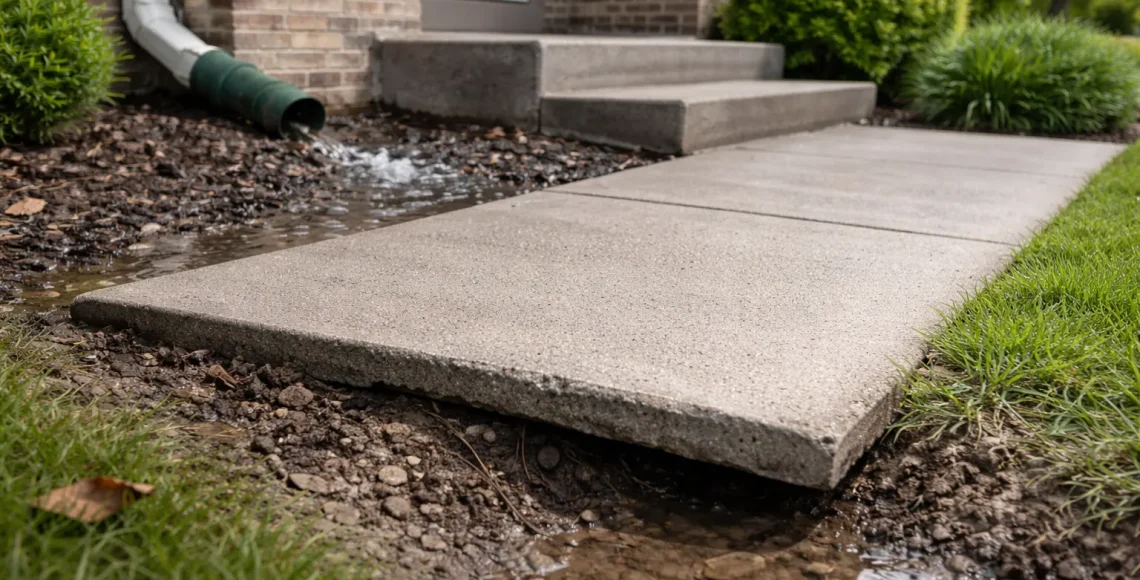
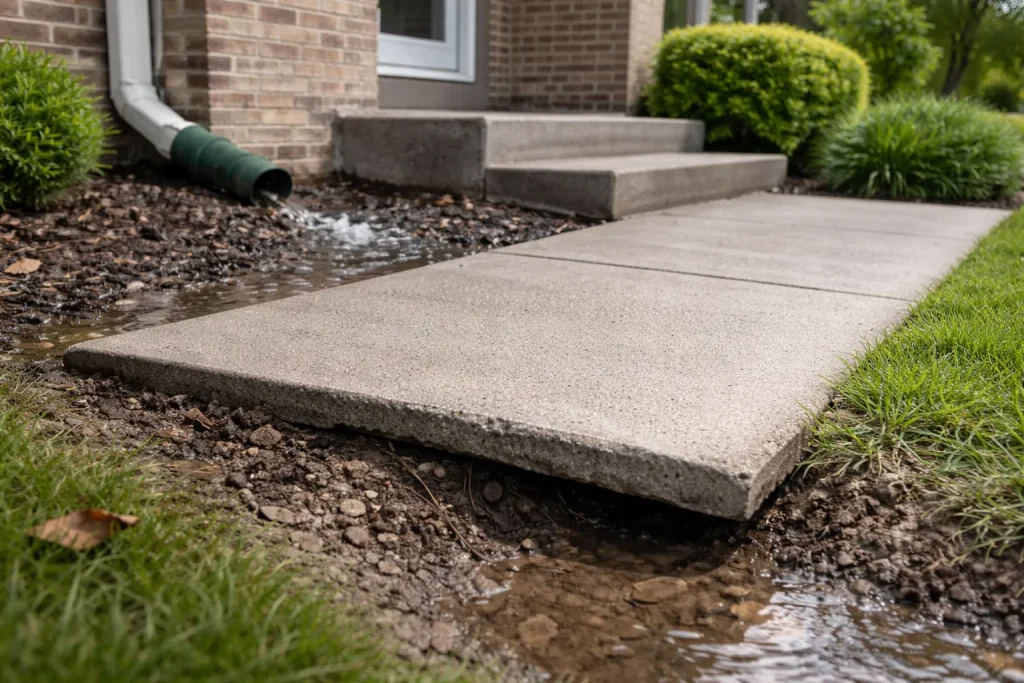
When gutters or downspouts release water near your front steps, the soil underneath can slowly erode. Even small drainage issues can wash away fine soil particles over the years, eventually causing sinking steps in Columbus homes.

3. Freeze-Thaw Cycles

Ohio winters are brutal on concrete. Water seeps into small cracks, freezes, and expands — pushing the slabs upward. When it thaws, the soil settles differently, creating unevenness. These seasonal cycles repeat every year, deepening the damage.

4. Construction Backfill Issues

During home construction, the soil around porches and walkways is often backfilled and not compacted properly. That loose soil compresses over time under the concrete’s weight, leaving a void that causes your steps to sink.


The Hidden Dangers of Sinking Steps

Uneven steps aren’t just unattractive — they’re potentially dangerous and can cost you much more if ignored.

  • Trip Hazards: One of the most common homeowner liabilities comes from guests tripping on uneven concrete.
  • Water Damage: Sunken walkways can redirect rainwater toward your foundation, causing leaks and basement moisture.
  • Structural Strain: When concrete pulls away from your home’s foundation, it can widen cracks and destabilize the entry structure.
  • Reduced Curb Appeal: The front steps set the tone for your home. Tilted or cracked concrete instantly reduces perceived value.

Addressing sinking steps Columbus problems early is not only safer but also more cost-effective than waiting until full replacement is necessary.


The Modern Fix: Polyurethane Foam Leveling

Gone are the days when the only solution was jackhammering and repouring your concrete. The modern approach — polyurethane foam leveling — restores your steps and walkways with precision and permanence.

Here’s how this state-of-the-art method works:

Step 1: Site Evaluation

A technician inspects your steps and walkway to identify voids, slopes, and structural weaknesses.

Step 2: Small Injection Holes

Tiny holes, about the size of a dime, are drilled strategically in your concrete. These are the access points for the foam injection.

Step 3: Foam Injection and Lift

A two-part polyurethane foam is injected underneath the slab. As it expands, it fills all voids and gently lifts the concrete back into position.

Step 4: Surface Sealing and Cleanup

Once the lift is complete, the holes are sealed, and the surface is cleaned. The area is ready for normal use within hours.

This process is quick, precise, and non-invasive — perfect for busy Columbus homeowners who don’t want a messy construction project in front of their house.


Why Columbus Homeowners Prefer Polyurethane Foam

Fast Results

Most projects are completed in just one visit — often under two hours.

💪 Permanent Stabilization

The foam doesn’t break down or wash away, even in Ohio’s wet climate. Once installed, it supports your steps for decades.

💧 Waterproof Solution

Because the foam is waterproof, it prevents future erosion — a major advantage in rainy seasons when sinking steps Columbus problems typically worsen.

🌱 Eco-Friendly Material

Modern polyurethane foams are environmentally safe, with minimal chemical impact and no harmful runoff.

🧭 Precision Control

Technicians can raise concrete fractions of an inch at a time, ensuring the perfect level and slope for water drainage.


The Science Behind the Solution

The real power of polyurethane lies in its engineering. When injected, the two foam components chemically react to form millions of closed-cell bubbles that expand evenly. Each cell traps air, creating a lightweight but incredibly strong structure.

These closed-cell foams resist moisture, chemicals, and decomposition — making them ideal for walkway leveling in Ohio, where soil conditions can shift rapidly.

The foam’s compressive strength can exceed 1,714 PSI, meaning it can support even heavy concrete steps or vehicle loads without deformation.


How Weather Impacts Sinking Steps in Columbus

To understand the importance of acting quickly, consider Columbus’s weather patterns:

  • Spring: Heavy rain saturates soil, causing erosion under steps.
  • Summer: Dry heat causes the soil to shrink, increasing voids.
  • Fall: Alternating wet and dry conditions create stress fractures.
  • Winter: Freeze-thaw cycles expand existing cracks and lift slabs unevenly.

This constant movement is why sinking steps Columbus cases tend to worsen every year. The earlier you intervene, the less lifting and repair are needed.


Case Example: Real Columbus Success Story

A senior couple in Columbus contacted us about their uneven front walkway that had become a serious trip hazard. The husband was concerned about repair costs, and his wife shared that she’d fallen twice before on similar uneven concrete, once requiring stitches. Realizing this was about safety, not just appearance, we provided our polyurethane concrete leveling service at no cost. The walkway was restored, hazards removed, and they could finally walk safely to their door again — their relief said it all.


How to Prevent Future Sinking

After repairing your steps, follow these simple maintenance habits to keep them stable:

  1. Improve Drainage: Extend downspouts and regrade soil so water flows away from the house.
  2. Seal Cracks Regularly: Prevent moisture from entering and freezing under the surface.
  3. Monitor Seasonal Shifts: Check alignment every spring and fall for early signs of settling.
  4. Protect the Soil Base: Avoid planting large shrubs directly beside steps or walkways, as roots can displace the soil.

Small preventive actions go a long way in maintaining your newly leveled concrete.


How to Choose the Right Contractor in Columbus

When searching online for sinking steps Columbus, you’ll find plenty of repair services — but not all use the same materials or methods. Look for:

  • Certified installers who specialize in polyurethane foam leveling
  • Local experience with Ohio soil and weather patterns
  • Transparent, written estimates
  • Warrantied results for long-term peace of mind

Choosing a local expert ensures your repair lasts — and that it’s tailored to Columbus’s unique environmental conditions.


Why Acting Fast Saves You More

Waiting to repair sinking steps only gives nature more time to cause damage. Each freeze-thaw season can deepen voids, widen cracks, and increase repair costs by 20–30%.

The earlier you schedule walkway leveling in Ohio, the simpler (and cheaper) the fix will be. Plus, you immediately eliminate trip hazards and restore your home’s curb appeal.

Think of it as preventive care for your property — a quick, professional solution today can save you thousands tomorrow.


Sustainable Concrete Repair for the Future

As homeowners grow more environmentally conscious, polyurethane foam leveling has become the preferred eco-friendly choice for concrete repair.

It:

  • Reuses existing materials rather than adding new concrete waste to landfills.
  • Reduces carbon emissions from manufacturing new cement.
  • Protects soil and groundwater by preventing erosion.

In other words, fixing sinking steps Columbus the modern way isn’t just smart — it’s sustainable.


Conclusion: Restore Safety, Beauty, and Peace of Mind

Your home’s entryway should feel stable, safe, and welcoming — not uneven or unsafe. If you’re seeing gaps, cracks, or tilting steps, don’t ignore them.

Modern polyurethane technology offers Columbus homeowners a long-lasting, efficient, and eco-conscious way to restore concrete. It’s faster, cleaner, and more durable than replacement — and the results speak for themselves.

Top Level Ohio’s a trusted local specialist in sinking steps Columbus repair.

👉 Call 614-305-1050 to schedule your free inspection and protect your home’s entrance.

How to Protect Your Concrete Before Winter in Columbus Ohio

How to Protect Your Concrete Before Winter in Columbus Ohio

Introduction

Columbus homeowners face unique challenges with soil movement due to seasonal temperature changes. Understanding these shifts is essential for maintaining durable concrete surfaces like driveways, sidewalks, and foundations. Proactive strategies and timely repairs are key to effective seasonal concrete protection and avoiding costly winter concrete repair.

How to Protect Your Concrete Before Winter in Columbus Ohio

What Causes Soil Movement in Columbus?

Freeze-Thaw Cycles

Columbus experiences frequent freeze-thaw cycles during winter. Soil expands when frozen and contracts when thawed, leading to cracks, uneven slabs, and other damage. Clay-heavy soils are particularly susceptible to swelling and shrinking.

Water Accumulation and Drainage Issues

Poor drainage around your property can lead to water pooling near concrete slabs, which accelerates soil movement Columbus and can cause slab settling.

Tree Roots and Landscaping

Tree roots growing under concrete or uneven landscaping can exert pressure on slabs, leading to cracks and displacement.

Improper Soil Compaction

If the soil wasn’t properly compacted during construction, seasonal shifts can quickly damage concrete surfaces.


Signs Your Concrete Needs Winter Protection

Cracks in Sidewalks and Driveways

Small cracks may seem harmless but can widen with repeated freeze-thaw cycles.

Uneven or Sunken Concrete

Sunken areas indicate soil settling and require prompt attention.

Gaps Near Expansion Joints

Erosion or soil shrinkage can create gaps, trapping water and causing further damage.

Water Pooling Around Slabs

Standing water accelerates concrete deterioration and increases the risk of winter concrete repair.


Proactive Winter Concrete Protection Tips

Improve Drainage Around Concrete

Redirect water away from your driveway and foundation to minimize soil movement Columbus.

Seal Cracks Before Winter

Use polyurethane or epoxy to fill cracks and prevent water infiltration, reducing freeze-thaw damage.

Hire Professional Concrete Leveling Services

Polyurethane foam injection lifts sunken slabs and stabilizes soil for long-lasting seasonal concrete protection.

Install Proper Expansion Joints

Expansion joints help absorb soil pressure and prevent random cracking.

Conduct Regular Maintenance Checks

Inspect concrete surfaces at least once per season to catch early signs of damage.


When to Call Professionals for Winter Concrete Repair

Wide Cracks or Sunken Slabs

If cracks are larger than 1/4 inch or slabs are uneven, it’s time for professional intervention.

Severe Water Pooling or Erosion

Persistent water issues under concrete can worsen soil movement Columbus and require expert solutions.

Professional Solutions Include:

  • Polyurethane foam injection to lift settled slabs
  • Filling deep cracks effectively
  • Soil stabilization to prevent future movement

Benefits of Early Action

Taking proactive steps before winter can:

  • Extend the lifespan of driveways, sidewalks, and foundations
  • Reduce expensive spring repairs
  • Improve home safety and curb appeal
  • Minimize the impact of seasonal soil shifts

Conclusion

Understanding soil movement Columbus and taking proactive measures ensures your concrete surfaces stay durable and safe. By implementing seasonal concrete protection strategies, performing regular inspections, and seeking winter concrete repair when needed, homeowners can prevent costly damage and maintain long-term property value.

Don’t wait until the first freeze.
Get your concrete winter-ready today with Top Level Ohio’s professional foam leveling services.

👉 Call 614-305-1050 to schedule your free inspection and protect your home before winter arrives.

Polyurethane Foam Concrete Repair in Ohio | Top Level Ohio TerraThane™ 24-010

Polyurethane Foam Concrete Repair in Ohio | Top Level Ohio TerraThane™ 24-010

Concrete is the backbone of Ohio homes and commercial properties—sidewalks, driveways, garages, and patios all rely on it for durability and safety. Over time, concrete can sink, crack, or become uneven due to soil settling, water damage, or heavy loads. Traditional repair methods often fall short in providing long-term solutions.

Top Level Ohio uses TerraThane™ 24-010, a high-performance polyurethane foam, to deliver precise, durable, and environmentally friendly concrete lifting and stabilization solutions. Here’s why this modern material has become the trusted choice for property owners across Ohio.

Polyurethane Foam Concrete Repair in Ohio | Top Level Ohio TerraThane™ 24-010

1. What is TerraThane™ 24-010?

TerraThane™ 24-010 is a water-blown, PMDI-based geotechnical polyurethane foam designed specifically for concrete lifting and structural leveling. Its unique formulation makes it ideal for residential and commercial projects.

Key highlights:

  • Structural Lifting & Leveling: Provides reliable support for slabs, sidewalks, driveways, and foundations.
  • NSF Certified: Meets NSF/ANSI 61 Section 5 – 2017 standards, ensuring safe use around potable water.

2. Key Characteristics of TerraThane™ 24-010

Top Level Ohio selects TerraThane™ 24-010 because of its high-performance characteristics, ensuring both precision and longevity in concrete repair projects.

Fast Expansion:

  • Cream time: 1 second
  • Rise time: ~17 seconds

High Strength:

  • Compressive Strength: up to 1,714 psi
  • Tensile Strength: 96 psi
  • Shear Strength: 38.7 psi
  • Flexural Strength: 57.8 psi

Durability:

  • Closed-cell content: >90%
  • Water absorption: <0.08 lbs/ft²

Temperature Resistance:

  • Service temperature up to 180°F

These properties make it lightweight yet incredibly strong, providing long-lasting support without adding excessive load to existing structures.


3. Applications in Ohio

TerraThane™ 24-010 is versatile and can be applied to a variety of concrete repair and stabilization projects:

  • Sidewalk Lifting and Leveling: Eliminates trip hazards and restores smooth surfaces.
  • Driveway Stabilization and Repair: Prevents uneven slabs and improves durability.
  • Concrete Slab Lifting for Garages and Patios: Corrects sunken areas without full replacement.
  • Foundation Stabilization: Provides structural support for both residential and commercial properties.

4. Why Top Level Ohio Chooses TerraThane™ 24-010

Precision: Foam expansion is predictable, allowing controlled lifting and leveling.
Strength: Provides long-term structural support for concrete surfaces.
Minimal Disruption: Quick cure times mean sidewalks, driveways, and patios can be used the same day.
Environmentally Friendly: Water-blown formulation and NSF certification ensure safe, eco-conscious use.


5. Work Process at Top Level Ohio

Top Level Ohio’s polyurethane foam injection process involves the following steps:

  1. Drilling & Injection: Small holes (5/8″) are drilled into the concrete, and a two-part liquid polyurethane is injected.
  2. Foam Expansion: The liquid reacts and expands, filling voids and compacting the soil underneath the slab.
  3. Controlled Lift: As the foam continues to expand, it lifts the concrete slab with precision (within 1/8 inch), restoring it to its proper level.
  4. Quick Cure: The foam hardens in about 15 minutes, providing immediate, long-lasting structural support.
  5. Clean Finish: The holes are patched, leaving a minimal, clean, and ready-to-use surface.

Conclusion

Top Level Ohio combines cutting-edge materials like TerraThane™ 24-010 with proven expertise to deliver durable, cost-effective concrete lifting and stabilization solutions.

Whether it’s a sinking driveway, uneven sidewalk, or foundation concern, TerraThane™ 24-010 ensures fast, precise, and long-lasting results.

👉 Call 614-305-1050 today for a free consultation and restore your concrete with confidence.


We're Now Open! Call Us For A Free Quote

X